Dove vs Pigeon: How to Tell Them Apart (Singapore)
Doves and pigeons are close relatives and easy to mix up, but knowing the dove vs pigeon difference matters when birds keep landing on your ledge. The species you’re dealing with affects how persistent the problem is and which deterrents make sense. This guide breaks down how to tell them apart in Singapore and what it means for keeping your home bird-free.
Are doves and pigeons the same?
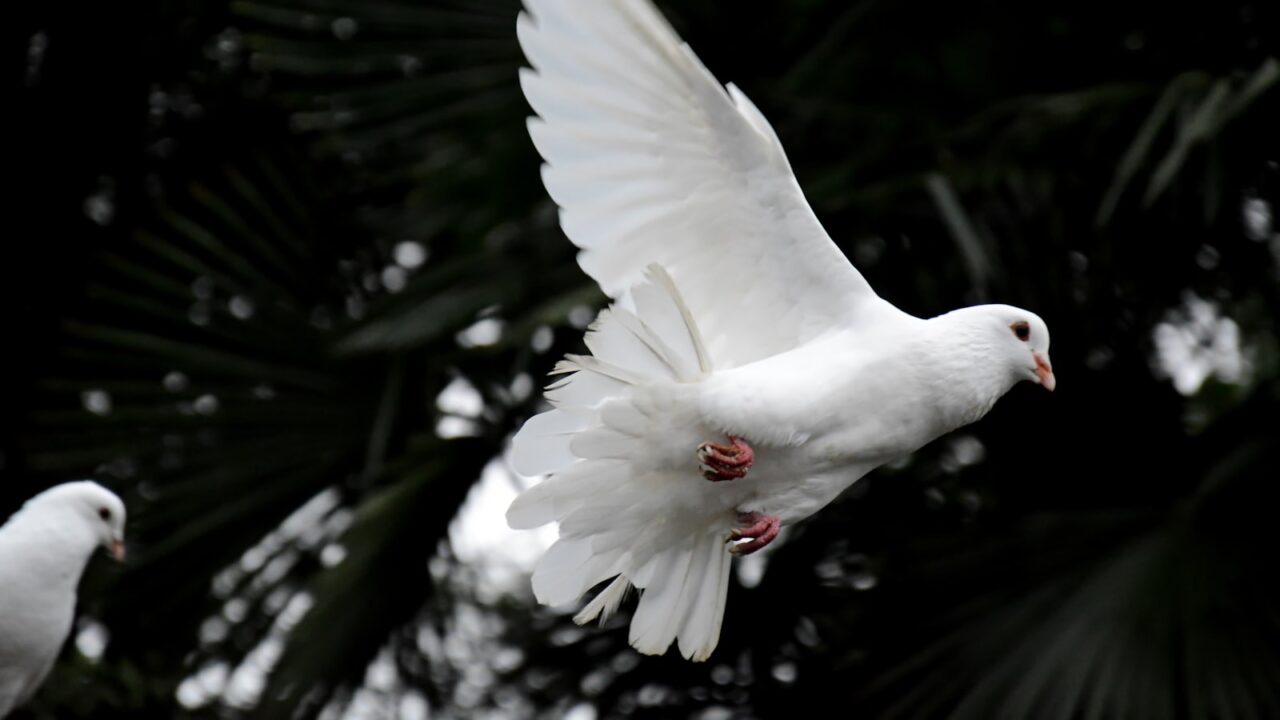
Biologically, doves and pigeons belong to the same bird family, and there’s no strict scientific line between them. In everyday use, “pigeon” usually refers to the larger, stockier feral pigeon (rock pigeon), while “dove” tends to mean the smaller, slimmer species.
In Singapore, the bird most people call a pest pigeon is the feral/rock pigeon, while common doves include the spotted dove and the small zebra dove (peaceful dove).
Dove vs pigeon: key differences
Here’s a quick comparison of what you’ll typically see around Singapore homes:
| Feature | Pigeon (feral/rock) | Dove (spotted/zebra) |
|---|---|---|
| Size | Larger, stockier | Smaller, slimmer |
| Colour | Grey, often with iridescent neck | Brownish; spotted or barred markings |
| Tail | Shorter, fan-like | Longer, more tapered |
| Flock behaviour | Large flocks, bold around people | Smaller groups or pairs |
| Sound | Deep cooing | Softer, gentler cooing |
| Where seen | Ledges, void decks, building gaps | Gardens, ground, open areas |
The spotted dove has a distinctive spotted patch on the neck, while the zebra dove is small with fine barring on the chest — both look daintier than a chunky grey pigeon.
Behaviour: why it matters
The practical difference is in behaviour:
- Pigeons form large flocks, roost and nest readily on building ledges, and quickly get comfortable around people — especially where food is available. They’re the species most likely to cause droppings build-up and persistent roosting on HDB and condo ledges.
- Doves are usually present in smaller numbers, spend more time foraging on the ground, and are generally less inclined to set up large roosts on a building.
So if you have a noisy, growing flock fouling your ledge, it’s most likely pigeons — and that calls for firmer deterrence. A few doves passing through your garden are usually a minor matter.
What it means for deterrence
Identifying the bird helps you respond proportionately:
- For pigeons establishing roosts: physical deterrents like spikes on ledges or netting across recesses are the reliable answer. Removing food and nesting opportunities is essential. See our guide to getting rid of pigeons in Singapore.
- For occasional doves: removing attractants and discouraging perching usually suffices; full bird-proofing is rarely needed unless they start nesting.
Whichever species it is, the foundations are the same: never feed them, secure food waste, and remove easy perching and nesting spots early before a roost forms.
Keeping it humane and legal
Both doves and pigeons should be deterred, not harmed. Blunt spikes and properly fitted netting exclude birds without injuring them, and you should never disturb a nest with eggs or chicks. For a fuller, humane approach across HDB flats and condos, see our guide to bird control for HDB and condos.
When to call a professional
You can manage occasional birds yourself, but professional bird-proofing helps when:
- A pigeon flock has established a roost that keeps returning.
- The area is high up or hard to reach safely.
- You need netting or spikes fitted neatly with no gaps.
Professionals identify the species, find the roosting points, and install lasting deterrents.
Why pigeons settle and doves usually don’t
The reason pigeons become a household problem so much more often comes down to a few habits:
- They nest on buildings. Pigeons readily build flimsy nests on ledges, in recesses and behind aircon units, returning to the same spot repeatedly.
- They tolerate people. Pigeons quickly lose their wariness around humans, especially where food is offered, so they linger and grow bolder.
- They flock. A handful of pigeons can become a sizeable roost, and droppings build up fast.
Doves, by contrast, tend to forage on the ground in open areas, stay in smaller numbers, and are less inclined to colonise a building face. That difference is why a growing, messy roost on your ledge almost always means pigeons rather than doves.
A quick checklist
When you spot a bird on your ledge, ask:
- Is it chunky and grey, or slim and brown with markings?
- Is it alone or in a pair, or part of a growing flock?
- Is it just passing through, or is it nesting and roosting?
A growing grey flock that’s nesting is your cue to act with proper deterrents; a passing brown dove usually needs nothing more than removing attractants.
What about other birds you might see?
Pigeons and doves aren’t the only birds that land on Singapore ledges, and mistaking one for another can send you down the wrong path. Mynas are brown with a bright yellow eye-patch and beak, walk confidently on the ground, and are noisy and bold; crows are larger and all-black. Neither is a pigeon, and the deterrents that suit them can differ. If your “ledge bird” is actually a myna or crow raiding bins and making noise, that’s a separate problem — see our guide to getting rid of mynas and crows. When in doubt, note the size, colour and behaviour before deciding how to respond, because the right deterrent depends on correctly identifying the bird.
Why feeding is the real driver
Whichever species you’re dealing with, the single biggest factor in whether birds settle is food. A regular food source — deliberate feeding, spilled kitchen scraps, unsecured bins or pet food left outdoors — turns an occasional visitor into a resident flock. Pigeons in particular lose their wariness fast where food is reliable, and a fed flock grows and fouls ledges quickly. Removing attractants is always the first and cheapest step: secure food waste, clean up spills, and never feed the birds. No spike or net works as well on its own as it does once the food source is gone.
Frequently asked questions
Is it a dove or a pigeon on my ledge?
Are doves less of a problem than pigeons?
Do I need different deterrents for doves and pigeons?
Should I remove a nest?
Related guides
- How to get rid of pigeons in Singapore
- Bird spikes vs netting
- Bird control for HDB and condos
- How to stop birds nesting on aircon ledge
- How to get rid of mynas and crows
*Not sure if it’s doves or pigeons — and how to keep them off? Get a free bird-proofing quote from Insect Out.*