
Mosquito Control Singapore
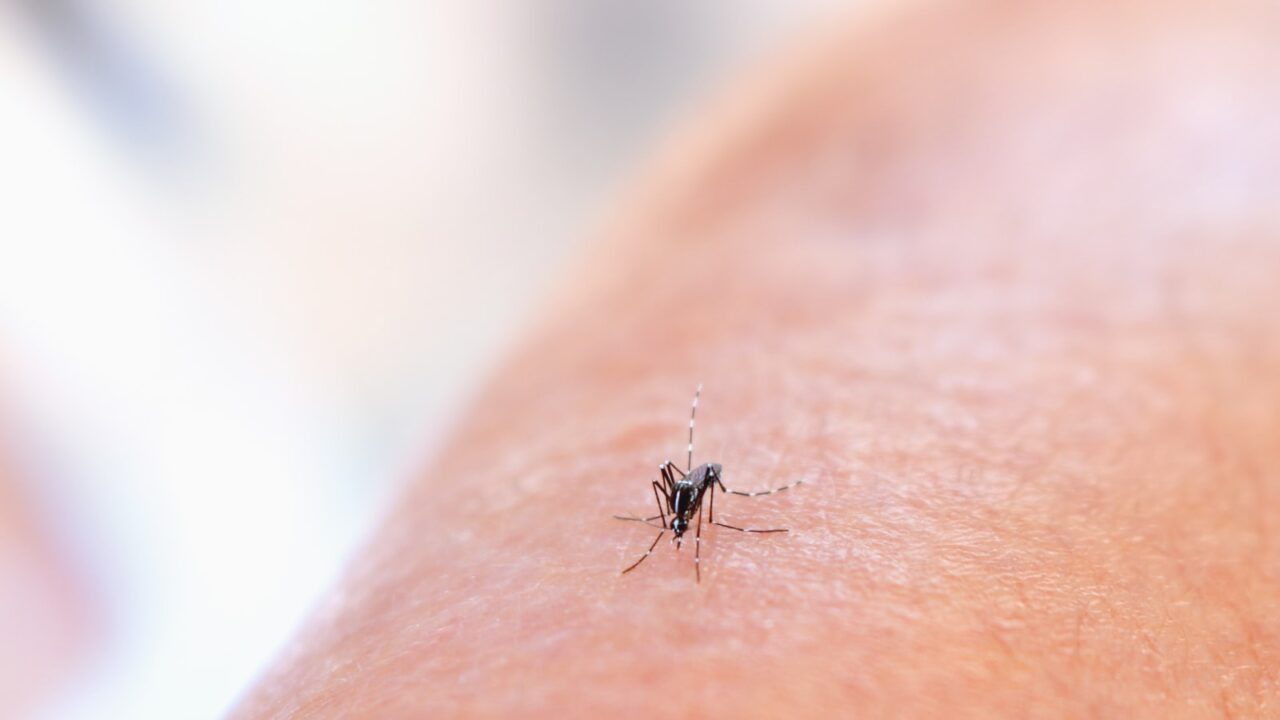
Mosquitoes are far more than a nuisance in Singapore — they spread dengue, Zika and chikungunya, and our warm, wet climate lets them breed year-round. The *Aedes aegypti* mosquito behind dengue is a daytime biter that breeds in surprisingly small amounts of clean, stagnant water: a plant-pot saucer, a clogged gutter, a forgotten pail or a bottle cap is enough. Because they breed so close to where people live, effective mosquito control is never about a single spray — it combines removing breeding sites, treating the areas where mosquitoes rest, and physically stopping them getting indoors. That layered approach is what actually brings the bites down and keeps your household safe.
Why mosquitoes are a serious problem here
Singapore sees regular dengue clusters, and the number of cases climbs sharply in the warmer, wetter months when breeding accelerates. The *Aedes* mosquito only needs a week or so to go from egg to biting adult, and it rarely flies far — meaning the mosquitoes biting you are almost always breeding within your own home or your immediate neighbourhood. That’s good news, because it means clearing nearby breeding sites has a real, immediate effect. Our guides to mosquito season in Singapore and the types of mosquitoes in Singapore explain the patterns and the species involved.
A complete approach
- Source reduction — we find and clear the stagnant-water breeding spots around your home: saucers, gutters, scupper drains, water features, bin lids and any container that collects rainwater. This is the single most important step, because no amount of fogging works if mosquitoes keep breeding on site. See how to find mosquito breeding spots at home.
- Treatment and fogging — targeted application to the shaded, humid areas where adult mosquitoes rest, plus fogging for fast knockdown when numbers are high or before an event. Larviciding treats water that can’t be drained.
- Exclusion — insect mesh screens on windows and doors keep mosquitoes out while letting you keep windows open for ventilation — the long-term protection that fogging alone can’t provide.
Why fogging alone isn’t enough
Fogging knocks down the adult mosquitoes that are flying *right now*, and it’s valuable before events or during a cluster. But it doesn’t last: it has no lasting effect on eggs and larvae, and new mosquitoes emerge or fly in within days. That’s why we pair it with source reduction (to stop new mosquitoes being produced) and screening (to stop them coming indoors). Relying on fogging by itself is the most common reason people feel their mosquito problem never really goes away.
Protect your household
Dengue clusters flare up across the island, and households near drains, greenery and water features feel it most. A combined treatment-and-screening approach gives you the best protection — cut the breeding, knock down the adults, and seal your home so they can’t get in. For prevention you can do yourself, see how to prevent mosquito breeding, mosquito-proofing your home against Zika and keeping mosquitoes out of HDB flats.
HDB, condo and landed: what differs
In HDB flats and condos, breeding sites are often in shared corridors, scupper drains, plant pots on the ledge and roof gutters, and mosquitoes drift in through open windows — so window and door screens make a huge difference. In landed homes, gardens, drains, ponds and water features are the main breeding grounds, so source reduction and treatment of resting areas around the perimeter matter most. We assess your specific layout and target the actual sources.
Common breeding spots to check today
Most home mosquito problems trace back to a handful of overlooked containers. Walk your home and clear or empty these weekly:
- Plant-pot saucers and trays — the single most common *Aedes* breeding site in Singapore homes.
- Roof gutters and scupper drains that hold water after rain.
- Pails, buckets, watering cans and unused containers left outdoors or on the service balcony.
- Vases, water features, pet bowls and bamboo-pole holders — change or scrub them regularly.
- Hardened ground, tray bases and drip trays under air-con units where water pools.
- Discarded items — bottle caps, tins, cups and packaging that collect even a teaspoon of rainwater.
Tipping out and scrubbing these surfaces (eggs stick to the sides) breaks the breeding cycle far more effectively than any spray. The “do the Mozzie Wipeout” routine — turn the pail, tip the vase, loosen hardened soil, clear the roof gutter, change the water — only takes a few minutes and dramatically cuts the mosquitoes around your home.
Reduce bites while you wait
Alongside professional control, simple measures cut bites in the meantime:
- Empty and scrub anything that holds water at least weekly, and cover or remove containers.
- Use repellents — see the best mosquito repellent in Singapore and mosquito repellent plants that work.
- Screen windows and use a mosquito net for beds and cots, especially for babies and young children.
- Read how to get rid of mosquitoes for a full DIY checklist.
Frequently asked questions
Where are the mosquitoes breeding if I can’t see them?
How long does mosquito control last?
Is fogging safe around children and pets?
Why do mosquitoes seem to bite me more than others?
Related guides
- How to get rid of mosquitoes
- How to prevent mosquito breeding
- Mosquito season in Singapore
- Say no to Zika: mosquito-proof your home
- Keep mosquitoes out of HDB windows
*Tell us about your mosquito problem below for a free quote and assessment.*
Ready to keep the bugs out?
Get a free, no-obligation quote tailored to your windows.
Get a free quote
Tell us about your windows and we’ll connect you with a trusted installer.