How to Keep Mosquitoes Out While Keeping HDB Windows Open
Cross-ventilation is one of the best things about an HDB flat — that through-breeze from the living room to the kitchen window keeps the whole place cool without the air-con running. Then dusk arrives, the mosquitoes drift in, and the windows have to close. It’s a frustrating trade-off, and one that a lot of Singapore households simply put up with. You don’t have to. The aim of this guide is simple: to show you how to keep mosquitoes out of your HDB flat while keeping the windows open, day and night, all year round — without drilling, breaking tenancy rules or running a fan-heater of repellent.
Why HDB flats get mosquitoes
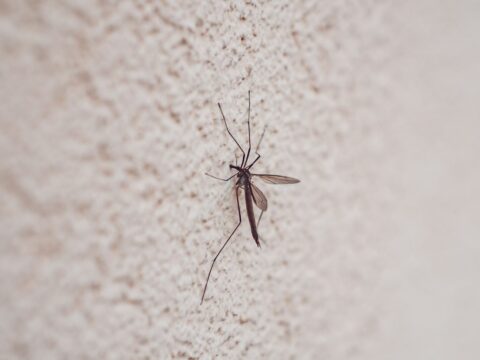
A flat is unusually exposed to mosquitoes for a few reasons. The corridors and common areas funnel them toward your front of the home, nearby drains, planters and bin areas give them places to breed, and warm, still evenings draw them indoors toward light and the carbon dioxide we breathe out. Once inside, a single *Aedes* mosquito needs only a tiny pool of stagnant water — a flowerpot saucer, a forgotten pail, a clogged gutter — to lay eggs and start the cycle again. Understanding the mosquito season in Singapore helps explain why some weeks feel so much worse than others, and our guide to types of mosquitoes in Singapore covers which species are the real biters. The *Aedes* mosquito matters most because it spreads dengue, which is why keeping it out of the home is more than a comfort issue.
The no-drill solution
For HDB residents, the catch with most permanent insect-proofing is that you can’t drill into the window frame — it breaches HDB rules and, for renters, the tenancy agreement. A magnetic insect screen with a self-adhesive PVC border sidesteps that entirely:
- No drilling. Nothing is bored into your window frame; the border sticks to the surround and the mesh frame snaps onto it magnetically.
- Removable. Take it down cleanly when you move out, or lift it off to wash and refit in seconds.
- Full airflow. The fine mesh barely affects the breeze, so you keep the cross-ventilation that makes a flat liveable.
Most HDB casement and top-hung windows take a DIY kit you can fit in minutes with no tools — our dedicated HDB insect screens page walks through the specifics for flats. For sliding doors out to the service yard or balcony, where the opening is larger and gets daily traffic, consider a sliding-door screen or a professionally installed panel. If you’re unsure your windows will suit a screen, the sizing guide helps you check before you order.
Why screens beat sprays and plug-ins
It’s worth being honest about the alternatives, because most of us have a drawer full of them. Aerosol sprays clear a room for an evening but do nothing about the next mosquito that flies in. Plug-in vaporisers and mosquito coils work to a degree but mean breathing insecticide in an enclosed space, which not everyone wants around children. Repellents on skin protect you but not the rest of the household, and they wear off. None of these closes the actual entry point. A screen is different in kind: it’s a physical barrier that works around the clock, with nothing to inhale, nothing to reapply and nothing to switch on. For a fuller comparison of the gadgets on the market, see our roundup of the best mosquito killer devices in Singapore — useful as a supplement, but a barrier comes first.
Pair it with good habits
Screens keep mosquitoes out; stopping them breeding in the first place keeps the numbers down across your whole block. The two work best together. Do the weekly five-step routine to prevent mosquito breeding — turning over pails, changing water in vases, clearing gutters and removing anything that collects rainwater — and learn how to find mosquito breeding spots at home so nothing slips through. Our wider guide to mosquito-proofing, say no to Zika, ties the breeding control and the screening together. With both in place, you can keep every window open, all evening, all year.
Fitting it to a typical HDB window
The reason this works so well in flats is that the system is designed around standard HDB window types. A casement window that swings open takes a magnetic panel sized to the frame, which you simply lift away when you want the glass clear. A top-hung window works the same way, with the mesh covering the opening below the tilted pane. The self-adhesive border goes onto the surround — not the moving glass — so the window still opens and closes normally behind the screen. The two things that decide whether it performs are a clean, dry surface for the border to grip (wipe down the frame first), and a panel cut so the magnets meet fully at the corners with no slivers. Get those right and the screen is effectively invisible from across the room while doing its job every minute of the day. If your windows are an awkward shape or unusually large, send us the measurements and we’ll tell you whether a DIY kit suits or a custom panel is better.
Frequently asked questions
Will a magnetic screen really stop mosquitoes?
Is it allowed in an HDB flat or a rental?
Does the mesh block the breeze?
What about the kitchen and service-yard doors?
Related guides
- HDB insect screens
- How to prevent mosquito breeding
- How to find mosquito breeding spots at home
- Say no to Zika: mosquito-proof your home
- Mosquito season in Singapore
*Want the right screen for your HDB windows? Get a free recommendation and keep the breeze without the bites.*