Keeping Kitty Safe: How to Cat-Proof Your Windows in Singapore
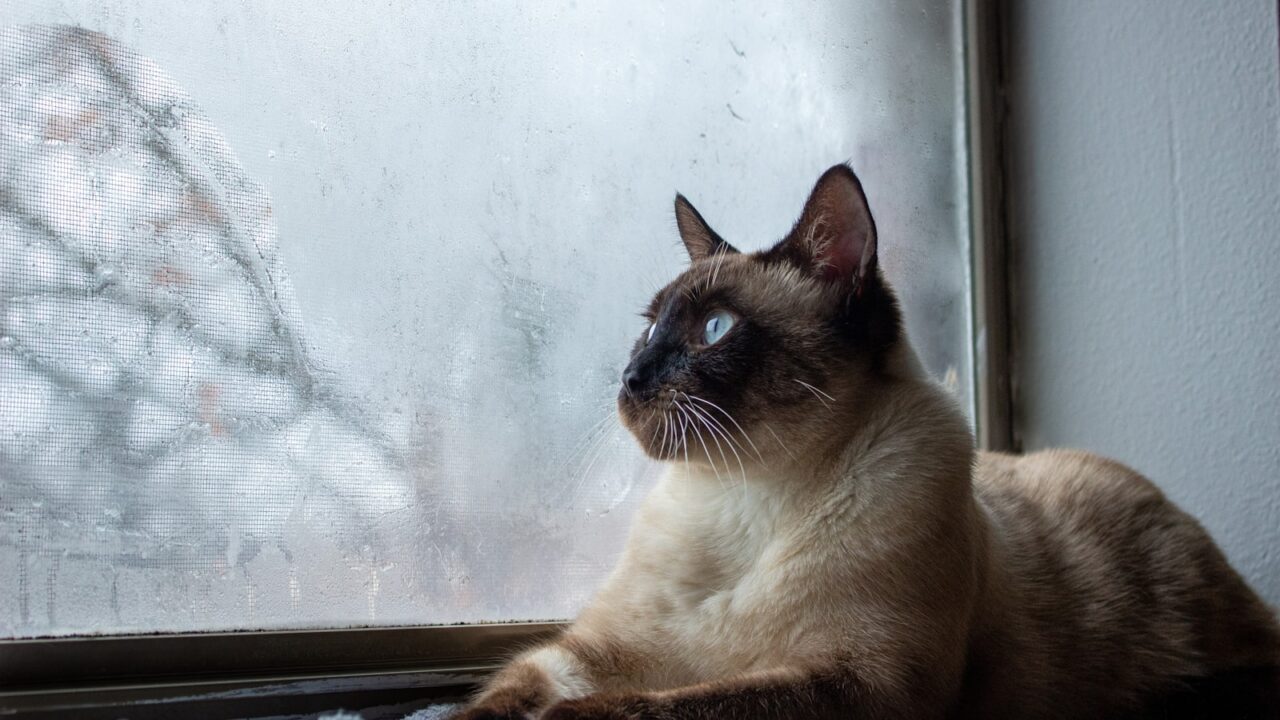
If you share your HDB flat or condo with a cat, open windows are a daily, low-level worry. Cats are curious, agile and surprisingly good at squeezing through gaps that look far too small for them — and high-rise falls, sometimes called “high-rise syndrome”, send pets to the vet every year in Singapore. The instinct is to keep the windows shut, but that means a stuffy home with no cross-breeze in a tropical climate. The good news is you don’t have to choose: with the right barrier you can keep windows open for fresh air *and* keep your cat safely indoors. This guide explains why cats slip out, what actually works to cat-proof your windows in Singapore, and how to choose a screen that suits your home and your cat.
Why cats slip out
It helps to understand the behaviour you’re guarding against. Cats chase birds, geckos and insects right up to the window, they love to nap on a sunny ledge, and they will test any opening they can fit their head through — if the head fits, the body usually follows. The problem is that most standard openings aren’t designed with cats in mind:
- Window grilles have bar spacing wide enough for a determined cat to push through, especially a slim or young one.
- Louvre and casement windows often have no barrier at all once they’re open.
- Balconies and parapets give a confident cat a launch point, and a startled cat can misjudge a jump badly.
A cat doesn’t need to be reckless to come to harm — a sudden noise, a bird that flies past, or a slip on a wet ledge is enough. The aim isn’t to stop your cat enjoying the window; it’s to put a reliable barrier between the curiosity and the edge.
What actually works
The most effective solution is a fine, taut insect mesh screen that covers the *whole* opening — a continuous barrier rather than bars with gaps a cat can exploit. When you’re choosing one, look for:
- A firm, self-closing magnetic frame that snaps shut on its own and resists pawing, so a cat can’t simply push it open at the edge.
- Full-coverage fit across casement, sliding and top-hung windows, with no slack and no gaps at the corners.
- No-drill mounting so it’s safe for HDB and rental homes, protects your window finish, and lifts off easily for cleaning.
A purpose-built cat-proof window mesh uses a stronger weave than a standard mosquito screen, so it stands up to claws and leaning far better. If your cat is a real pusher and prober, a pet-resistant insect screen is the sturdier option — the heavier mesh resists snagging and tearing that a light fibreglass weave wouldn’t survive.
HDB, condo and balcony differences
Where you live changes the approach a little. In an HDB flat, no-drill magnetic screens are ideal because they comply with the rules and your tenancy while still covering casement and top-hung windows fully — our HDB insect screens page covers the specifics. In a condo, you’ll want a screen that satisfies any MCST or facade-uniformity rules; see condo insect screens for that. Balconies and large sliding doors are the trickiest, because the openings are big and a cat has more room to test them — a balcony insect screen or a sliding-door screen is built for that span, and for these larger or higher-risk openings a professionally installed heavier-duty screen gives extra peace of mind. Not sure what your windows need? The sizing guide helps you check before you order.
A safer home, fresher air
Cat-proofing isn’t about shutting the windows and resigning yourself to a stuffy flat — it’s about screening them so the fresh air keeps coming while the danger doesn’t. With the right mesh in place, your cat gets to do what cats love: watch the birds, feel the breeze, and doze on the ledge, all from the safe side of a barrier. And there’s a bonus for you: the same screen that keeps your cat in keeps mosquitoes, flying cockroaches and houseflies out, so you get a ventilated, bug-free home into the bargain. If you’d like to think about whole-home insect-proofing alongside pet safety, our overview of window insect screens is a good next read.
Screens are part of a layered approach
It’s worth being honest about what a screen does and doesn’t do. A well-fitted, sturdy mesh is an excellent everyday barrier — it stops the casual slip-out, the chase after a bird, the doze on a ledge that turns into a stumble. But no single measure should carry all the responsibility for a cat’s safety near a high window. The most reassuring setups layer a few things together: a full-coverage screen across every window the cat can reach, window restrictors or grilles kept to a spacing a cat can’t pass, and simple habits like not leaving a balcony door propped wide and unattended. Think of the screen as the layer that lets you keep the home open and ventilated without constant vigilance, working alongside — not instead of — the building’s own safety features. For a curious, athletic cat, that combination is what turns an open window from a daily worry into a non-issue.
Frequently asked questions
Is a normal insect screen strong enough for a cat?
Will I have to drill into my window?
Can it cover a balcony or large sliding door?
Does the screen still let air through?
Related guides
- Cat-proof window mesh
- Pet-resistant insect screens
- Balcony insect screens
- HDB insect screens
- Window insect screens
*Not sure which screen suits your windows and your cat? Send us your details for a free recommendation.*