Best Mosquito Killer Devices in Singapore (Do They Work?)
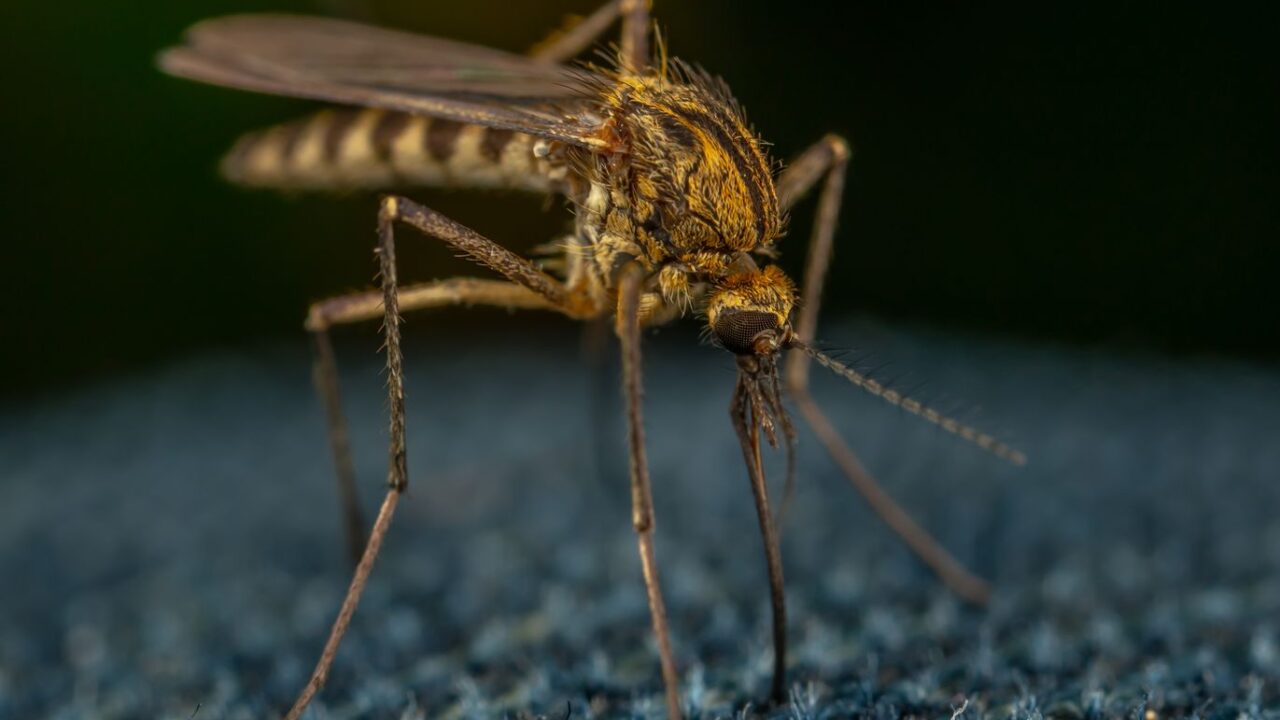
Walk into any electronics shop and you’ll find shelves of gadgets promising to wipe out mosquitoes. But which is the best mosquito killer in Singapore — and do any of them actually work? This honest guide compares the common device types, explains what the evidence supports, and shows where your money is better spent.
What you’re really trying to do
A mosquito killer device only helps if it meaningfully reduces the mosquitoes that bite you. The catch: the Aedes mosquitoes behind dengue here are daytime biters that aren’t strongly drawn to light, so some popular devices target the wrong behaviour.
Keep that in mind as we compare the options below — effectiveness depends heavily on which mosquito you’re up against and how the device attracts them.
Device types compared
| Device | How it works | Realistic verdict |
|---|---|---|
| UV light zappers | Attract insects to light, electrocute them | Catch many night insects, but Aedes aren’t strongly light-drawn — limited for dengue mosquitoes |
| CO2/heat-bait traps | Mimic human breath/warmth to lure and trap | Can reduce numbers over time outdoors; results vary, slower acting |
| Electric swatters | You swat manually | Genuinely effective for the mosquito in front of you; no area effect |
| Suction/fan traps | Draw mosquitoes into a net | Mixed results; placement-dependent |
| Ultrasonic repellers | Claim to repel via sound | No reliable evidence they work |
The honest summary: the “best mosquito killer in Singapore” device is often the humble electric swatter for immediate kills, while area devices give variable, gradual results at best.
Where devices help and where they don’t
Devices can play a supporting role:
- Bait traps may slowly lower outdoor mosquito numbers in a garden or balcony over weeks.
- Swatters are great for dealing with the odd mosquito indoors.
- Zappers reduce general night-flying insects but do little against daytime Aedes.
What no device does well is stop mosquitoes entering your home or breeding nearby — so none should be your only line of defence.
The cheaper, more reliable approach
Before spending on gadgets, the most effective steps cost little:
- Remove breeding water weekly — the single biggest lever. See how to find mosquito breeding spots at home.
- Screen your windows — a no-drill window insect screen physically stops mosquitoes entering while you keep windows open for airflow. This prevents bites rather than reacting to them.
- Use repellent during peak biting hours.
A screen does what a device can’t: keep mosquitoes out of the room entirely.
Avoid these common letdowns
- Ultrasonic repellers — widely sold, but no good evidence they reduce mosquitoes.
- Apps claiming to repel via phone speakers — not effective.
- Any product promising to “eliminate all mosquitoes” — none can; be wary of the claim.
Getting the most from a device if you buy one
If you do invest in a mosquito killer device, a few habits improve your odds of it actually helping:
- Place bait traps away from where you sit. They work by luring mosquitoes, so position them at the edge of a balcony or garden to draw mosquitoes away from people, not towards them.
- Run them consistently. Area traps reduce numbers gradually over weeks, not overnight, so leave them operating.
- Combine with the basics. A device fighting against an active breeding site nearby will always struggle — clear standing water first.
- Set realistic expectations. No consumer device clears Aedes mosquitoes completely, so treat any device as a supplement to prevention, not a replacement.
Used this way, the best mosquito killer setup is really a combination — prevention plus a device for support — rather than any single gadget.
Indoor vs outdoor: matching the device to the space
Where you’ll use a device changes which makes sense:
- Indoors, the most reliable tool is a physical barrier plus a swatter for strays — area gadgets do little in a closed room, and zappers mostly catch non-biting night insects.
- On a balcony or in a garden, a CO2/heat bait trap may gradually lower numbers over weeks if placed at the edge, away from where you sit, to draw mosquitoes away from people.
- For sleeping areas, a mosquito net for the bed outperforms any electronic device, with zero running cost.
The pattern is consistent: devices support, they don’t solve. Stopping mosquitoes entering the room beats trying to kill them once they’re in.
When to call a professional
If you’ve cleared breeding sites, screened windows and still face heavy mosquito activity, the source is likely larger than your home. Professional mosquito control can inspect, larvicide and treat breeding areas you can’t reach — far more effective than any consumer device.
For the average Singapore home, the best results come from breeding control and screened windows, with a swatter for stragglers — not from a single “miracle” mosquito killer device. Spend on prevention first, gadgets second. A screened, breeding-free home needs far fewer gadgets in the first place.
Frequently asked questions
Do UV zappers work on dengue mosquitoes?
Are ultrasonic repellers worth buying?
What’s the most effective device for a Singapore home?
Are CO2 bait traps worth the money?
Related guides
- Best electric mosquito killer
- Best mosquito trap in Singapore
- Best mosquito net for bed
- Do ultrasonic pest repellers work?
- Best mosquito repellent in Singapore
*Want mosquitoes kept out, not just killed? Get a free mosquito control quote from Insect Out.*