Termite Sprays & DIY Treatments: Do They Work?
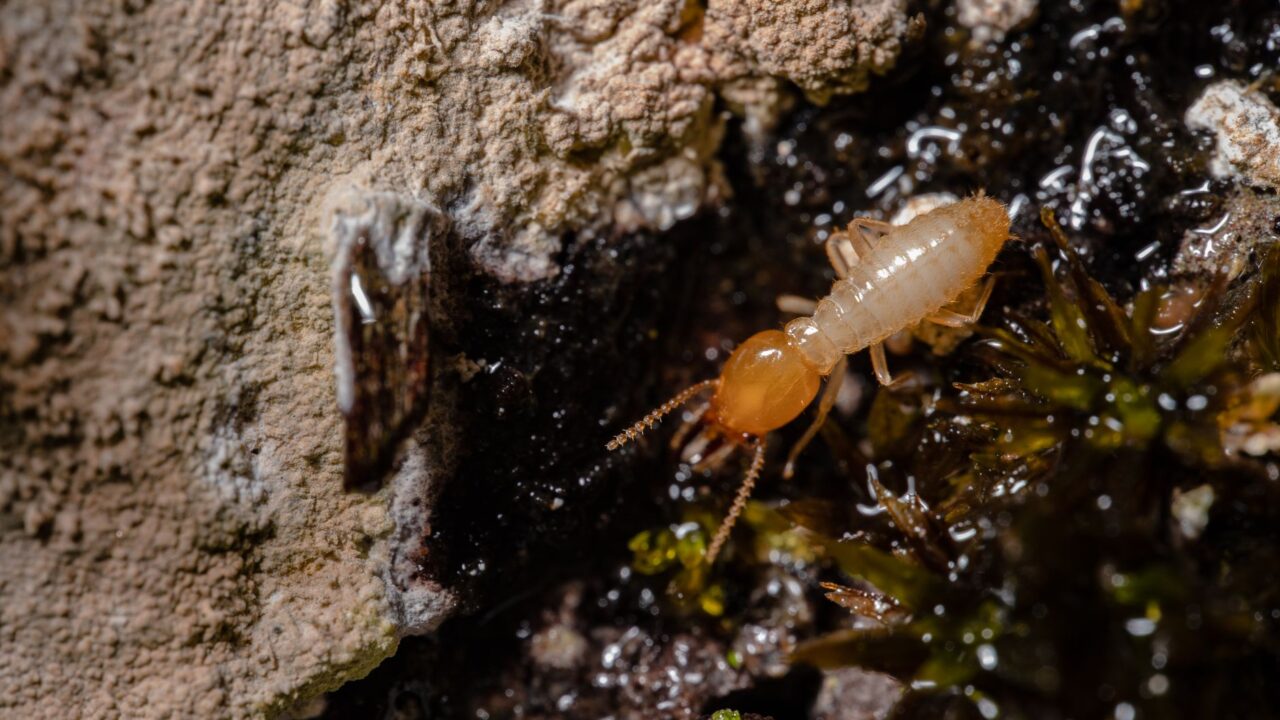
When you spot mud tubes or hollow-sounding skirting, the instinct is to grab a termite spray and deal with it yourself. It’s an understandable first move — but with termites, a can of spray often hides the problem rather than solving it. This guide explains honestly what a DIY termite spray can do, where it falls short, and why colonies in Singapore homes almost always need professional treatment.
What a Termite Spray Actually Does
Over-the-counter termite sprays are contact insecticides — they kill the termites they directly touch. That sounds useful, but it misses the bigger picture.
- They kill foragers you can see, not the hidden colony.
- They don’t reach the queen and nest, which may be metres away or underground.
- A repellent spray can make termites avoid and reroute around treated areas, spreading damage.
So spraying a few visible termites can feel like progress while the colony keeps eating your home out of sight.
Subterranean vs Drywood: Why It Matters
Singapore has two main termite types, and they respond differently to DIY efforts:
| Type | Where they live | DIY spray outcome |
|---|---|---|
| Subterranean | Soil, enter via mud tubes | Spray barely dents the colony |
| Drywood | Inside the timber itself | Surface spray can’t reach the core |
Subterranean termites are the most common and destructive in local homes, nesting in soil and tunnelling up into structures. A surface spray simply can’t reach a nest below ground. Our guide on subterranean vs drywood termites explains how to tell which you have, and signs of termites in your home helps you confirm an active problem early.
What DIY Can Reasonably Achieve
DIY measures aren’t worthless — they’re just preventive rather than curative. Sensibly, you can:
- Reduce moisture: Fix leaks and improve ventilation; termites need humidity.
- Remove timber-to-soil contact: Keep wood, cardboard and stored items off the ground.
- Stay alert: Inspect skirting, door frames and timber for mud tubes or hollow sounds.
- Spot-treat drywood in small, isolated items (e.g. a single piece of furniture) with limited success.
These slow termites down and help you catch problems early — but they don’t eliminate an established colony.
Why Professional Treatment Is Different
Professionals use approaches that DIY products can’t replicate:
- Soil treatment (termiticide barrier): A treated zone around and under the structure that termites can’t cross.
- Baiting systems: Stations that termites carry back to share, collapsing the whole colony — including the queen.
- Targeted wood treatment: For drywood infestations within timber.
Crucially, these target the colony rather than the foragers, and they’re applied with the equipment and registered products needed to reach hidden nests. That’s the difference between killing a few termites and ending the infestation.
The Risk of DIY Spraying
Beyond simply not working, DIY termite spraying carries a hidden cost: it can make the eventual professional job harder.
- Repellent sprays scatter termites, pushing them to tunnel through new, untreated areas of your home.
- It masks the problem, giving a false sense that it’s handled while the colony keeps feeding.
- It delays proper treatment, and termite damage compounds the longer a colony works undisturbed.
In other words, the weeks spent spraying are weeks the colony keeps eating — which is why early professional assessment usually saves money overall.
When to Stop Spraying and Call a Professional
Call for an inspection if you notice any of these:
- Mud tubes on walls, beams or foundations.
- Hollow-sounding or crumbling skirting, door frames or timber.
- Discarded wings near windows after a flight (swarmers).
- Bubbling or sagging paint over timber.
By the time termites are visible, the colony is usually well established. Trying to handle it with spray risks costly structural damage while the nest survives. Professional termite control in Singapore starts with an inspection to confirm the species and extent, then applies the right treatment.
The honest takeaway: use DIY for prevention and early detection, but treat an active colony as a job for the professionals.
It helps to reframe what a termite spray is for. It’s a tool for keeping conditions unfavourable and dealing with a stray insect — not a colony killer. Subterranean termites in particular nest out of reach in the soil, so no surface product you can buy will reach the queen. Spending on a proper inspection and a baiting or soil-treatment programme is what actually ends the problem and protects your home’s structure.
Does Your Home Type Change the Picture?
Where you live affects how termites reach your home — and how a treatment is applied.
- HDB flats: Damage usually shows up in timber skirting, door frames, parquet and built-in carpentry. Because subterranean colonies can travel between units through shared structures and risers, a single can of spray rarely settles it. Our note on termite damage in HDB flats covers what to look for.
- Condos: Higher floors aren’t immune — termites move through service ducts, planter boxes and timber finishes. Management may need to be informed if common areas are involved.
- Landed homes: The greatest exposure, with soil contact on all sides, garden timber and sub-floor voids. A soil termiticide barrier is often the most practical long-term defence here.
Whatever the property, the principle is the same: reach the colony, not just the foragers.
Common DIY Mistakes
A few habits make termite problems worse rather than better:
- Spraying mud tubes and walking away. You kill a handful of workers; the colony reroutes and keeps feeding.
- Painting over damaged timber to hide it, which traps moisture and masks the spread.
- Using repellent products that scatter termites into new areas of the home.
- Treating one room while ignoring connected timber the same colony is already working through.
How Much Does Proper Treatment Cost?
We won’t quote a figure here, because the right price depends on the species, the size of the area, the method (baiting versus a soil barrier), and how far the infestation has spread. The honest framing is this: termite damage compounds the longer a colony works, so an early inspection almost always costs less than repairing structural timber later. Our overview of termite treatment cost in Singapore explains the factors that move the number, and what to expect from a termite inspection walks through the first visit.
Frequently Asked Questions
Will a termite spray from the hardware shop kill my whole colony?
Is DIY ever the right call for termites?
I treated a few termites and they disappeared. Am I clear?
Can I prevent termites coming back after treatment?
Related Guides
- Termite control in Singapore
- How to get rid of termites
- Anti-termite treatment explained
- Flying termites in Singapore
- DIY vs professional pest control
*Spotted mud tubes or hollow timber? Get a proper termite control assessment through our contact page before the damage spreads.*