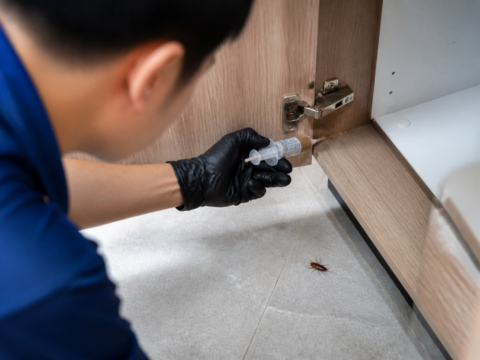
Termite Damage in HDB Flats: What Singapore Homeowners Should Know
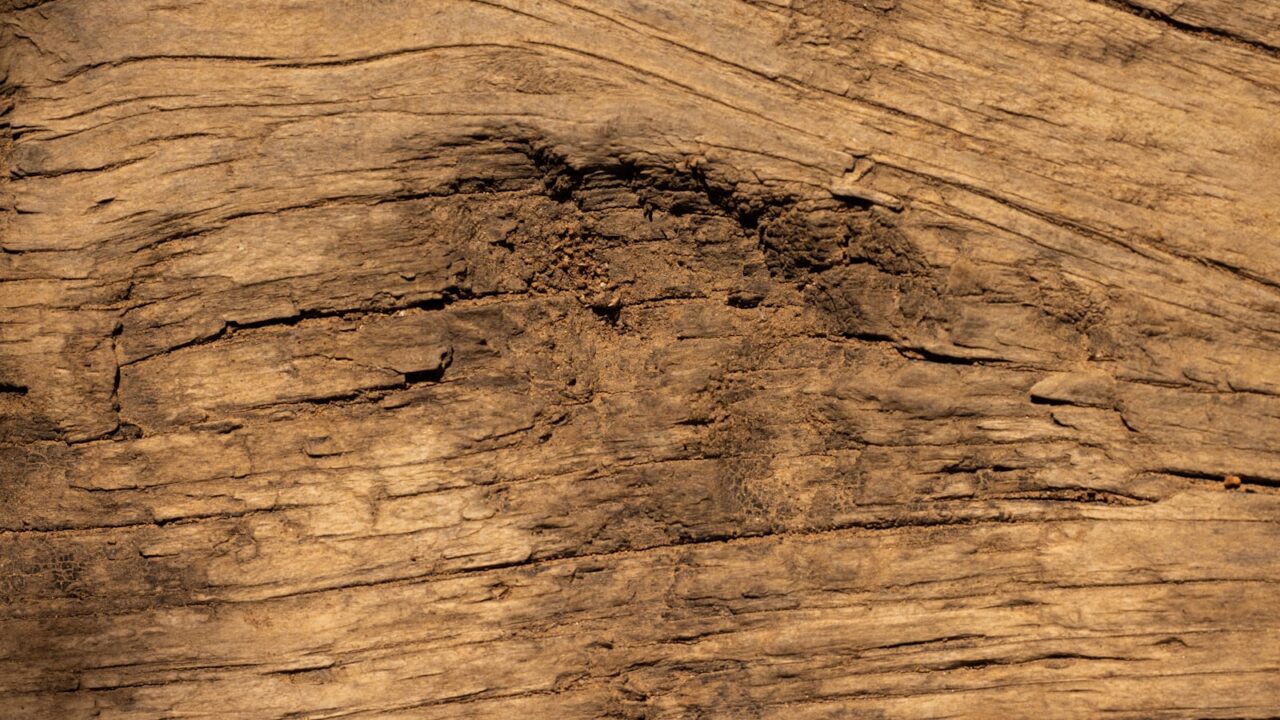
Reports of severe termite damage in HDB flats — including widely shared cases in Choa Chu Kang, where residents found door frames and built-in carpentry eaten hollow — are a wake-up call for Singapore homeowners. There’s a common assumption that termites are a landed-home problem, something for houses with gardens and timber structures. They’re not. Termites don’t respect walls, and in high-density housing an infestation in one unit can quietly spread to its neighbours through shared structures and the soil beneath the block. This guide explains why flats are vulnerable, what the warning signs look like in an HDB setting, and the steps to take if you suspect termites — including why coordinating with your neighbours matters.
Why HDB flats are vulnerable
It’s worth understanding the specific reasons a flat is at risk, because they shape how you respond:
- Shared structures. Timber door frames, parquet flooring, skirting and built-in carpentry give termites a continuous path to feed along — and, in attached units, a route between homes. What starts in one flat doesn’t necessarily stay there.
- Humidity. Singapore’s year-round warmth and humidity keep subterranean termites active in the soil beneath and around the block all year, with no seasonal lull to slow them down.
- Hidden until it’s bad. Termites eat timber from the inside out, leaving a thin intact shell, so damage is frequently advanced by the time anyone notices. A door frame can look perfectly normal right up until it crumbles.
Subterranean termites are the usual culprits in flats because they nest in soil and travel up into the building — our guide to subterranean vs drywood termites explains the difference and why the soil-nesting kind is so well suited to spreading through a block.
Warning signs in a flat
The signs in an HDB unit are much the same as in any home, but worth knowing specifically:
- Mud tubes — pencil-width mud tunnels on walls, skirting or behind cabinets, the signature of subterranean termites.
- Hollow-sounding or crumbling timber — door frames, parquet and built-in carpentry that sound papery when tapped or give way when pressed.
- Discarded wings — small piles of equal-length wings near windows after a swarm, often the first sign you’ll see.
- Bubbling or cracked paint — surface distortion from the moisture termites bring into the wood beneath.
For the full rundown with photos of what to look for, see our companion guide to the signs of termites in your home. And if you’ve spotted winged insects indoors after rain, flying termites in Singapore explains what a swarm means — usually that a mature colony is established nearby. If you’re not sure whether you’re looking at termites or ants, termites vs ants settles it quickly.
What to do
If you suspect termites in your flat, act in this order:
- Don’t wait. Termite damage compounds, and repairs to door frames, flooring and carpentry get costly fast. The earlier you act, the smaller the bill.
- Get a professional inspection. A specialist confirms the species and maps the extent — crucial, because subterranean and drywood termites need different treatments. Knowing what a termite inspection involves helps you prepare.
- Treat the colony, not the surface. Effective treatment means baiting or a soil barrier that reaches the nest, not a can of spray that kills a few workers. Our overview of anti-termite treatment explained covers the main methods, and termite treatment cost in Singapore explains what the price depends on — species, extent and the size of the area treated.
- Tell your neighbours. This is the step unique to flats. In an attached block, a colony can move between units, so coordinated treatment across affected homes prevents reinfestation. Treating your unit alone while the colony persists next door is a recipe for it coming straight back.
Protect your flat going forward
Prevention is far cheaper than cure. Keep an eye on the timber-to-floor and timber-to-wall junctions where subterranean termites tend to appear, fix leaks and damp promptly since moisture draws them in, and act on the first sign rather than waiting to be sure. Our guide on how to prevent termites sets out a practical routine. Above all, if you’ve seen any of the signs above — or a neighbour has had termites — get a professional assessment rather than hoping it stays in their unit. Coordinated, early action is what keeps a single infestation from becoming a block-wide problem.
What termite damage typically costs to put right
The reason early action pays off is the repair bill, which often dwarfs the cost of treatment. Termites in a flat tend to target exactly the expensive elements: solid timber door frames, parquet flooring, and built-in carpentry like wardrobes and kitchen cabinets. By the time damage is visible, the affected pieces frequently need replacing rather than patching, and a hollowed door frame or a stretch of ruined parquet is far from cheap to redo. Treat that against the cost of an inspection and colony treatment caught early, and the maths is stark — the longer the colony feeds, the more of your carpentry you end up replacing. This is also why “wait and see” is the most expensive option of all: termites don’t pause, and every month of delay is more timber eaten. If you’ve seen even one sign, an inspection now is almost always cheaper than the repairs you’ll face by ignoring it.
Frequently asked questions
Can termites really spread between HDB units?
Is termite treatment in a flat disruptive?
Who pays — me or HDB?
How much will it cost?
Related guides
- Signs of termites in your home
- Subterranean vs drywood termites
- Anti-termite treatment explained
- Termite inspection: what to expect
- How to prevent termites
*Worried about termites in your flat? Request a free inspection before it spreads to your neighbours.*