Best Insect Repellent in Singapore: A Buyer’s Guide
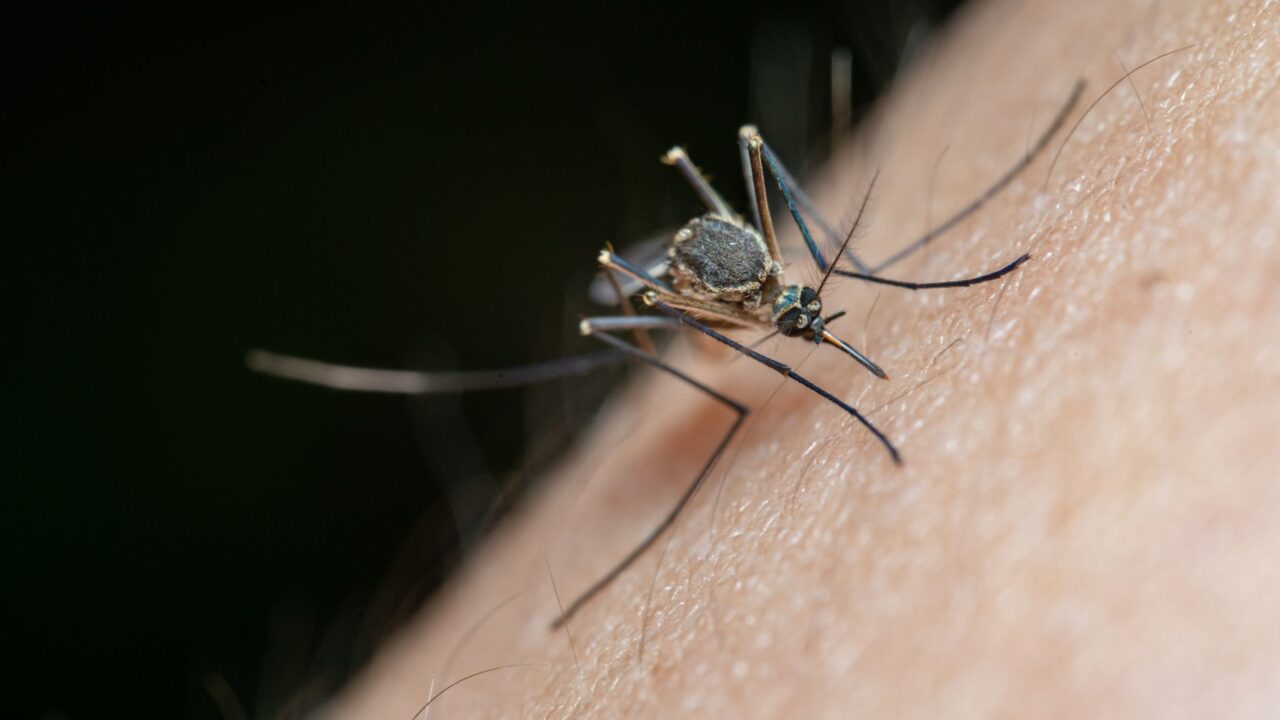
From mosquitoes at dusk to sandflies on a coastal walk, biting insects are part of life in Singapore’s tropical climate. Choosing the best insect repellent in Singapore comes down to the active ingredient, the format and matching it to where and how you’ll use it. This buyer’s guide explains what to look for — without naming brands or overpromising.
Active ingredients that actually work
The repellent’s active ingredient matters far more than its scent or packaging. The most evidence-backed options are:
- DEET — the long-standing benchmark, effective against mosquitoes and many biting insects. Higher concentrations last longer, not stronger.
- Picaridin (icaridin) — comparable protection for many people, usually lighter and less smelly.
- Oil of lemon eucalyptus (PMD) — a plant-derived option with reasonable evidence; not for very young children.
When weighing up the best insect repellent in Singapore, check the label for one of these actives and its concentration, then follow the reapplication guidance.
A quick note on concentration: with DEET, a higher percentage doesn’t repel harder — it simply lasts longer before you need to reapply. For a short evening out, a moderate concentration is usually plenty; for a long outdoor stretch, a higher one means fewer top-ups. Picaridin works similarly. The right choice is the lowest concentration that covers the time you’ll be exposed, which also keeps it comfortable on skin in our heat.
Match the format to the situation
| Situation | Suggested format | Why |
|---|---|---|
| Daily commute / short exposure | Lotion or roll-on | Controlled, low-fuss application |
| Outdoor exercise / hikes | Spray with longer-lasting active | Quick coverage; reapply with sweat |
| Kids’ exposed skin | Child-labelled lotion | Even, gentle application |
| Travel | Stick or compact spray | Packs easily |
Plug-in vaporisers and coils help indoors or on patios but protect a space, not your skin — use them alongside, not instead of, a skin repellent outdoors.
Choosing for the whole family
- Children: use lower-concentration DEET or picaridin products labelled for kids; follow the minimum age and avoid hands and eyes.
- Babies under the labelled age: rely on nets, clothing and screened windows rather than skin repellent.
- Sensitive skin: patch-test a small area first, and picaridin is often gentler than DEET.
- Apply sunscreen first, then repellent, if using both.
Repellent is one layer, not the whole defence
Even the best insect repellent in Singapore only covers treated skin for a few hours. To genuinely reduce bites at home, combine it with:
- Breeding control — clear standing water weekly; see how to find mosquito breeding spots at home.
- Screened windows — a no-drill window insect screen keeps mosquitoes and other insects out while you keep windows open for airflow.
- Repellent on exposed skin during peak biting hours.
This layered approach beats relying on repellent alone, especially during dengue season.
Applying repellent correctly
A surprising number of bites happen because repellent is applied poorly, not because the product is weak. To get the most from the best insect repellent in Singapore:
- Cover all exposed skin evenly — insects find the patch you missed, like ankles and the backs of hands.
- Don’t over-rely on clothing alone unless it’s treated; thin fabric can be bitten through.
- Reapply on time per the label, and after sweating, rain or swimming.
- Avoid eyes, lips and broken skin, and apply sparingly on children’s faces (spray onto your hands first, then wipe on).
- Wash it off when you’re back indoors and no longer need protection.
Used properly, even a moderate-strength repellent performs well; used carelessly, even a strong one disappoints.
Repellent for different biting insects
Singapore isn’t only mosquitoes. The good news is the proven actives cover most biters, but a few situations differ:
- Sandflies on coastal or grassy walks bite low — cover ankles and feet well, where people most often miss. See sandfly bites in Singapore.
- Ticks on dogs or in long grass need extra care; tuck trousers in and check skin afterwards.
- Midges and other small biters are deterred by the same DEET or picaridin products as mosquitoes.
For everyday use the rule holds: a proven active, applied evenly, reapplied on time. The insect changes; the principle doesn’t.
When the problem is bigger than bites
If you’re constantly bitten indoors despite using repellent and screening windows, the cause is environmental — likely mosquitoes breeding in or near your home. Professional mosquito control can inspect and treat sources you can’t reach.
The bottom line
The best insect repellent for you is a proven active (DEET, picaridin or PMD) in a format you’ll actually reapply, chosen for who’s using it and where. Treat it as one layer of protection — paired with breeding control and screened windows — for real, lasting relief. No single product does it all, so think in layers rather than searching for one miracle spray.
Frequently asked questions
DEET or picaridin — which should I pick?
Do plug-ins and coils replace skin repellent outdoors?
What’s safe for children?
How much repellent should I actually apply?
Does treated clothing help?
Related guides
- DEET vs picaridin repellent
- Best mosquito repellent in Singapore
- Do natural mosquito repellents work?
- Best bug spray in Singapore
- Sandfly bites in Singapore
*Want fewer bites at home? Explore window insect screens at Insect Out.*