Do Natural Mosquito Repellents Actually Work?
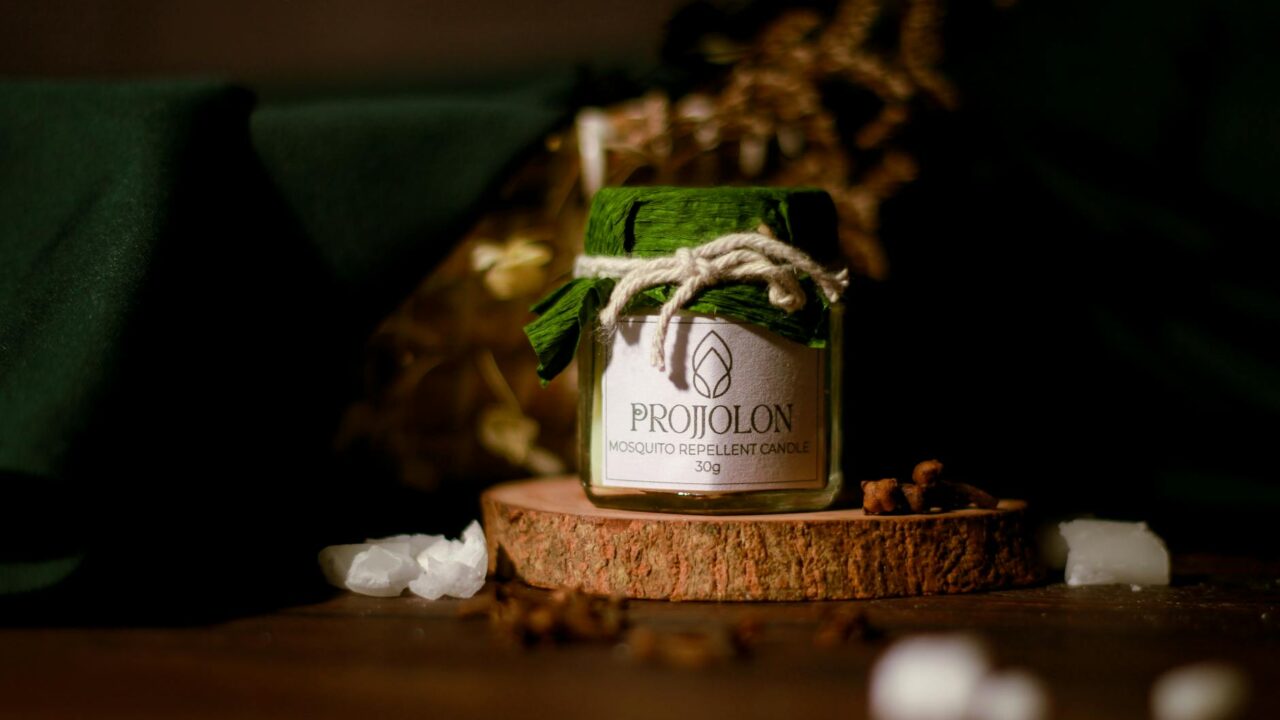
Citronella candles, lemongrass oil, plug-in essential oils — a natural mosquito repellent is appealing if you’d rather avoid synthetic chemicals. But do they actually keep Singapore’s mosquitoes away? The honest answer is: some help a little, for a short time, but most don’t match proven repellents. Here’s what the evidence says and how to use natural options well.
What “natural” really means here
“Natural” usually refers to plant-derived ingredients — essential oils and botanicals — rather than synthetic actives like DEET or picaridin. Natural doesn’t automatically mean safer or more effective; some essential oils can irritate skin, and most evaporate quickly, so protection is brief.
The key question for any natural mosquito repellent is how long it lasts and whether it’s been shown to deter mosquitoes at realistic concentrations.
What the evidence supports
| Natural option | Realistic verdict |
|---|---|
| Oil of lemon eucalyptus (PMD) | The strongest natural option — decent evidence, longer-lasting; not for very young children |
| Citronella | Provides short-term protection; evaporates fast, so frequent reapplication needed |
| Lemongrass / geraniol oils | Mild, short-lived effect |
| Repellent plants (citronella, basil) | Growing a plant in a pot does little; the oils must be released and applied |
| Essential-oil diffusers | Pleasant, but limited mosquito-repelling effect |
Of these, oil of lemon eucalyptus (PMD) stands out — it’s plant-derived yet performs closer to conventional repellents, which is why it’s often recommended as the effective “natural” choice.
How to use natural repellents effectively
If you prefer natural options, get the most from them:
- Choose PMD if you want the best natural protection (check the age guidance).
- Reapply often — citronella and similar oils wear off within an hour or two.
- Use citronella candles in still air, close to you; breeze disperses the effect.
- Patch-test oils on skin first to avoid irritation.
- Don’t rely on plants alone — a pot of citronella by the window won’t protect you.
The honest limitations
Even used well, most natural repellents:
- Last a much shorter time than DEET or picaridin.
- Need frequent reapplication to stay effective.
- Don’t stop mosquitoes entering your home or breeding nearby.
So while a natural mosquito repellent can reduce bites in the short term, it’s not a complete solution — especially given dengue and Zika risk here. For context on that risk, see Singapore’s Say No to Zika guidance, and our guide on how to get rid of mosquitoes naturally for the wider non-chemical approach.
The most effective “natural” step of all
The most reliable, chemical-free way to cut mosquito bites at home isn’t a spray or candle — it’s a physical barrier:
- Remove breeding water weekly — see how to find mosquito breeding spots at home.
- Screen your windows. A no-drill window insect screen keeps mosquitoes out with zero chemicals while you keep windows open for airflow.
This pairs perfectly with natural repellents and dramatically reduces how much repellent you need in the first place.
Are natural repellents safer for kids and skin?
“Natural” is often assumed to mean gentler, but that isn’t automatic. Some essential oils can irritate skin or trigger reactions, especially in concentrated form, and a few aren’t recommended for young children at all. A few sensible points:
- Patch-test any oil on a small area before wider use.
- Oil of lemon eucalyptus (PMD) is effective but carries an age restriction — check the label before using on young children.
- Diluted, properly formulated products are safer than dabbing raw essential oils on skin.
- For babies and very young children, physical protection — nets, clothing and screened windows — is the safest route regardless of repellent type.
So a natural mosquito repellent can be a reasonable choice for many people, but read labels and don’t assume natural means risk-free.
Mosquito-repellent plants: the honest verdict
Citronella, lemongrass, basil and lavender are often sold as living mosquito repellents, but a plant sitting in a pot does very little on its own. The repellent compounds are locked in the leaves; they only deter mosquitoes when the oils are released and applied — crushed, distilled or formulated into a product. A balcony of citronella looks lovely and may smell pleasant, but it won’t clear a corner of mosquitoes. If you like the idea, treat the plants as a bonus and rely on a proven repellent and screened windows for actual protection. Our guide to mosquito-repellent plants that work separates the realistic from the wishful.
When to call a professional
If you’ve tried natural repellents, cleared breeding spots and screened windows but mosquitoes persist, the source is likely beyond your home. Professional mosquito control can inspect and treat breeding areas you can’t reach.
In short, some natural mosquito repellents — especially oil of lemon eucalyptus — do work, but briefly. Use them as one layer, paired with breeding control and screened windows, for a low-chemical home that mosquitoes still can’t get into. That physical barrier, not a candle or a potted plant, is what does the heavy lifting.
Frequently asked questions
Which natural repellent works best?
How often do I need to reapply citronella?
Are natural repellents safer for skin?
Do citronella candles work?
Related guides
- Mosquito-repellent plants that work
- Essential oils that repel insects
- How to get rid of mosquitoes naturally
- Best mosquito repellent in Singapore
- Are mosquito coils safe?
*Want chemical-free protection that lasts? Explore window insect screens at Insect Out.*