Best Mosquito Traps in Singapore: Do They Work?
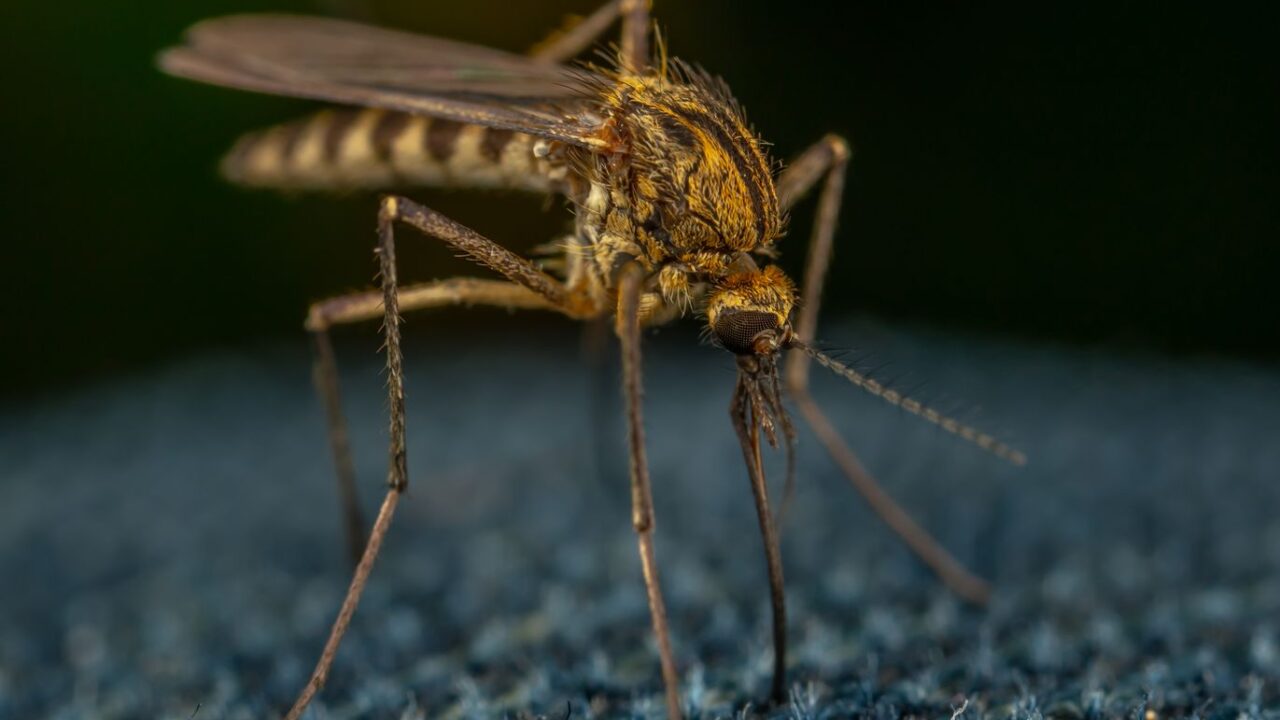
A mosquito trap promises a hands-off way to cut down the biting in your home — but do they actually deliver in Singapore’s mosquito-heavy conditions? Some types help meaningfully, others are mostly marketing. This buyer’s guide explains how a mosquito trap works, which kinds are worth the money here, and why a trap works best as part of a wider plan rather than on its own.
How Mosquito Traps Work
Most traps attract mosquitoes using one or more lures, then capture or kill them.
- CO2 / heat lures: Mimic a breathing human; most attractive to host-seeking females.
- Light (UV/LED): Draws some insects but is weak for Aedes mosquitoes, which hunt by scent and heat.
- Octenol or lactic-acid attractants: Chemical scents that imitate human skin.
- Capture method: A fan sucks mosquitoes into a retaining net, or a sticky/electrified grid kills them.
The key point for Singapore: our main biting mosquito, *Aedes aegypti*, is drawn to humans far more than to light. So traps relying mainly on UV light underperform here.
Types of Mosquito Trap Compared
| Type | How it lures | Effectiveness for Aedes | Best use |
|---|---|---|---|
| UV light/zapper | Light | Low | Bonus, not primary |
| CO2/heat trap | CO2 + heat + scent | Moderate–good | Larger rooms, balconies |
| Photocatalytic | UV + small CO2 | Low–moderate | Supplementary |
| Ovitrap (egg trap) | Water + lure to lay eggs | Targets breeding | Population monitoring/reduction |
CO2-style traps tend to be the most effective for the mosquitoes that bite us, while ovitraps target the breeding cycle by attracting females to lay eggs in a controlled, treated container.
Do Mosquito Traps Actually Work in Singapore?
Honestly: a good trap reduces mosquito numbers but rarely eliminates them in a typical home. They work best when:
- Placed away from where you sit (to draw mosquitoes elsewhere).
- Run continuously, not just when you notice bites.
- Used in a space without competing attractants (so it’s the most appealing target).
In an open HDB or condo unit, fresh mosquitoes keep arriving from outside, so a trap alone fights a losing battle. That’s why pairing it with a barrier matters.
Combine Traps With Screening
The most reliable result comes from stopping mosquitoes entering in the first place, then trapping the few that get in. A fine-mesh barrier on your openings does the heavy lifting.
Our window insect screens are no-drill and magnetic, so you can keep windows open for airflow while blocking mosquitoes. Add a trap indoors and you’re catching strays rather than relying on the trap to handle a constant inflow.
For outdoor breeding sources you can’t reach — shared drains, roof gutters, neighbouring stagnant water — targeted mosquito control in Singapore treats the larvae before they become biting adults.
Where to Place a Mosquito Trap
Placement makes a big difference to how well a trap performs:
- Away from people: Put the trap on the far side of a room or balcony so mosquitoes are lured toward it, not toward you.
- Low and shaded: Mosquitoes rest in cool, shaded, lower areas during the day.
- Near entry points: Position it where mosquitoes drift in, such as near a balcony door or unscreened window.
- Run it continuously: Traps work on cumulative catch over days, not in a single evening.
Avoid placing a trap right next to where you sit or sleep — you’d simply be drawing mosquitoes toward yourself.
Common Mistakes That Make a Trap Look Useless
Most disappointment with mosquito traps comes down to how they’re used, not the device itself. Watch for these:
- Buying for the wrong mosquito. A glowing UV grid is built to attract light-seeking insects, not the scent-tracking *Aedes* that bite us by day. Match the lure to the target.
- Switching it off overnight. A trap left idle while you sleep misses the very hours mosquitoes are active. These devices reward patience and continuous running.
- Neglecting the refill or tray. A spent attractant cartridge or a clogged catch net quietly halts the catch. Check and clean on schedule.
- Expecting it to fight an open window. With unscreened openings, the trap competes against an endless supply of new arrivals and always loses. Knowing where they get in helps — our guide to finding mosquito breeding spots at home shows what to look for.
If you’d rather build something cheap to test the concept first, our walkthrough on homemade mosquito traps covers a simple bottle-and-yeast version.
HDB, Condo and Landed: What Changes
In a compact HDB flat, a single CO2 trap in the affected room is usually enough, paired with HDB insect screens on the windows it drifts in through. Condo dwellers with balconies face more open airflow, so place the trap on the balcony’s far corner and screen the sliding door behind it. Landed homes have the toughest job — more openings, garden water features and shaded foliage all feed the population — so traps here only make sense alongside diligent source reduction and, often, professional treatment. Across all three, the trap is the mop, not the tap.
A Practical Anti-Mosquito Setup
Layer your defences for the best outcome:
- Screen windows and doors to stop entry.
- Remove standing water weekly (NEA Mozzie Wipeout).
- Trap indoors to catch any that slip in.
- Treat outdoor breeding hotspots professionally if mosquitoes persist.
Used this way, a mosquito trap becomes a useful part of the system rather than a false promise of total control. If you’re also weighing other gadgets, our guide to electric mosquito killers and zappers explains where they fit, and our wider mosquito killer devices roundup compares the categories side by side.
Set realistic expectations too: a trap is a numbers game that chips away at the mosquito population over days, not an instant fix you switch on before bed. Judge it over a week or two, with screening doing the front-line work, rather than expecting a single device to clear an open, breezy Singapore home on its own.
Frequently asked questions
How long before a mosquito trap shows results?
Are mosquito traps safe to leave on around children and pets?
Will a trap stop dengue mosquitoes completely?
Related guides
- Best electric mosquito killers and zappers
- Best mosquito killer devices in Singapore
- Homemade mosquito traps
- How to prevent mosquito breeding
- How to find mosquito breeding spots at home
- No-drill HDB insect screens
*Want fewer mosquitoes for good? Start with no-drill window insect screens, or get a free quote for mosquito control via our contact page.*