Homemade Mosquito Traps: Do They Really Work?
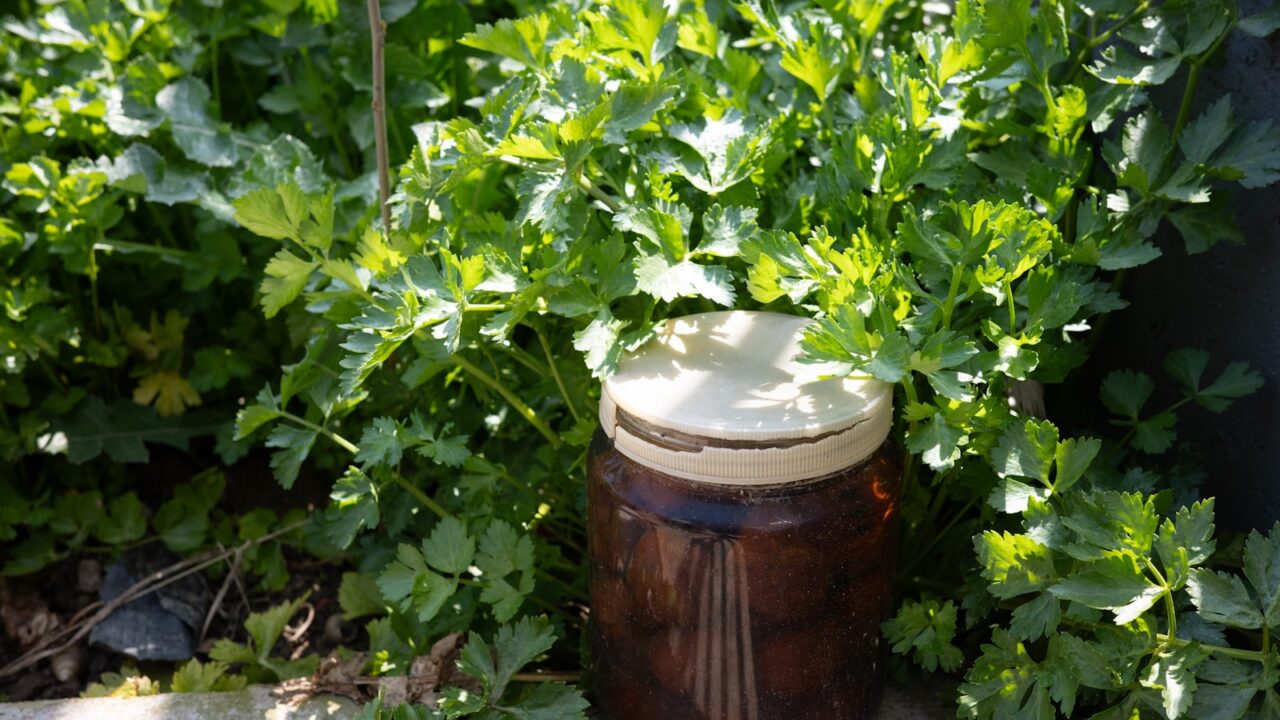
If you’ve been searching for a homemade mosquito trap, you’re probably tired of being bitten in your own HDB flat or condo. The DIY bottle trap is the internet’s favourite fix — cheap, easy, and made from things in your kitchen. But does it actually reduce the mosquitoes biting you in Singapore? Here’s an honest look at what these traps do, how to make one, and what works much better.
How a homemade mosquito trap works
Most DIY traps use the same idea: attract mosquitoes with carbon dioxide or a scent, then trap them so they can’t escape.
The classic version uses a cut plastic bottle and a sugar-yeast mixture. As the yeast ferments the sugar, it releases CO2 — the same gas we exhale, which is one of the main cues mosquitoes use to find us.
To make a basic homemade mosquito trap:
- Cut a 1.5L plastic bottle in half.
- Mix 50g brown sugar into 200ml of warm (not hot) water and let it cool.
- Add about 1g of dry yeast — don’t stir.
- Pour the mixture into the bottom half of the bottle.
- Invert the top half like a funnel and tape it in place.
- Wrap the bottle in dark paper and place it in a shaded, still corner.
The dark wrap and CO2 lure mosquitoes in; the funnel makes it hard for them to fly back out.
Do homemade mosquito traps actually work?
Honestly: they catch *some* mosquitoes, but they will not clear an infestation or stop you getting bitten.
The problem is competition. A fermenting bottle releases a small, steady trickle of CO2. You — a warm, moving, breathing human — are a far stronger magnet. When you’re in the room, the mosquitoes come for you, not the trap.
These traps are best understood as a way to *monitor* whether mosquitoes are around, not as real control. In Singapore’s warm, humid climate, where Aedes and Culex mosquitoes breed year-round, a single bottle trap barely makes a dent.
A few realistic expectations:
- A trap may catch a handful of mosquitoes over several days.
- It does nothing about the breeding source producing new ones.
- The sugar-water itself can become a breeding spot if it’s left open or stagnates.
Better than a trap: stop them breeding and getting in
The fastest way to fewer mosquitoes is to attack the source and block entry — not to lure them one by one.
Remove breeding spots. Aedes mosquitoes breed in tiny amounts of clean, stagnant water. Following NEA’s Mozzie Wipeout habits makes a real difference:
- Empty and scrub plant pot saucers and trays.
- Turn over pails and watering cans.
- Clear roof gutters and balcony drains.
- Change the water in vases and pet bowls often.
Keep them outside. A fitted window insect screen lets you keep windows open for airflow while blocking mosquitoes — far more effective than any bottle trap, and it works around the clock without refills.
For a layered approach to bites and breeding, see our full guide to mosquito control in Singapore.
When a homemade trap is still useful
DIY traps aren’t useless — just modest. They make sense when you want a cheap, low-effort experiment, or to gauge mosquito activity in a specific corner before deciding on stronger measures.
Pair a trap with the basics for better results:
- Use repellent with DEET, picaridin or oil of lemon eucalyptus on exposed skin.
- Run a fan — mosquitoes are weak fliers and avoid moving air.
- Fix gaps around windows, doors and vents.
If you want to try natural lures, our guide to essential oils that repel insects covers what genuinely helps and what’s overhyped.
When to call a professional
If you’re getting bitten daily, see mosquitoes at all hours, or live near a dengue cluster, a homemade mosquito trap won’t be enough. Persistent activity usually means a breeding source nearby — sometimes in a neighbour’s unit or a shared area you can’t reach.
A professional inspection can find and treat hidden breeding sites, apply targeted larviciding, and advise on prevention. With dengue and Zika spread by Aedes mosquitoes in Singapore, it’s worth taking ongoing bites seriously rather than relying on a bottle in the corner.
Tweaks that make a DIY trap catch more
If you want to give a homemade mosquito trap its best chance, a few adjustments help:
- Place it where you’re not. A trap only competes when you’re out of the room. Put it in a spare bedroom, a quiet corner, or near the laundry yard rather than beside the sofa where you sit.
- Keep it in shade and out of draughts. Aedes mosquitoes rest in cool, shaded spots; a fan or bright sun nearby pushes the weak CO2 plume away.
- Refresh the mixture weekly. Fermentation slows after a few days and the CO2 trickle fades. Replace the sugar-yeast solution about once a week and rinse the bottle so it doesn’t turn into a breeding spot itself.
- Cover the funnel loosely so caught mosquitoes can’t crawl back out, but air can still escape.
Even at their best, these traps are a supporting act. If bites are your main concern, a proper mosquito repellent on exposed skin and a fitted screen will do far more than any bottle. To find where the mosquitoes are actually coming from, walk through our guide on mosquito breeding spots at home.
Frequently asked questions
Do shop-bought mosquito traps work better than homemade ones?
Will a homemade trap reduce dengue risk?
Where should I put the trap?
Related guides
- How to find mosquito breeding spots at home
- How to get rid of mosquitoes
- Best mosquito trap in Singapore
- Types of mosquitoes in Singapore
- Mosquito control in Singapore
A homemade mosquito trap is a fun project and a rough monitor, but real relief comes from removing breeding water and screening your home.
*Want lasting protection instead of a one-off trap? Explore our mosquito control services or fit a window insect screen today.*