Homemade Ant Traps & Baits That Actually Work
A homemade ant trap can genuinely clear an ant problem — far better than spraying the trail — because it targets the colony instead of the few ants you can see. In Singapore, where ants march into kitchens year-round, a simple borax-and-sugar bait is cheap, effective and easy to make. This guide shows how to make a homemade ant trap, how to use it safely around kids and pets, and when to call in help.
Why a homemade ant trap beats spraying
When you spray a trail of ants, you kill a handful of workers and feel like you have won. But those are a tiny fraction of the colony. The queen and the brood — hidden in a wall void, under tiles or outdoors — keep producing more, so the ants return within days.
A homemade ant trap works differently. It uses slow-acting bait mixed with food the ants love. Workers carry it back to the nest and share it, reaching the queen and colony. Done right, the whole colony collapses over a week or two.
The trade-off: you must be patient and resist spraying, which scatters the ants and ruins the baiting.
How to make a borax and sugar ant bait
The classic recipe combines borax (the active ingredient) with sugar (the lure):
Liquid bait:
- Mix about 1 part borax to 3 parts sugar.
- Add a little warm water to make a syrup.
- Soak cotton balls in the syrup, or pour a small amount onto bottle caps.
Solid bait (for grease-loving ants):
- Mix borax with a little honey or peanut butter instead of sugar syrup.
The borax concentration should be low — too much kills workers before they make it home, which defeats the purpose. A weaker, sweeter bait that ants keep eating and carrying back is more effective.
Where to place your homemade ant trap
Placement makes or breaks results:
- Put baits directly on the ant trails and near entry points.
- Place several small baits rather than one large one.
- Leave them undisturbed — do not clean the trail or spray near them.
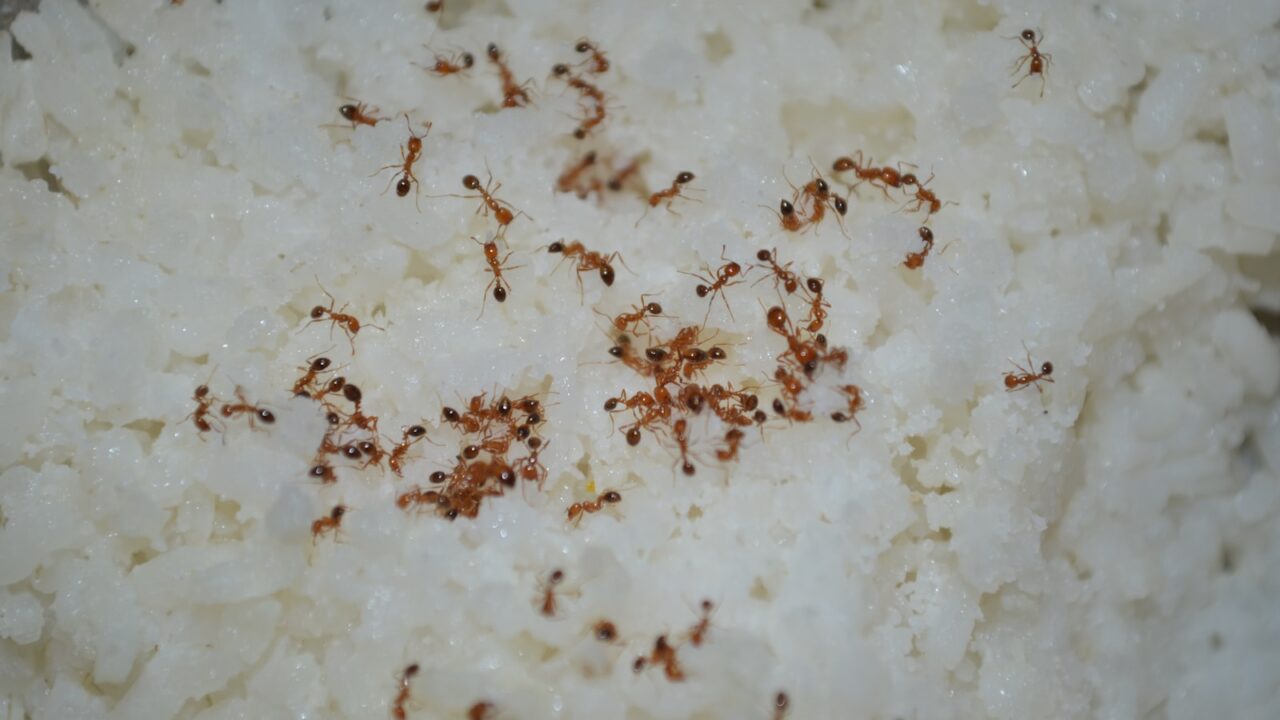
- Expect more ants at first; that is good, it means they are feeding and carrying bait home.
- Replace baits as they dry out, and keep them out until activity stops.
Safety around kids and pets
Borax is not something to use casually around a home with crawling babies or curious pets. It should not be eaten by people or animals.
To bait safely:
- Place baits inside small containers with ant-sized holes, or in spots children and pets cannot reach — behind appliances, inside cabinets, on high ledges along the trail.
- Never leave open syrup on the floor or counters.
- Label and store borax sealed and out of reach.
- If a child or pet ingests the bait, contact a doctor or vet.
If you cannot place baits safely out of reach, consider commercial enclosed bait stations or professional treatment instead.
What a homemade ant trap cannot do
Homemade baits work well for common sugar-feeding household ants, but they have limits:
- Some ants prefer protein or grease at certain times — a sugar bait may be ignored, so try a peanut-butter version.
- Very large or multiple-nest colonies can outpace a DIY bait.
- They do nothing for biting fire ants nesting outdoors near where children play.
- Results take time; this is not an overnight fix.
For the full DIY routine, including identifying what your ants are feeding on, see our guide on how to get rid of ants in Singapore. Knowing your species helps too — types of ants in Singapore explains which prefer sweet baits and which want protein or grease.
When to call a professional
If baiting has not worked after two to three weeks, the ants keep returning from multiple points, or you are dealing with stinging ants, it is time for professional help. Our ant control specialists in Singapore can locate the nest, identify the species, and treat the colony at the source.
Sweet bait versus protein bait: matching the season
One of the most common reasons a homemade ant trap “fails” is offering the wrong food. Many household ants switch their preferences over time — craving sugars at one point and proteins or grease at another, often depending on what the colony needs as it grows.
If your sweet borax-and-sugar bait is being ignored even though ants are clearly active, do not give up on baiting — switch the lure:
- Sweet-feeders: keep to the borax-and-sugar syrup or a honey mix.
- Protein/grease-feeders: swap to borax blended with a little peanut butter or a greasy spread.
A useful trick is to put out a small dab of sugar and a small dab of peanut butter side by side (without borax) and watch which the ants swarm. Then make your bait match. Because ant activity in Singapore runs all year, it is worth re-checking the preference if a previously effective bait suddenly stops working.
Common homemade ant trap mistakes
A few avoidable errors ruin most DIY baiting attempts:
- Spraying near the bait. Insecticide scatters the colony and contaminates the trail, so workers stop feeding. Resist the urge to spray.
- Too much borax. A strong bait kills workers before they reach the nest, which protects the queen. Keep it low and sweet.
- Cleaning the trail. Wiping away the scent trail with detergent sends the ants elsewhere instead of to your bait. Leave the trail until activity stops.
- Giving up too soon. A seething mass of ants on day two is a good sign, not a failure — they are carrying bait home. Collapse takes one to two weeks.
- One big bait instead of several small ones. Spread several small baits along the trail and near entry points for better reach.
Frequently asked questions
Is borax the same as boric acid?
Why are there suddenly more ants after I put the bait out?
How long until the ants disappear?
Is a homemade ant trap safe with pets around?
Related guides
- How to get rid of ants in Singapore
- Types of ants in Singapore
- Best ant traps and bait stations
- Ant bites and stings
- How to get rid of ants in the kitchen
The bottom line
A homemade ant trap of borax and sugar genuinely works because it hits the colony, not just the trail — but only if you keep the borax low, place baits on the trails, stay patient, and keep them safely away from kids and pets.
*Ants winning despite your best efforts? Get a free ant assessment from Insect Out and clear the colony for good.*