When Is Mosquito Season in Singapore?
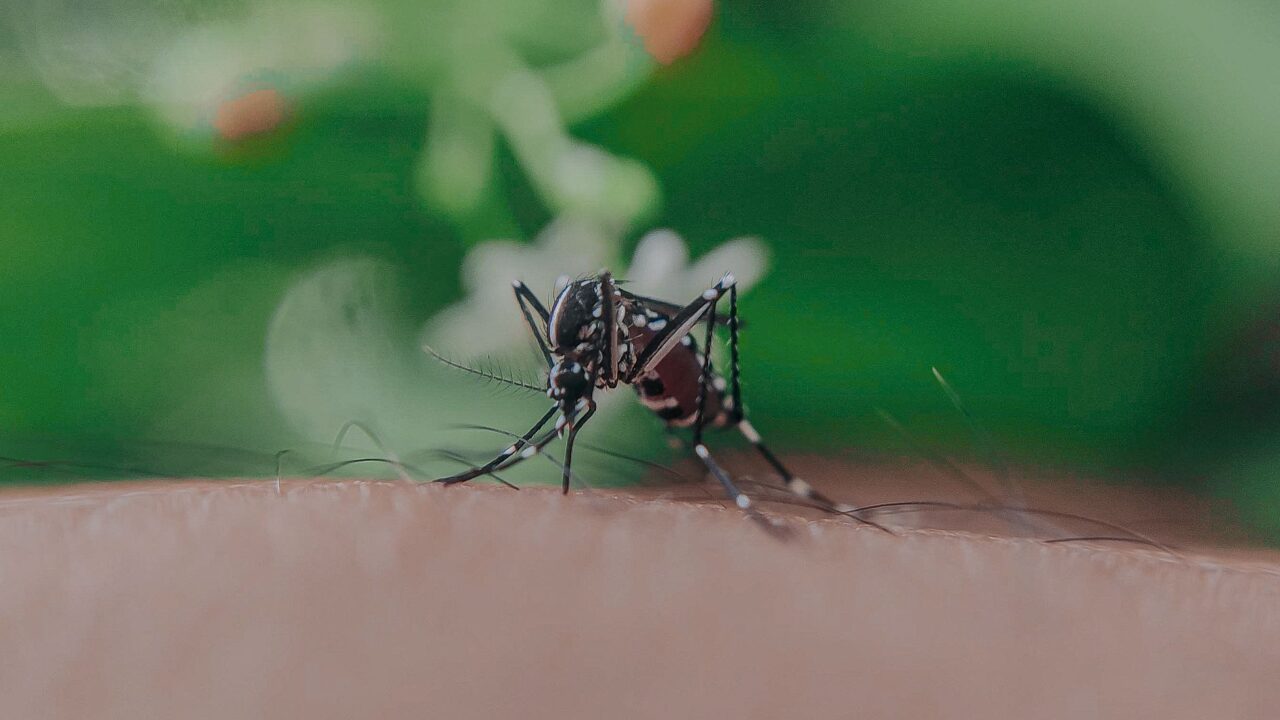
Many people assume mosquitoes follow a clear seasonal pattern like in temperate countries. So when is mosquito season in Singapore? Because of our tropical climate, the honest answer is that mosquitoes are active all year, but there are higher-risk periods worth knowing about so you can protect your home when it matters most.
Is there really a mosquito season in Singapore?
Unlike countries with cold winters that kill off mosquitoes, Singapore’s warm, humid climate lets mosquitoes breed year-round. So strictly speaking, there’s no off-season — mosquitoes are a constant.
That said, mosquito numbers and dengue risk do rise and fall through the year. When people ask when is mosquito season in Singapore, they’re usually really asking when the risk peaks, and that’s a question worth answering.
When mosquito and dengue risk tends to peak
In Singapore, dengue cases and mosquito activity have historically tended to climb during the warmer months, often around the middle of the year. The combination of higher temperatures and rainfall speeds up the Aedes mosquito’s breeding cycle.
Key drivers of higher-risk periods include:
- Warmer temperatures, which shorten the mosquito breeding cycle and the time the dengue virus takes to develop in the mosquito
- Rainfall, which creates fresh pools of standing water for breeding
- Inter-monsoon and rainy spells, which leave water collecting around homes
Because conditions vary year to year, the safest approach is to stay alert to NEA’s current dengue cluster updates rather than assume a fixed calendar.
Why the weather matters so much
Aedes mosquitoes breed in small amounts of clean, stagnant water and can go from egg to biting adult in around a week in warm conditions. Rain provides the water; heat speeds up the cycle. That’s why a wet, warm stretch can produce a noticeable jump in mosquitoes within a couple of weeks.
Even dry spells aren’t safe, because people often store water or have stagnant pools indoors and in sheltered areas, keeping the Aedes mosquito going.
How to protect your home through higher-risk months
Because mosquitoes never fully disappear, year-round habits matter, with extra vigilance during warm, wet periods. Focus on three things:
- Remove breeding water weekly. Following the NEA Mozzie Wipeout approach, empty and scrub pot trays, vases, gully traps, pails and any container holding water. Step this up during rainy spells.
- Keep mosquitoes out. Screen your windows and doors so they can’t get in while you ventilate naturally. Our no-drill window insect screens are ideal for HDB and condo homes that rely on breezes.
- Protect yourself. Use repellent, especially in the daytime when Aedes are active and during dengue clusters.
For a fuller routine, see our guide on how to find mosquito breeding spots at home and the broader how to get rid of mosquitoes.
A quick seasonal checklist
| When | What to prioritise |
|---|---|
| All year | Weekly breeding-water checks, screened windows |
| Warm, wet spells | More frequent water checks, repellent outdoors |
| During a local dengue cluster | Maximum vigilance, repellent, report concerns |
When to call a professional
Mosquito risk that you can’t control alone is a good reason to bring in help, particularly during peak periods. Consider professional support if:
- You’re in or near an active dengue cluster
- Mosquitoes persist despite removing breeding sites and screening
- You have a garden, drains or large outdoor area that’s hard to manage
Professional mosquito control in Singapore can treat breeding and resting sites ahead of and during the higher-risk months. You can also follow NEA’s Say No to Zika guidance.
The bottom line
There’s no true mosquito season in Singapore in the way colder countries have one — mosquitoes are active all year. But risk rises with warmth and rain, so keep up weekly breeding-water checks and screened windows year-round, and ramp up vigilance during wet, warm spells and dengue clusters.
Why “no season” makes prevention more important, not less
In temperate countries, winter does the pest control for you — cold kills off mosquitoes and gives homes a natural break. Singapore never gets that reset. The Aedes mosquito breeds, bites and spreads dengue twelve months a year, so the habit of dropping your guard in a “low season” simply doesn’t apply here.
That’s actually good news for planning: instead of bracing for one intense season, you maintain a light, steady routine year-round and lean into it during warm, wet stretches. Weekly water checks and permanently screened windows mean you’re never caught out, whatever the weather is doing. Recognising the types of mosquitoes in Singapore helps too — daytime Aedes activity is the cue to step up breeding control, while how to prevent mosquito breeding keeps the routine manageable.
Frequently asked questions
Is there a worst month for mosquitoes in Singapore?
Do mosquitoes disappear during dry spells?
Does heavy rain wash mosquito larvae away?
What bite should I watch for during peak periods?
Does the haze or hot weather affect mosquito numbers?
Should I do anything different during a local dengue cluster?
Related guides
- How to get rid of mosquitoes
- How to find mosquito breeding spots at home
- How to prevent mosquito breeding
- Types of mosquitoes in Singapore
- What do dengue mosquito bites look like
*Want year-round protection from mosquitoes? Get a free quote from Insect Out or fit our window insect screens.*