What Do Dengue Mosquito Bites Look Like?
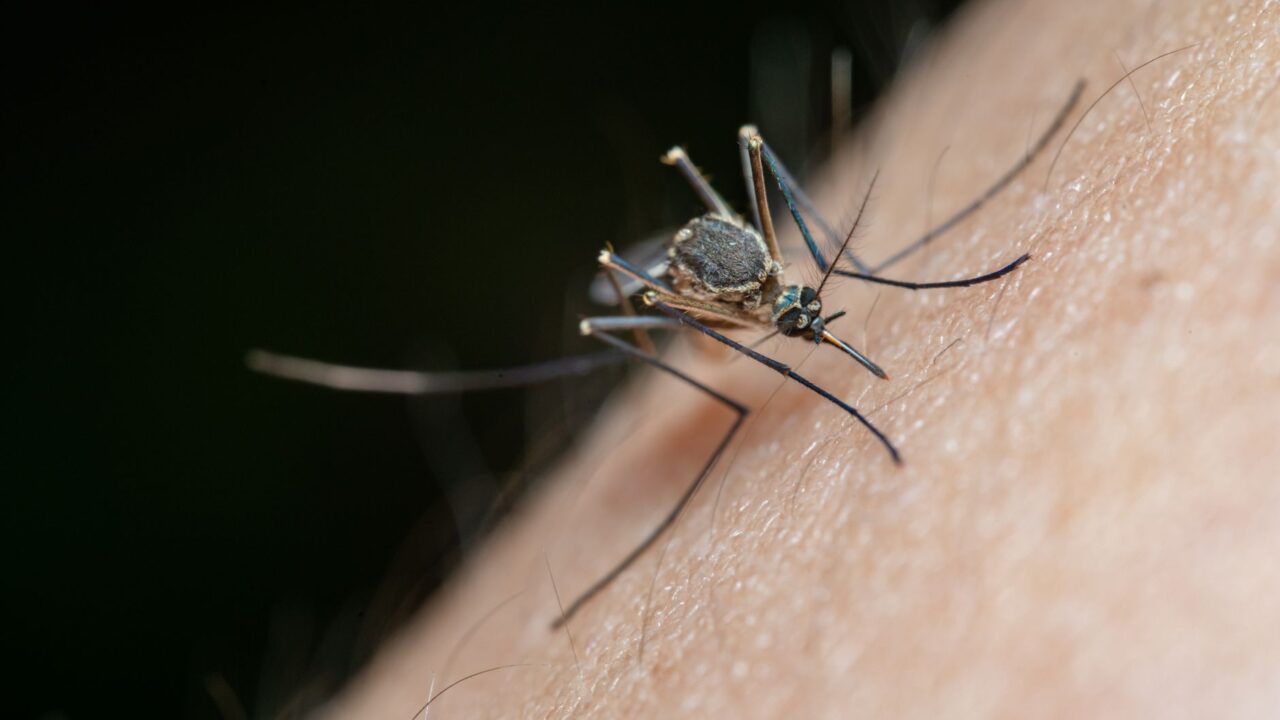
With dengue a recurring concern in Singapore, many people anxiously inspect bites wondering if they’re at risk. The truth about a dengue mosquito bite mark is important to understand: the bite itself looks like any other mosquito bite. What matters is the mosquito that bit you and the symptoms that may follow. Here’s what to look for and when to act.
Does a dengue mosquito bite mark look different?
This is the key point: a dengue mosquito bite mark looks the same as a normal mosquito bite. You cannot tell from the bite alone whether the mosquito was carrying dengue.
A typical Aedes mosquito bite is:
- A small, round, raised red bump
- Itchy, often immediately
- Sometimes with a paler raised centre
- On any exposed skin
So if you’re searching for a special-looking mark, there isn’t one. The Aedes mosquito, which spreads dengue and Zika in Singapore, leaves an ordinary-looking bite. What distinguishes dengue is not the mark but the illness that may develop afterwards.
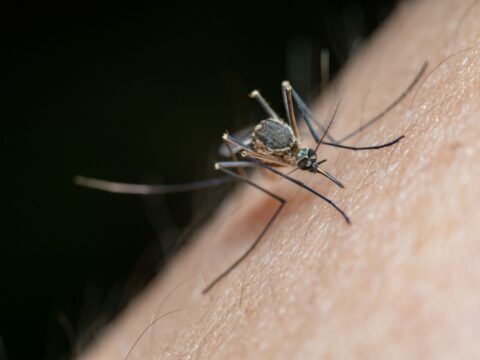
How to recognise the Aedes mosquito
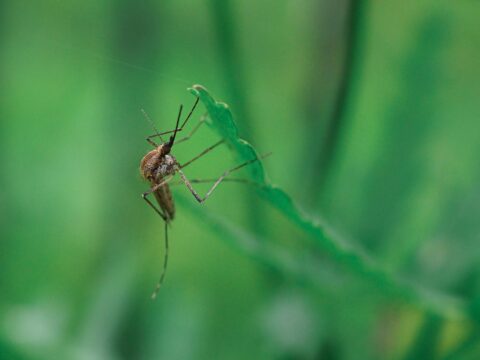
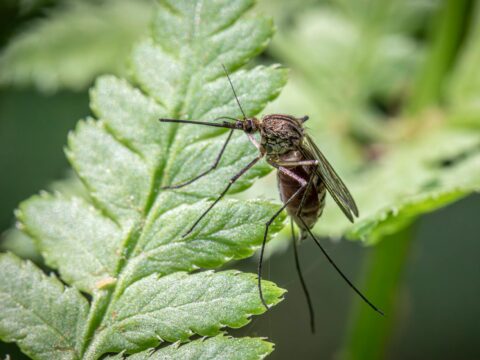
Since the bite looks ordinary, knowing the mosquito helps you judge risk. The Aedes aegypti mosquito:
- Is small and dark with distinctive white markings on its body and legs
- Is most active in the daytime, particularly early morning and late afternoon
- Tends to bite around the ankles and elbows
- Breeds in small pools of clean, stagnant water near homes
Seeing this kind of mosquito, especially during the day, is more telling than examining the bite mark.
Dengue symptoms to watch for
What actually matters after an Aedes bite is whether dengue symptoms appear, typically several days to two weeks later. Watch for:
- Sudden high fever
- Severe headache, often behind the eyes
- Muscle, joint and bone aches (“breakbone fever”)
- Nausea, vomiting and loss of appetite
- A skin rash, which may appear a few days into the illness
- Mild bleeding, such as nose or gum bleeding
Warning signs that need urgent medical attention include severe abdominal pain, persistent vomiting, bleeding, difficulty breathing, or feeling very unwell. This is general information, not a diagnosis.
When to see a doctor
You should see a doctor if:
- You develop a fever within two weeks of mosquito bites
- You have the symptoms above, especially in or near a dengue cluster
- Any warning signs appear, in which case seek care promptly
Dengue is diagnosed by a doctor, often with a blood test, not by looking at a bite mark. If in doubt, get checked, particularly during Singapore’s higher-risk periods.
Caring for the bite itself
For the bite, regardless of dengue risk:
- Wash with mild soap and water
- Apply a cold compress to reduce swelling
- Use an anti-itch cream if needed
- Avoid scratching to prevent infection
The focus, though, should be on watching for symptoms rather than the bite mark.
Reducing your risk
Since you can’t identify a dengue mosquito bite mark, prevention is everything. In Singapore that means:
- Remove breeding water weekly — empty pot trays, vases, gully traps and containers, following the NEA Mozzie Wipeout approach.
- Use repellent, especially during the day and in cluster areas.
- Screen your windows so Aedes mosquitoes can’t get in. Our no-drill window insect screens suit naturally ventilated HDB and condo homes.
You can read NEA’s Say No to Zika guidance and our article on how to get rid of mosquitoes for more.
When to call pest control
If you’re seeing daytime Aedes mosquitoes, are near a dengue cluster, or can’t control breeding around your home, professional help reduces risk. Professional mosquito control in Singapore targets breeding and resting sites that DIY can miss.
The bottom line
A dengue mosquito bite mark looks just like any mosquito bite, so don’t rely on the mark itself. Instead, recognise the daytime-biting Aedes mosquito, watch for fever and dengue symptoms in the following days, see a doctor if they appear, and focus on preventing bites in the first place.
Dengue, Zika and chikungunya: the same mosquito
It’s worth knowing that the Aedes mosquito doesn’t only carry dengue. The same daytime biter can transmit Zika and chikungunya, which is why Singapore’s prevention messaging treats all three together. The practical takeaway is reassuring: you don’t need to identify which virus a mosquito might carry. Controlling Aedes mosquitoes and avoiding bites protects against all of them at once.
Because the Aedes is a daytime feeder that lingers around homes, the prevention that matters happens at home — clearing breeding water and stopping them getting indoors. To recognise the mosquito itself versus the harmless night-time kinds, see our guide on types of mosquitoes in Singapore. And since the bite mark is identical to an ordinary one, how to stop mosquito bites from itching covers comfort while you watch for symptoms.
Frequently asked questions
How soon after a bite would dengue symptoms appear?
Can a single bite cause dengue?
Does the bite swell more if it carries dengue?
When is Aedes most active?
Can you catch dengue twice?
If my bite doesn’t itch, am I safe from dengue?
Related guides
- Types of mosquitoes in Singapore
- How to get rid of mosquitoes
- How to stop mosquito bites from itching
- Mosquito season in Singapore
- Bed bug bites vs mosquito bites
*Worried about Aedes mosquitoes at home? Get a free quote from Insect Out or fit our window insect screens to keep them out.*