Bed Bug Bites vs Mosquito Bites: How to Tell Them Apart
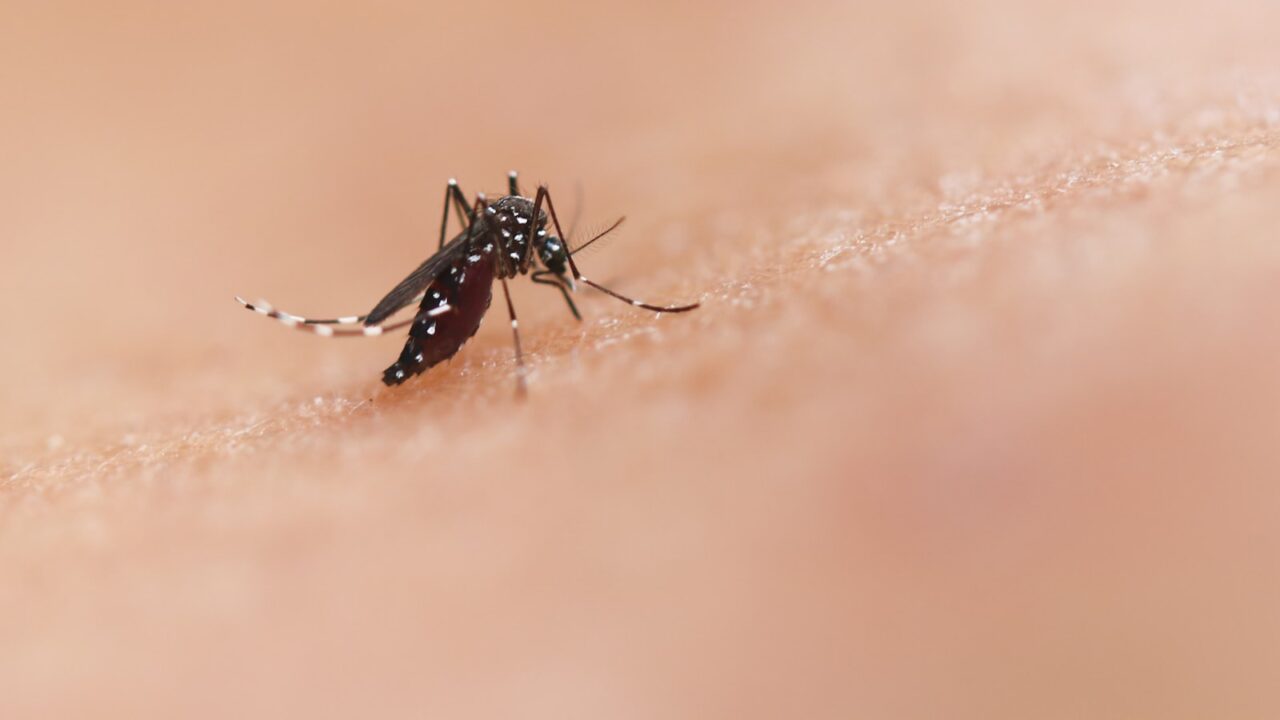
Itchy red bumps could come from either, but bed bug bites vs mosquito bites is a comparison worth getting right, because the two mean completely different things for your home. One points to a hidden infestation in your bed; the other to standing water and open windows. Here’s how to tell them apart in a Singapore context, and what to do once you know.
Why the difference matters
Both bites itch, both go red, and both can appear without you noticing the culprit. But the response is entirely different:
- Mosquito bites point to mosquitoes getting indoors and breeding nearby. In Singapore, that also raises the concern of Aedes mosquitoes and dengue.
- Bed bug bites point to bed bugs living in your mattress or furniture, which need targeted treatment to clear.
Misreading the signs can mean weeks of treating the wrong problem, so the comparison is more than academic.
Bed bug bites vs mosquito bites: the key differences
| Feature | Bed bug bites | Mosquito bites |
|---|---|---|
| Pattern | Lines or small clusters | Random, scattered |
| Timing | Appear overnight | Day, dusk or night |
| Location | Skin exposed in bed | Any exposed skin |
| Appearance | Flat-to-raised red bumps | Puffy, raised welts, often with a pale centre |
| Itch onset | Can be delayed | Usually immediate |
| You notice the bug | Almost never | Often, you hear or see it |
The two biggest tells are pattern and timing. Bed bug bites often line up in a row or cluster on areas touching the bed and appear overnight. Mosquito bites are scattered, can happen any time, and you’ll frequently notice the mosquito itself.
The single most reliable clue: physical evidence
Bites alone are unreliable because reactions vary so much between people. The way to be sure is to look for evidence in your environment.
For bed bugs, check the bed for:
- Tiny dark droppings in mattress seams
- Small blood spots on sheets
- Shed skins or pale eggs in crevices
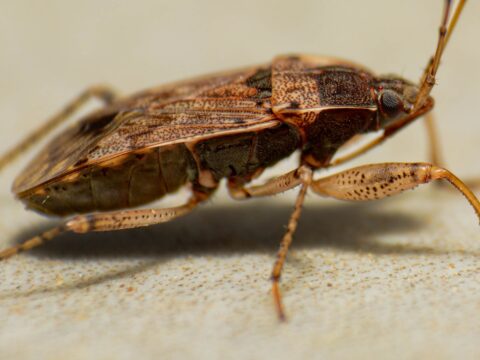
- Live, apple-seed-sized reddish-brown bugs
Our guide on how to check for bed bugs walks through exactly where to look.
For mosquitoes, check your home for:
- Standing water in pots, trays, gully traps and drains
- Mosquitoes active around dawn and dusk
- Bites that stop when windows are screened
What to do if it’s mosquito bites
If the evidence points to mosquitoes, focus on breeding control and keeping them out:
- Remove or empty any standing water weekly (the NEA Mozzie Wipeout principle)
- Use repellent, especially for children and during dengue clusters
- Screen windows and doors to keep them out
Because Aedes mosquitoes spread dengue and Zika in Singapore, reducing indoor mosquitoes matters for health, not just comfort. Our mosquito control in Singapore service can help if numbers are high, and window insect screens keep them out while letting air through.
What to do if it’s bed bug bites
If the evidence points to bed bugs, act quickly:
- Don’t move the mattress or furniture to other rooms
- Wash and hot-dry bedding
- Avoid random insecticide sprays
- Arrange a proper inspection
Bed bugs rarely clear with DIY alone. Professional bed bug treatment in Singapore is usually the reliable route.
Caring for the bites themselves
Whichever it is, treat the bites the same way: wash with mild soap, apply a cold compress, use an anti-itch cream if needed, and avoid scratching. See a doctor if a bite becomes very swollen, infected, or you develop fever or a severe reaction. This is general guidance only.
The bottom line
The bed bug bites vs mosquito bites question is best answered by looking, not just at the skin, but at your home. Lines of overnight bites plus dark spots on the mattress mean bed bugs. Scattered bites plus mosquitoes around the home mean a mosquito problem. Confirm the source, then treat the right one.
What if it’s neither?
Sometimes a careful look turns up no mosquitoes and no bed bug evidence — and the bites still keep coming. Before assuming the worst, consider the other common biters in a Singapore home:
- Fleas, especially with pets, tend to cluster around the ankles and lower legs. See flea bites on humans.
- Mites and midges can leave bites that are hard to trace to a source.
- Heat rash or an allergic skin reaction can mimic bites entirely, particularly in our humidity.
Our guide on bites but no signs of bed bugs works through these alternatives step by step, and how to identify bug bites compares the patterns across insects. The point is simple: match the bite to the evidence in your environment before you spend money treating the wrong thing.
Frequently asked questions
Do bed bug bites itch more than mosquito bites?
Can I have both at once?
Why do mosquito bites have a pale raised centre?
How do I stop the itching either way?
If bites only appear at night, is it definitely bed bugs?
Do mosquito bites and bed bug bites need different aftercare?
Related guides
- What do bed bug bites look like
- Bites but no signs of bed bugs
- How to identify bug bites
- How to stop mosquito bites from itching
- What do dengue mosquito bites look like
*Not sure what’s biting you? Get a free quote from Insect Out and we’ll help you identify and solve it.*