Why Do Mosquitoes Bite Me More Than Others?
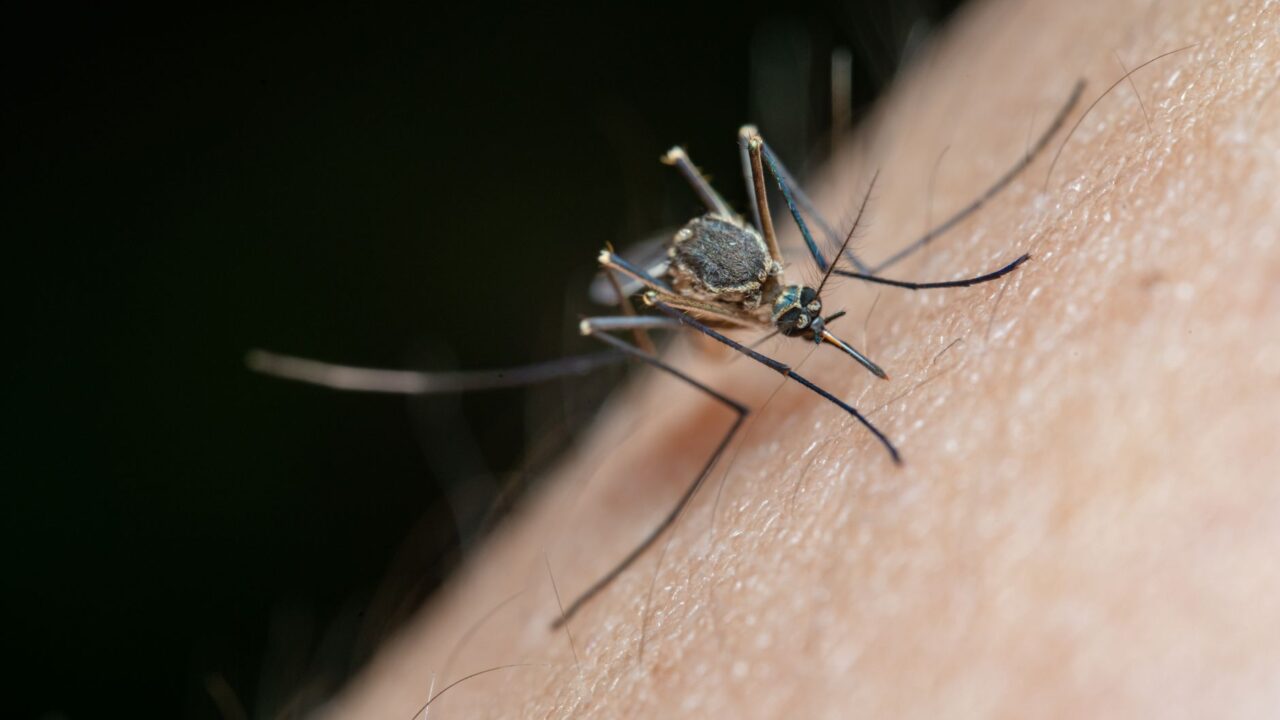
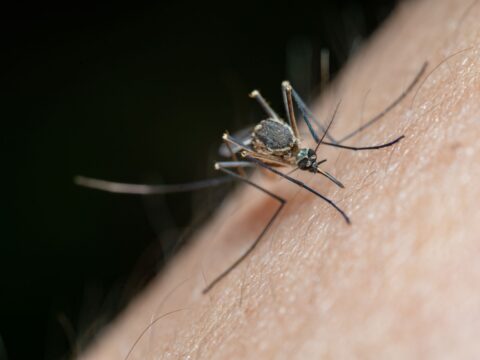
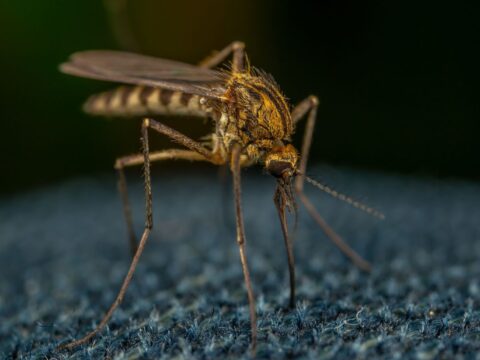
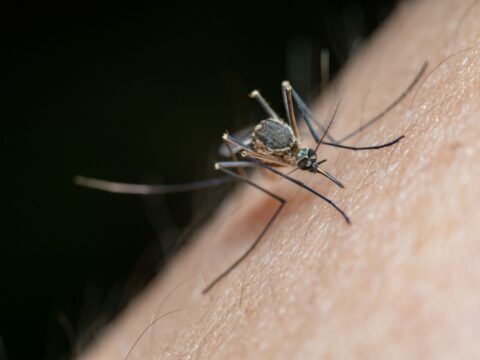
If you always seem to be the one covered in bites while everyone else is fine, you’re not imagining it. “Why do mosquitoes bite me more than others?” is a genuine question with real answers — mosquitoes do find some people more attractive than others. Here’s what the science suggests, with honest caveats, and what you can do about it in Singapore.
Why Do Mosquitoes Bite Me More?
Mosquitoes (including Singapore’s Aedes) find hosts using a mix of cues: the carbon dioxide we exhale, body heat, and the chemicals on our skin. People who give off more of these signals tend to get bitten more. So if you’re asking why mosquitoes bite you more, it usually comes down to how strongly you broadcast these attractants — much of which is outside your control.
Factors That Make You More Attractive
Several factors are commonly linked to being bitten more often:
- Carbon dioxide — mosquitoes home in on CO2, so people who exhale more (larger adults, and people who are active or pregnant) can attract more.
- Body heat and sweat — mosquitoes sense warmth and the lactic acid and other compounds in sweat, so being hot or having just exercised makes you a bigger target.
- Skin chemistry — the unique mix of bacteria and compounds on your skin varies from person to person and influences how appealing you are.
- Blood type — some studies suggest certain blood types may be more attractive, though the evidence is mixed; treat it as a possible minor factor, not a certainty.
- Pregnancy — pregnant people tend to exhale more CO2 and run slightly warmer, which can increase bites.
- Movement and dark clothing — mosquitoes are drawn to movement and can find darker colours easier to target.
It’s worth being honest: researchers don’t fully understand every reason, and individual differences are real. But these factors explain most of the pattern.
What You Can Actually Change
You can’t change your blood type or basic biology, but you can reduce how much you attract mosquitoes:
- Shower after exercise to wash off sweat and lactic acid.
- Wear light-coloured, loose clothing, ideally long sleeves in mosquito-prone areas.
- Use repellent with a proven active ingredient on exposed skin, especially at dawn and dusk when Aedes are active.
- Stay cool and dry where you can — fans also make it harder for mosquitoes to land.
- Avoid scented products if you find they coincide with more bites.
Why It Matters in Singapore
In Singapore, mosquito bites aren’t just an itch — the Aedes mosquito spreads dengue and Zika. If you’re someone mosquitoes love, you have extra reason to protect yourself and to keep them out of your home. Our Say No to Zika resource explains why bite prevention is a public-health priority here.
The Most Reliable Protection: Don’t Get Bitten Indoors
You can’t change your biology, but you can change your environment. Reducing the mosquitoes around you is far more effective than trying to become “less tasty”:
- Screen windows and doors so mosquitoes can’t get indoors — see our window insect screens for a no-drill option that keeps airflow.
- Remove breeding sites weekly (plant plates, pails, gutters) so fewer mosquitoes hatch nearby.
- Use repellent and nets for sleeping areas if mosquitoes are getting in.
For tips on stopping the next generation, see our guide on how to prevent mosquito breeding.
Myths Worth Letting Go Of
A few common beliefs don’t hold up well, so don’t rely on them:
- “Eating garlic / taking vitamin B keeps mosquitoes away.” There’s little reliable evidence these work — don’t depend on them.
- “Sweet blood attracts mosquitoes.” Catchy, but not how it works; it’s CO2, heat and skin chemistry that matter.
- “If I sit still, they won’t find me.” Movement helps them target you, but they’ll still find you by CO2 and warmth.
The dependable strategy isn’t a food trick — it’s reducing the mosquitoes around you and using proven repellents when you’re exposed.
When to Call a Professional
If you’re constantly bitten at home despite screening and weekly source reduction, there may be a breeding site or population nearby you can’t reach. Professional mosquito control in Singapore can find hidden sources and reduce the mosquitoes around your home.
Does the Time of Day Matter?
It’s not just *who* you are — *when* you’re exposed matters too. Singapore’s Aedes mosquitoes are most active in the few hours after dawn and before dusk, so if you garden, exercise or relax on the balcony at those times, you’ll naturally collect more bites regardless of your biology. A few practical adjustments:
- Time outdoor activity away from peak biting hours where you can.
- Cover up at dawn and dusk with long, loose sleeves if you’re out then.
- Keep repellent handy for those windows specifically, rather than all day.
This is also why bites often feel worse in the evening at home — it lines up with peak mosquito activity and with windows being open. Pairing screens with that awareness makes a noticeable difference. For how the bites themselves look, including the dengue-carrying species, see what dengue mosquito bites look like.
Frequently asked questions
Is it true some people just get bitten more?
Does blood type decide who gets bitten?
Will eating garlic or taking vitamin B help?
What’s the single best thing I can do?
Related guides
- How to prevent mosquito breeding
- Best mosquito repellent in Singapore
- DEET vs picaridin repellent
- What dengue mosquito bites look like
- How to stop mosquito bites from itching
*Always the one getting bitten? Cut the mosquitoes around you with help from our mosquito control team.*