Dust Mites & Allergies: How to Reduce Them at Home

Singapore’s warm, humid climate is ideal for dust mites — microscopic creatures that live in bedding, soft furnishings and carpets. For many people, a dust mite allergy is the hidden cause of constant sneezing, a blocked nose or worsening asthma. This guide explains what dust mites are, how a dust mite allergy works, and practical ways to reduce them at home.
What Are Dust Mites?
Dust mites are tiny relatives of spiders, far too small to see. They feed on the flakes of dead skin that people and pets shed every day, and they thrive in warm, humid environments — exactly the conditions inside most Singapore homes.
They gather where skin flakes collect: mattresses, pillows, bedding, sofas, soft toys, curtains and carpets. It isn’t the mites themselves that cause problems but the allergens in their droppings and body fragments, which become part of household dust.
How a Dust Mite Allergy Affects You
A dust mite allergy is one of the most common indoor allergies. Breathing in the allergens can cause:
- Sneezing and a runny or blocked nose
- Itchy, watery or red eyes
- Coughing and post-nasal drip
- Eczema flare-ups in some people
- Worsening asthma — wheezing, chest tightness and night-time symptoms
Symptoms are often worst in the morning, since mites concentrate in bedding and you spend hours there each night.
Why Singapore Homes Are High-Risk
Dust mites need humidity to survive, and Singapore’s consistently high humidity gives them perfect conditions year-round. There’s no cold, dry season to knock their numbers back as there is in temperate countries. That makes ongoing control — rather than one-off cleaning — the realistic goal here.
How to Reduce Dust Mites in the Bedroom
The bedroom is the priority, since that’s where exposure is highest.
- Wash bedding weekly in hot water. Hot washing is more effective at removing mites and allergens than cold.
- Use allergen-proof covers on mattresses and pillows — tightly woven covers block mites and their waste.
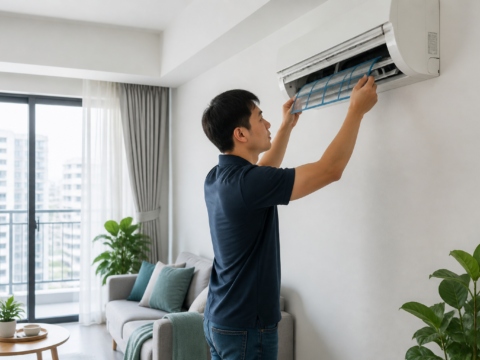
- Reduce humidity. Air-conditioning and dehumidifiers help lower the humidity mites depend on.
- Air and sun bedding where possible.
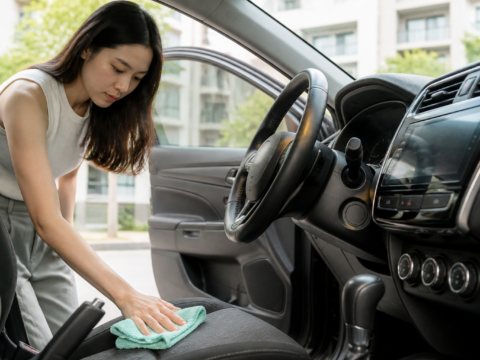
- Vacuum the mattress and floor regularly, ideally with a HEPA-filter vacuum.
- Replace old pillows periodically, as they accumulate allergens over time.
For a step-by-step routine, see our detailed guide on how to get rid of dust mites.
Reducing Dust Mites Around the Home
| Area | Action |
|---|---|
| Sofas & soft furnishings | Vacuum regularly; choose wipeable surfaces where possible |
| Curtains | Wash periodically or switch to blinds |
| Carpets & rugs | Minimise in bedrooms; vacuum often if kept |
| Soft toys | Wash hot, or freeze overnight then wash |
| Whole home | Keep humidity down with aircon or a dehumidifier |
Lowering humidity is the single most powerful long-term lever in Singapore, because mites simply can’t thrive in drier air.
Dust Mites vs Other Indoor Pests
A dust mite allergy is sometimes confused with reactions to other indoor pests like cockroaches, which also trigger asthma. If symptoms persist despite good dust-mite control, it’s worth checking your home for other pests too. Our overview of pest control in Singapore covers the common indoor culprits.
See a Doctor If…
See a doctor if you have persistent nasal or eye symptoms, worsening or poorly controlled asthma, frequent night-time coughing or wheezing, or skin flare-ups you can’t manage. A doctor can confirm whether a dust mite allergy is the cause through testing and recommend treatment. Seek urgent care for any serious breathing difficulty.
Common Myths About Dust Mites
A few misconceptions make dust mite control harder than it needs to be:
- “A clean-looking home has no dust mites.” Mites live deep in mattresses and fabrics, not just visible dust, so appearance tells you little.
- “Bites cause the symptoms.” Dust mites don’t bite. The allergy comes from breathing in their droppings and fragments.
- “One big clean fixes it.” In humid Singapore, mites rebuild quickly. Ongoing routine beats occasional deep cleans.
- “Air fresheners or sprays solve it.” These mask odour but don’t remove allergens; washing and humidity control do the real work.
Understanding what actually drives a dust mite allergy helps you spend effort where it counts.
Building a Simple Routine
You don’t need to overhaul your home overnight. Start with the bedroom — hot-wash bedding weekly, add allergen-proof covers, and run the aircon or a dehumidifier at night. Once that’s a habit, extend to sofas, curtains and soft toys. Small, consistent steps lower allergen levels more reliably than an occasional big effort.
You may not eliminate dust mites entirely in our climate, but consistent bedding care and humidity control can meaningfully reduce a dust mite allergy and help you breathe easier.
Dust Mites and Children
Children spend long hours in bed and on carpets and soft play mats, so they can be especially exposed to dust mite allergens, and early exposure is associated with allergy and asthma sensitivity. Practical steps help: keep soft toys in the bedroom to a minimum, wash the favourites hot (or freeze them overnight, then wash), choose wipeable flooring over carpet in the bedroom where you can, and run the aircon to keep the room drier at night. If a child has persistent night-time coughing, wheezing or a constantly blocked nose, it’s worth raising with a doctor, who can test for a dust mite allergy and advise on treatment.
Dust Mites vs Cockroach Allergens
Both are major indoor triggers in humid Singapore, and homes often have both at once. The difference is where they live and how you tackle them: dust mites concentrate in bedding and soft furnishings and are managed with washing and humidity control, while cockroach allergens come from droppings and shed skins and are managed by clearing the cockroaches at the source and cleaning up. If you’ve controlled dust mites well but symptoms persist, cockroaches are a common second culprit worth ruling out — see our guide on cockroach allergy and asthma.
Frequently Asked Questions
Do dust mites bite?
Does washing in hot water really matter?
Will a dehumidifier help?
Can I ever get rid of dust mites completely?
Related guides
- How to get rid of dust mites
- Dust mites vs bed bugs
- Best dust mite spray Singapore
- Cockroach allergy and asthma
- Mite bites: identification and treatment
- Pest control in Singapore
*Tackling indoor allergens beyond dust mites? Get a free pest control quote and we’ll help identify what’s affecting your home.*