How to Get Rid of Bats in Your Home (Singapore)
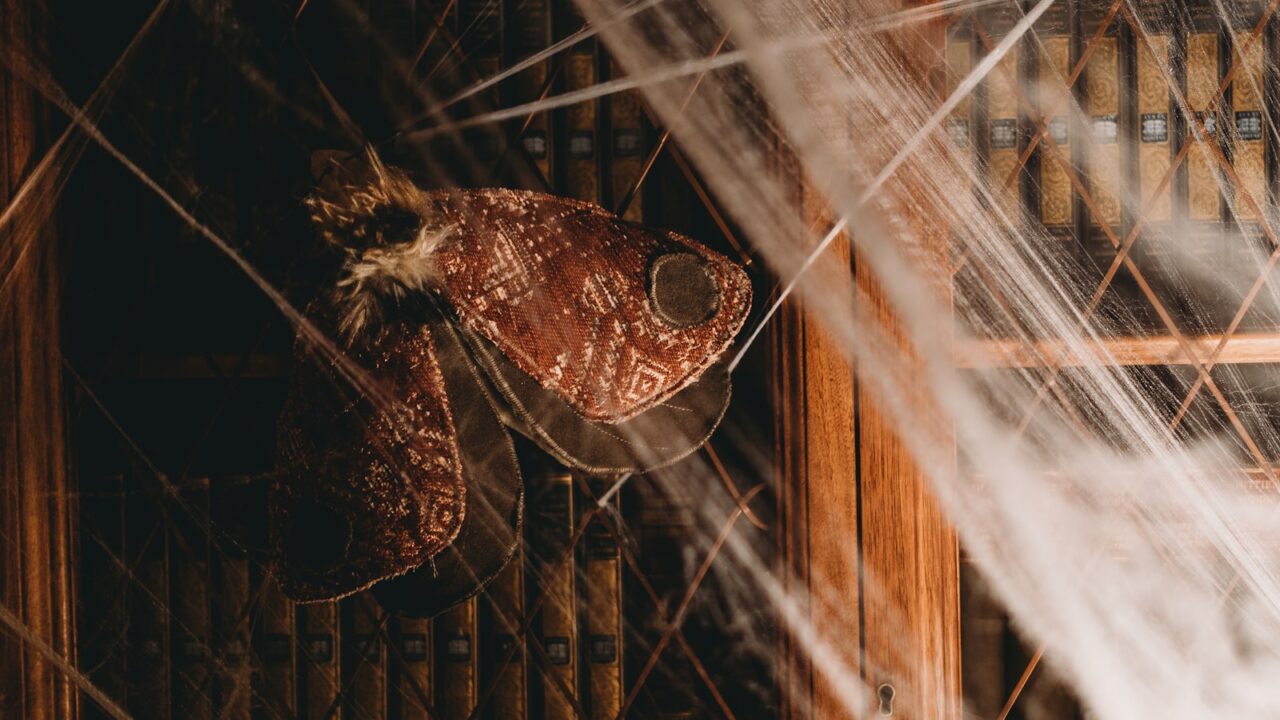
A bat fluttering across your living room or roosting under a ledge can be unsettling, but bats are protected, beneficial wildlife in Singapore — they eat huge numbers of insects, including mosquitoes. If you have bats in your house, the goal is humane, legal exclusion: get them out, then seal up so they can’t return. Here is how.
Bats in Singapore: What to Know
Singapore is home to many bat species, from tiny insect-eating bats to large fruit bats. The ones most likely to roost around homes are small insectivorous bats that squeeze into gaps, eaves, awnings and roof voids.
Important facts:
- Bats are protected wildlife in Singapore — it is illegal to harm or kill them.
- They are not aggressive and do not attack people.
- A single bat that flies indoors has usually just lost its way and wants to get out.
- Insect-eating bats are natural pest controllers, so deterrence and exclusion (not killing) is the right approach.
Why Bats Roost Around Homes
Bats look for dark, sheltered, undisturbed spaces to rest during the day. Around homes that means:
- Gaps under roof tiles, eaves and soffits
- Behind awnings, signboards and ledges
- Inside ventilation gaps and false ceilings
- Quiet corners of car porches and corridors
They are drawn to areas with plenty of insects to feed on at night — bright outdoor lights that attract bugs can indirectly attract bats.
How to Get a Single Bat Out of a Room
If one bat has flown indoors, you usually don’t need to do much:
- Stay calm and keep pets and children out of the room.
- Switch off the lights and open windows and doors to the outside.
- Give it space — most bats find their own way out within a few minutes.
- Don’t chase or hit it. Don’t handle a bat with bare hands.
- If it lands and won’t leave, you can guide it out, but never touch it directly — use a box or thick cloth and release it outside, or call for help.
If anyone is bitten or scratched by a bat, see a doctor, as bites should always be assessed.
How to Get Rid of a Roost (Humanely & Legally)
A roost in your roof or under a ledge needs exclusion, not extermination. The principle is: let the bats leave on their own, then seal the gaps so they cannot return.
- Find the entry/exit gaps — watch at dusk to see where bats emerge.
- Don’t seal them in. Sealing gaps while bats are inside traps and kills them, which is both inhumane and illegal.
- Avoid sealing during breeding season, when flightless young may be present.
- Wait until the bats are out (at night) before closing gaps.
- Seal all openings with sturdy mesh or board so they can’t re-enter.
- Wear gloves and a mask when cleaning any droppings, and ventilate the area.
| Do | Don’t |
|---|---|
| Let bats leave on their own | Trap or seal them inside |
| Seal gaps at night when bats are out | Block roosts during breeding season |
| Use deterrence and exclusion | Use poison or try to kill them |
| Call NParks/ACRES if unsure | Handle bats with bare hands |
Keeping Bats From Coming Back
Once the roost is empty and sealed:
- Close all gaps into roof voids, eaves and ledges with durable material.
- Fit mesh over ventilation openings.
- Reduce night-time insect swarms by switching outdoor lights to warmer, less attractive tones — fewer insects means less reason for bats to feed near your home.
- Fit window insect screens to keep both insects and the occasional stray bat out of living spaces. Our window insect screens are a no-drill option for HDB and condo windows, and HDB insect screens are sized for standard flat windows.
A Note on Bat Droppings and Health
If a roost has been in place for a while, you will likely find a build-up of droppings (guano) beneath it. Handle this sensibly rather than fearfully. Dried droppings and dust can irritate the airways, so the practical precautions are to wear gloves and a well-fitting mask, dampen the material before clearing it to keep dust down, ventilate the space, and wash up afterwards. Bag the waste sealed for disposal. This is not a reason to panic or to rush into harming the bats — it is simply ordinary hygiene for any animal mess. If the build-up is large, in an awkward roof void, or you would rather not deal with it, this is a sensible point to bring in help. Remember the trade-off, too: insect-eating bats quietly remove large numbers of mosquitoes and other night insects, so excluding them from the building while letting them keep foraging nearby is the balanced outcome.
Frequently Asked Questions
Are bats in Singapore dangerous?
Why can’t I just block the gap now?
What attracts bats to my home?
Do bats come back after exclusion?
When to Call for Help
If you have a large or established roost, can’t safely reach the gaps, or are unsure how to exclude bats without harming them, get expert advice. For protected wildlife, you can contact NParks or the ACRES Wildlife Rescue Hotline.
For sealing, droppings clean-up and related pest issues, our pest control team in Singapore can advise on humane, legal exclusion.
Related Guides
- Getting rid of squirrels
- Is the civet cat dangerous?
- Mosquito control in Singapore
- Window insect screens
*Bats roosting around your home? Get a free quote for humane exclusion advice.*