How to Get Rid of Squirrels (Singapore)
Squirrels are a familiar sight in Singapore’s greenery, but they become a nuisance when they nest in a roof, gnaw at fittings or raid a balcony garden. If you are wondering how to get rid of squirrels around your home, the answer is humane deterrence and exclusion — not trapping or harming them. This guide walks through what works and what to avoid.
Squirrels in Singapore: What You’re Dealing With
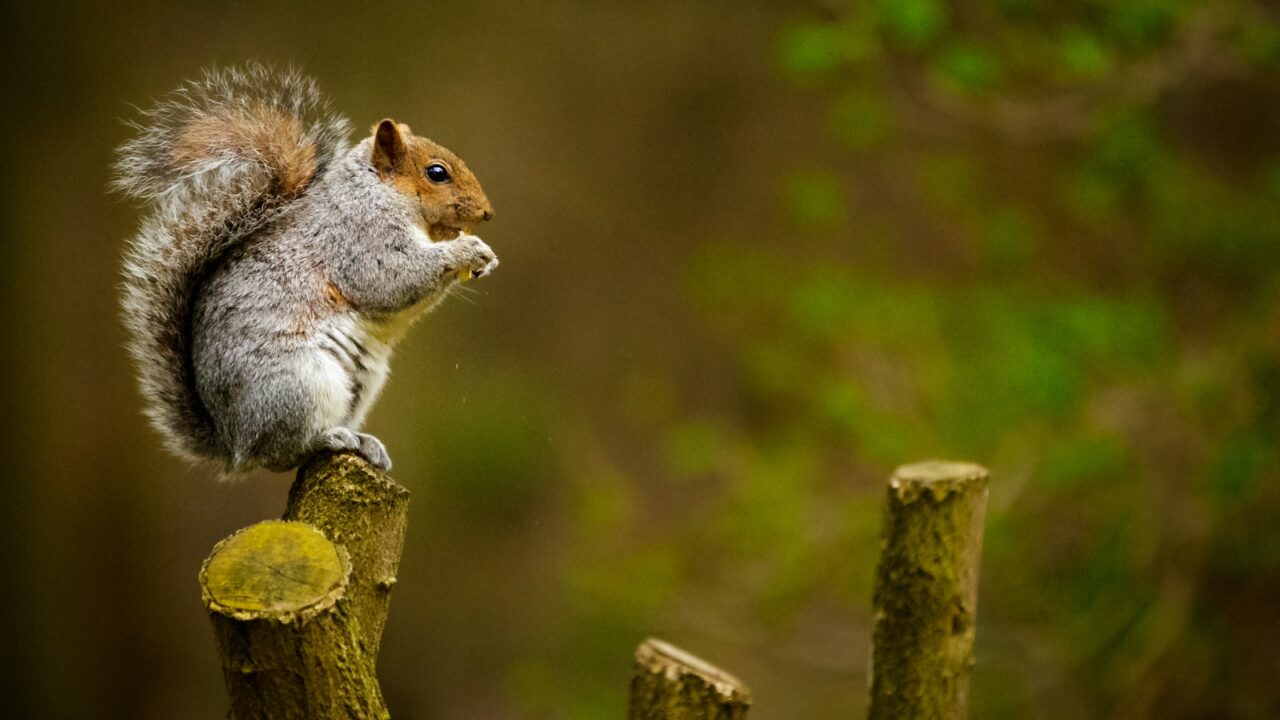
The most common species you will see is the plantain squirrel, a small reddish-brown squirrel native to the region. They live in trees and are most active by day, feeding on fruit, seeds, shoots and the occasional insect.
Problems start when squirrels move from trees onto buildings, drawn by food or shelter. In landed homes and lower-floor condos they may:
- Nest in roof spaces, eaves or false ceilings
- Gnaw on wood, wiring, water pipes and outdoor furniture
- Raid balcony gardens, fruit trees and potted plants
- Leave droppings and noise overhead
Native wildlife is protected in Singapore, so the focus must be on deterring and excluding squirrels humanely rather than killing them.
Why Squirrels Come to Your Home
Squirrels show up for two reasons: food and shelter.
- Food: fruiting plants, vegetable gardens, bird feeders, exposed bins and pet food left outside.
- Shelter: gaps into roof voids, eaves and ceilings make warm, safe nesting sites away from predators.
- Access: overhanging branches and cables act as highways onto your roof and balcony.
Remove the food and seal the shelter, and most squirrels will move on.
How to Get Rid of Squirrels Humanely
The reliable approach is to make your home unrewarding and inaccessible.
- Cut the food supply. Harvest ripe fruit promptly, cover compost, secure bins, and don’t leave pet food or bird seed outdoors.
- Protect your plants. Use netting or mesh cages over vegetable beds and fruiting plants on balconies.
- Trim back branches that overhang the roof or balcony — aim for a gap so squirrels can’t jump across.
- Seal entry points. Find and close gaps into the roof, eaves, soffits and ceiling voids with sturdy material squirrels can’t gnaw through (they chew soft sealants).
- Remove nesting spots in cluttered storage areas and unused corners.
- Use simple deterrents like motion-activated lights near problem spots; squirrels prefer undisturbed areas.
Avoid poisons and lethal traps. Beyond the wildlife protection concerns, a dead animal in a wall cavity creates a smell and pest problem of its own.
Sealing Squirrels Out: The Lasting Fix
Exclusion is what stops squirrels for good. Once you are sure no animal is trapped inside, close every access point.
| Gap | Fix |
|---|---|
| Roof/eave gaps | Seal with metal mesh or hard board |
| Ventilation openings | Cover with sturdy mesh, not flimsy plastic |
| Balcony and window openings | Fit fine mesh screens |
| Pipe and cable penetrations | Pack and seal tightly |
Fitting durable window insect screens and mesh on balcony openings adds a barrier that keeps squirrels (and insects) from getting indoors in the first place. If you grow herbs or vegetables on a balcony, our guide to balcony garden pest control covers protecting plants from squirrels and other raiders.
Timing matters — never seal a void if young squirrels may be inside. Wait until you are certain it is empty, or get help, so you don’t trap animals. A simple check is to lightly block the suspected entry with loose paper for a day or two; if it stays undisturbed, the squirrels have likely moved out and you can seal permanently. Sealing an occupied void can trap and kill the animals, which is both inhumane and creates an odour and secondary-pest problem.
Squirrels vs Rats in the Roof
Noises overhead are not always squirrels, and telling them apart changes how you respond. Squirrels are active in the daytime, make scampering and gnawing sounds while it is light out, and you will often see them using branches and cables to reach the roof. Rats, by contrast, are mostly nocturnal — scratching and scurrying that starts after dark, along with droppings and a musty smell, points to rodents rather than squirrels. The distinction matters because rats are not protected wildlife and are treated differently, including the use of professional baiting where appropriate. If your overhead visitor turns out to be rodents, our guides on rats in the ceiling and getting rid of rats and mice in Singapore cover the right steps. Either way, sealing entry points is the long-term answer.
Frequently Asked Questions
Is it legal to trap or kill squirrels in Singapore?
Do ultrasonic repellents get rid of squirrels?
How do I know if young squirrels are in the roof?
Why are squirrels chewing my wiring?
When to Call a Professional
Get help if squirrels have nested deep in a roof or ceiling, you can’t safely reach or seal the access points, or there is gnawing damage to wiring (a fire risk). A professional can inspect, advise on humane exclusion, and address any related rodent activity.
Our pest control team in Singapore can assess squirrel and rodent problems in landed homes and condos and recommend humane, lasting fixes.
Related Guides
- Getting rid of bats in your home
- Rats in the ceiling: what to do
- How to get rid of rats and mice in Singapore
- Balcony garden pest control in Singapore
- Window insect screens
*Squirrels in the roof or raiding your garden? Get a free quote for humane exclusion advice.*