Dealing With Monkeys in Singapore (Macaques) Safely
If you live near a nature reserve or park, you may have had macaques on your balcony or raiding your kitchen. Monkeys in Singapore are protected wildlife and clever opportunists, so dealing with them safely is about removing temptation and not provoking them — never harming or feeding them. This guide explains how to stay safe and keep macaques out.
Monkeys in Singapore: What to Expect
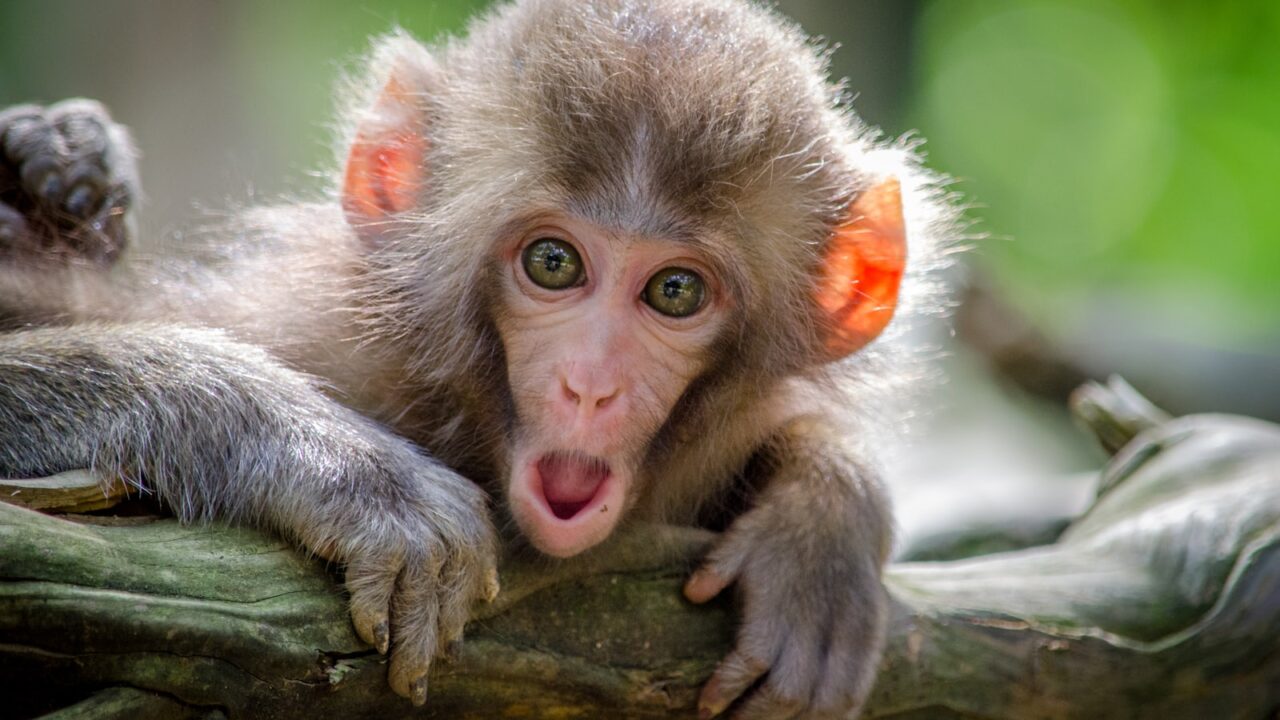
The monkey you will encounter is the long-tailed macaque (*Macaca fascicularis*), Singapore’s only common wild monkey. They live in troops around forested areas such as Bukit Timah, Central Catchment, MacRitchie, and the fringes of estates that border greenery.
Macaques are intelligent and have learned that homes mean easy food. They can open unlocked windows, undo simple latches, and remember which homes reward them. Most conflict happens because food is accessible — not because the monkeys are naturally aggressive.
They are protected under Singapore law. It is illegal to feed, harm or capture them, and feeding (even accidentally, via open bins) is the root of most macaque problems.
Are Macaques Dangerous?
Macaques are usually wary of people, but they can become bold around food. Risks to be aware of:
- They may grab bags or food from people, sometimes snatching aggressively.
- A cornered or threatened monkey, or a mother with young, may bite or scratch.
- Any bite or scratch should be seen by a doctor, as it can carry infection.
The way to avoid trouble is simple: don’t carry visible food past them, don’t tease or corner them, and never feed them.
How to Stay Safe Around Monkeys
If you meet a macaque near your home:
- Stay calm and don’t panic. Sudden movements and screaming can provoke them.
- Don’t make eye contact — a direct stare is read as a threat.
- Don’t show food or eat in front of them. Conceal any food or drinks.
- Back away slowly. Give the monkey space and a route to leave.
- Don’t try to shoo it by hitting or throwing things — this can trigger aggression.
- If a monkey grabs your bag, let it go. Possessions can be replaced.
How to Monkey-Proof Your Home
Removing access to food is the single most effective measure. Macaques only keep visiting homes that pay off.
| Measure | Why it works |
|---|---|
| Keep windows and doors closed/locked when out | Stops opportunistic entry |
| Use monkey-resistant bin lids; don’t leave rubbish out | Removes the main food draw |
| Don’t leave food, fruit or snacks visible indoors | Out of sight reduces interest |
| Never feed monkeys | Feeding creates returning, bolder troops |
| Fit secure mesh screens on windows and balconies | Adds a physical barrier |
Strong, well-fitted window insect screens help keep balconies and kitchens secure against opportunistic entry while still letting air through. For homes that border greenery, balcony insect screens add a barrier on the opening macaques most often test. Combine screens with the habit of keeping food out of sight — a screen helps, but a determined macaque is mostly deterred by there being no reward inside.
Consistency across a block matters too. Macaques learn which estates are rewarding, so when only some neighbours secure their food and windows, the troop simply targets the easier homes. Where macaque visits are frequent, it helps for residents, the condo management or town council to coordinate on bin security and habits so the whole area becomes less appealing.
Common Mistakes That Make Macaque Visits Worse
Plenty of well-meaning responses actually encourage macaques to return, so it is worth knowing what not to do:
- Leaving windows ajar “just for air” while out — this is the single most common way a troop gets indoors and learns your home is worth revisiting. Fit a secure screen instead so you can keep airflow without an open gap.
- Shooing aggressively or throwing objects — this can trigger a defensive bite or scratch and teaches the troop to be confrontational rather than to move on.
- Storing fruit in a bowl by the window — visible food is an open invitation; keep it out of sight, ideally in the fridge or a closed cupboard.
- Feeding “just once” to get a photo — a single feed can rewire a troop’s behaviour for weeks, drawing them back and making them bolder with everyone in the block.
- Using flimsy bin lids — macaques easily flip loose covers; a properly weighted or latched lid removes the biggest food draw of all.
Get these habits right and most homes near greenery see macaque visits drop off quickly, because there is simply nothing to gain.
Who to Contact for Help
If a monkey is inside your home and won’t leave, is injured, or a troop is causing persistent problems in your estate, contact the experts rather than handling it yourself:
- NParks (Animal & Veterinary Service) — the national contact for wildlife and macaque issues.
- ACRES Wildlife Rescue Hotline — for rescue and advice.
For estate-wide issues, your town council or condo management can also coordinate with NParks.
Removing the Underlying Attraction
Macaques and other wildlife are often drawn to areas with easy food, including rubbish and rodents. Keeping bins secure and rodents under control reduces the wider attraction to your block. Our pest control team in Singapore can help manage rodent and food-waste issues that draw wildlife.
Frequently Asked Questions
Why shouldn’t I feed monkeys, even once?
What do I do if a macaque is inside my flat?
Will closing my windows really stop them?
Are macaque bites serious?
Related Guides
- Dealing with monitor lizards in Singapore
- What to do about snakes in Singapore homes
- Is the civet cat dangerous?
- Balcony insect screens
*Wildlife drawn by food waste or rodents near your home? Get a free pest-control quote.*