How to Get Rid of Rats and Mice (Singapore)
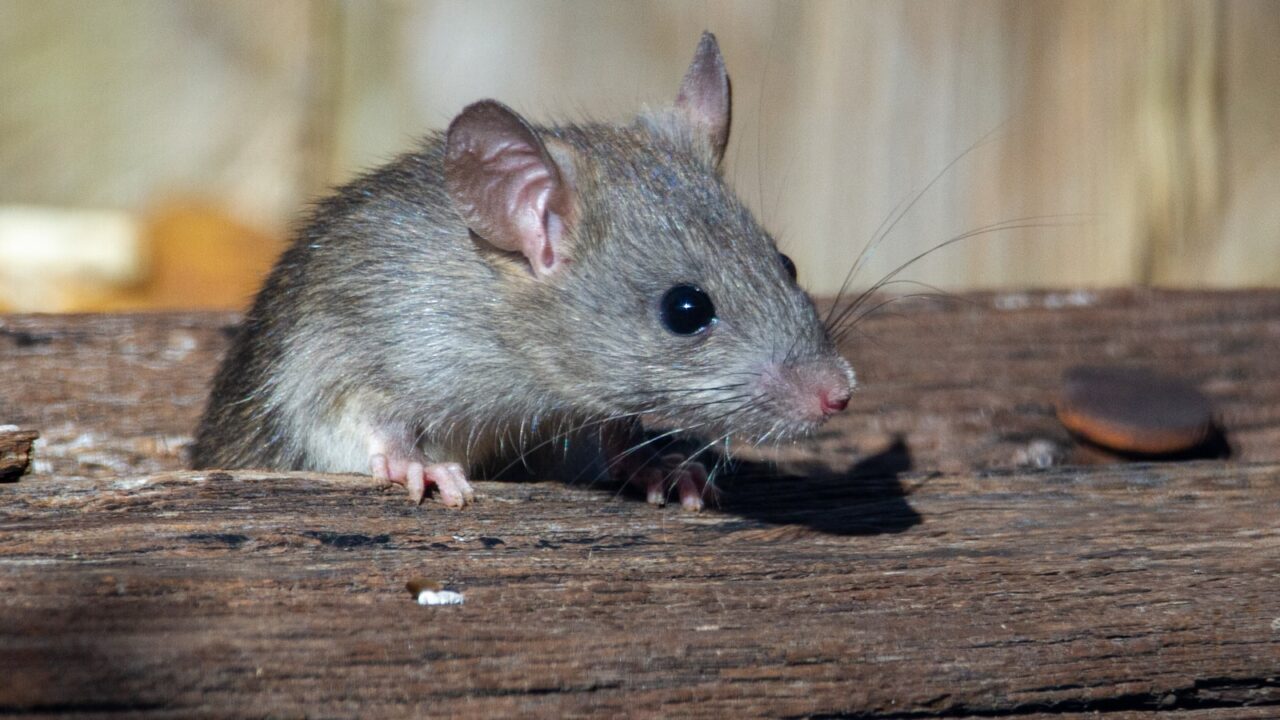
Rodents are a serious problem in dense, urban Singapore. They damage property by gnawing wires and woodwork, they contaminate food and surfaces, and they spread disease — and in our climate, with abundant food waste and warm shelter, they breed quickly. Knowing how to get rid of rats in Singapore is partly about killing the rodents already inside and, just as importantly, about closing the gaps that let them in. This guide covers how to spot the signs early, how to trap and bait effectively and safely, how to proof your home so they can’t return, and when the problem needs a professional. First, it helps to know what you’re up against — rats and mice behave differently, and our guide to rat vs mouse differences explains how to tell which one you have.
Spot the signs early
The earlier you catch rodent activity, the easier it is to clear. Watch for:
- Droppings along walls, in cupboards, behind appliances and in drawers — dark, spindle-shaped pellets are the clearest evidence.
- Gnaw marks on food packaging, electrical wires, plastic pipes and skirting.
- Scratching or scurrying in ceilings, walls and cabinets, usually after dark.
- A stale, musky smell in enclosed or poorly ventilated spaces.
- Greasy rub marks along walls and pipes where rodents travel the same routes.
If you’re seeing several of these, you likely have an active infestation rather than a one-off visitor. Our guides to the signs of rats in your house and the wider rat infestation in Singapore picture go into more detail on reading the evidence.
Get rid of them
Once you’ve confirmed activity, work methodically:
- Remove the food supply first. Store food in sealed, hard containers, clear bins promptly, don’t leave pet food out overnight, and rinse recyclables. Rodents stay where there’s an easy meal; take it away and traps become far more tempting.
- Trap strategically. Place snap traps along walls and runs where droppings appear, set at right angles to the wall with the trigger toward it. Rodents follow edges, so placement matters more than the number of traps. Traps are often safer indoors than loose bait because you can see and remove what you catch.
- Bait with care. Where bait is appropriate, use tamper-resistant bait stations kept well away from children and pets. Loose poison around the home is a real hazard and can leave rodents to die inside walls. If you do consider poison, read best rat poison and bait in Singapore first to understand the trade-offs.
A quick word on what doesn’t work: ultrasonic plug-in repellers are heavily marketed but unreliable, as we cover in do ultrasonic pest repellers work. Spend your effort on trapping, baiting and — most importantly — proofing.
Proof your home so they can’t return
This is the step that actually ends the problem, and the one most people skip. Rodents squeeze through astonishingly small gaps — a mouse needs a hole the size of a coin, a young rat not much more. Walk the perimeter of your home and seal holes around pipes, vents, air-con conduits and doors with steel wool packed into sealant (rodents gnaw through foam and plastic alone), and fit door sweeps to close the gap under external doors. Cover floor drains with proper gratings and keep the rubbish chute hopper closed in HDB flats. Trapping clears the current rodents; proofing is what stops the next ones moving in. For a fuller checklist, see how to keep rats away.
Special cases: ceilings and high-rise flats
Hearing scratching above the ceiling is common in landed homes and the upper floors of older blocks, where rats travel along false ceilings and service voids. This is harder to tackle yourself because the access points and runs are hidden — our guide to rats in the ceiling explains why. If activity is coming from a shared void or the building structure, individual trapping inside your unit will only ever be a partial fix, and coordinated treatment is needed.
Are rats actually dangerous?
Yes — beyond the property damage, rodents carry pathogens that cause illnesses such as leptospirosis and can trigger food contamination and allergies. Gnawed wiring is also a genuine fire risk. Our note on whether rats are dangerous and the diseases they carry explains why it’s worth treating an infestation promptly rather than living with it. This isn’t a pest to tolerate while you “wait and see”.
When to call professionals
Persistent activity, visible nests, droppings appearing faster than you can trap, or signs in the ceiling or wall voids usually mean the infestation is beyond DIY. Professional rodent control combines proper trapping, secured baiting and — crucially — proofing of entry points to clear the problem and keep rodents out. A reputable provider will inspect, explain the extent and give you a clear quote that reflects the size and severity rather than a flat figure over the phone. While you’re sealing the building envelope, fitting insect mesh screens on windows won’t stop rats, but it does keep out the mosquitoes and flying pests that come with leaving windows open for ventilation.
Frequently asked questions
Snap traps or poison — which is better indoors?
Why do I still have rats after trapping?
How small a gap can a rat get through?
Are ultrasonic repellers worth buying?
Related guides
- Rat vs mouse differences
- Signs of rats in your house
- How to keep rats away
- Rats in the ceiling — what to do
- Are rats dangerous? Diseases they carry
*Hearing scratching at night? Get a free quote — we’ll trap, bait and proof so they don’t come back.*