Rats in the Ceiling? Here’s What to Do (Singapore)
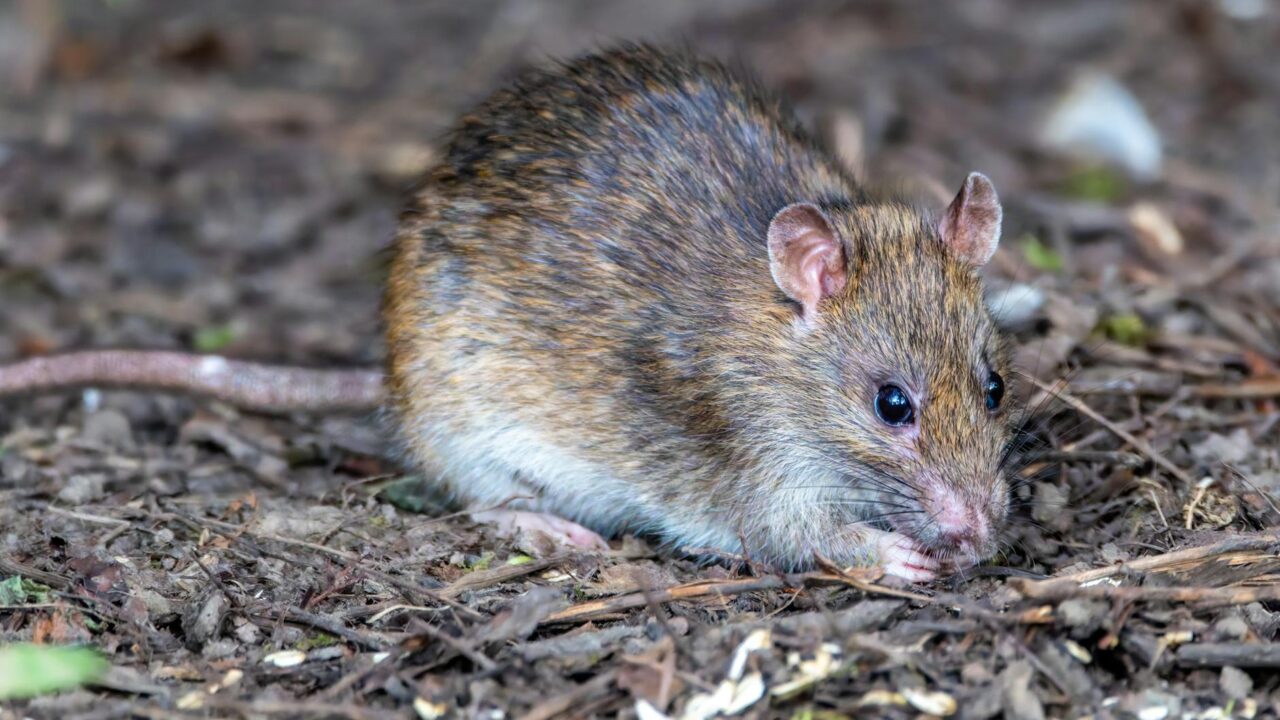
Hearing scratching, scurrying or gnawing above your head at night? In Singapore homes, rats in the ceiling are a common cause — roof rats are agile climbers that love the warm, hidden voids above false ceilings and between floors. Here’s how to confirm what’s up there and get them out safely, without making the problem worse.
How to Confirm It’s Rats in the Ceiling
Several pests make noise in ceilings, so confirm before acting. Tell-tale signs of rats in ceiling spaces include:
- Scratching and scurrying after dark, especially around dusk and just before dawn — rats are nocturnal.
- Gnawing sounds as they wear down their constantly growing teeth.
- Droppings (dark, spindle-shaped, 10–15 mm) appearing near ceiling access points or along pipe runs.
- Greasy rub marks along pipes, beams and the edges of openings.
- A musky, ammonia-like smell that builds up over time.
If the noise is a faint rustle in the daytime and you see no droppings, you may have birds, squirrels or even large insects instead. Sustained night-time scratching with droppings strongly suggests rats.
Why Ceilings Attract Roof Rats
Roof rats (the climbing species) seek warm, dry, undisturbed spaces — and a false ceiling or roof void fits perfectly. They get in via:
- Gaps where air-con piping, cables and water pipes enter the building
- Damaged eaves, soffits, vents and ventilation bricks
- Climbing routes up drainpipes, trellises and creepers near the facade
- Internal gaps between units in older blocks and shophouses
Once inside, they nest in insulation or stored items and travel along beams and conduits to reach your kitchen.
What NOT to Do
A few common reactions make things harder:
- Don’t just block the holes while rats are active inside — trapped rats can die in the void and create a serious smell, or chew new exits.
- Don’t scatter loose poison in the ceiling — rodents may die in inaccessible spots, and secondary poisoning is a risk to pets and wildlife.
- Don’t ignore gnawed wiring — rats chew cables, which is a real fire hazard in any home.
Steps to Take Right Away
While you arrange proper treatment, you can reduce the problem:
- Cut off food and water below. Seal rice, cereals and pet food in hard containers; empty bins nightly; fix leaks.
- Find the access points. Inspect where pipes and cables enter, plus vents and the service balcony. Look for grease marks and gnaw damage.
- Note the activity pattern. Tap the ceiling at night and listen for movement — it helps a technician target the nest.
- Clear climbing routes. Trim plants and creepers touching the facade or balcony.
- Protect openings. Keep windows screened so the wider pest pressure stays low — our window insect screens handle flying insects while metal exclusion handles rodents.
Getting Rats Out of the Ceiling Safely
Ceiling spaces are awkward and partly enclosed, which is exactly why DIY traps often miss the mark. A professional will inspect the void, identify runs and entry points, place traps and bait stations strategically, then proof the gaps once activity stops — in the right order, so nothing is sealed in alive.
Because rats in the ceiling usually mean an established population rather than a lone visitor, this is a job where professional help pays off. Our rodent control service in Singapore covers inspection, treatment and proofing for HDB flats, condos and landed homes.
If you’re weighing up whether to act now, our overview of a rat infestation in Singapore explains how quickly a small problem can grow.
Stopping Them Coming Back
Once the ceiling is clear, proofing keeps it that way. The key is to deny rats both access and reason to return:
- Seal entry points with the right materials — steel wool packed into sealant or cement at pipe and cable penetrations; rats gnaw straight through foam or silicone alone.
- Repair damaged eaves, vents and ventilation bricks that give roof rats a way in.
- Keep climbing routes clear — trim creepers, branches and trellises touching the facade or balcony.
- Cut off food and water indoors so there’s nothing to draw them back.
- Check periodically for fresh droppings or noises, especially after renovation work next door that may displace rodents.
Proofing done in the wrong order — sealing gaps while rats are still active inside — can trap them in the void, so it should follow removal, not precede it.
When to Call a Professional
Call for help if you hear nightly activity for more than a few days, find droppings, smell something musky, or notice chewed wiring. These are signs of an active colony that needs proper inspection and a planned removal — not just a trap in the loft.
Is It Definitely Rats — or Something Else?
Before you assume the worst, it helps to rule out other ceiling visitors, because the right fix depends on what’s up there:
- Birds — usually active in daylight, with cooing, fluttering or chirping rather than sustained gnawing, and nesting debris near eaves or aircon ledges.
- Squirrels — daytime scampering, often with a heavier, faster sound than a rat, and entry via trees touching the roof.
- Lizards or large insects — faint rustling, no droppings of any size, and no gnawing noise.
- Rats — night-time scratching and gnawing around dusk and dawn, dark spindle-shaped droppings, greasy rub marks and a musky smell.
If you’re unsure whether the rodent is a rat or a mouse in the first place, our guide on rat vs mouse differences helps you read the clues. Sustained nocturnal gnawing with droppings, though, almost always means rats — and roof rats specifically, given they’re the climbers.
Frequently asked questions
Why do I only hear them at night?
Can I just put poison in the ceiling myself?
Should I block the entry holes straight away?
Are ceiling rats a health or fire risk?
Related guides
- How to keep rats away from your home
- Rat vs mouse: how to tell which you have
- Signs of rats in your house
- Rat infestation in Singapore
- Are rats dangerous? Diseases to know
*Hearing scratching overhead? Book a free inspection with our rodent control team and clear your ceiling safely.*