Termite Exterminator in Singapore: Cost, Treatments & What to Expect
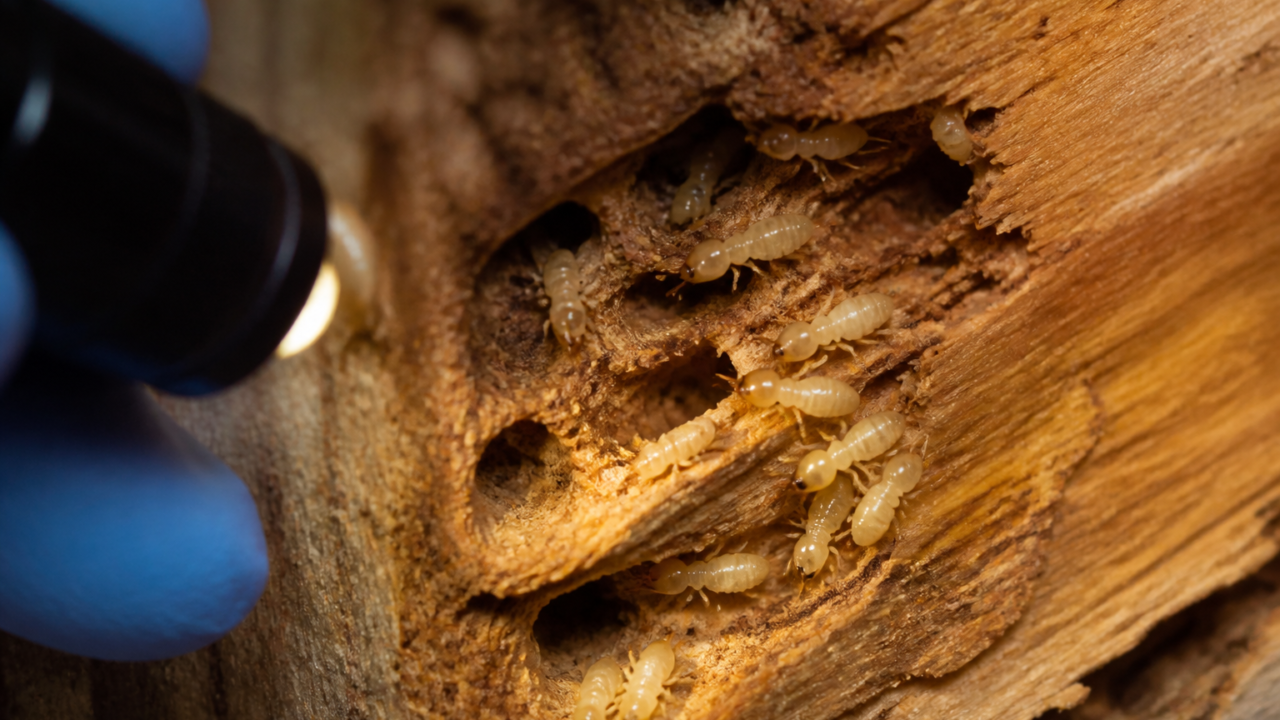
Termites are the pest most worth taking seriously, because they damage the structure of your home quietly, often for months before you notice. If you have spotted mud tubes, hollow-sounding timber or discarded wings, it is time to call a termite exterminator in Singapore — locally, a termite control specialist. This guide explains how professional treatment works, the difference between baiting and soil treatment, what drives the cost, and what to expect.
Why termites are different from other pests
Unlike ants or cockroaches, termites cause real financial damage. Singapore’s warm, humid climate is ideal for subterranean termites, which build hidden colonies of many thousands and tunnel up from the soil into skirting, door frames, flooring and structural timber. Drywood termites, less common here, nest directly inside the wood.
By the time you see visible signs, the colony has usually been active for a while. This is why DIY spot-spraying fails — it kills a few workers while the colony carries on. Serious termite problems need professional termite control in Singapore that targets the colony itself.
Inspection: confirming the colony
Treatment always starts with a proper inspection. A technician checks for mud tubes on walls and foundations, hollow or blistered timber, discarded wings near windows after a swarm, and moisture-prone areas where termites thrive. They confirm the species and the extent, because subterranean and drywood termites are treated differently.
If you want to know what a professional check involves before booking, our guide on termite inspection: what to expect walks through the process. Accurate inspection is essential — treating the wrong species or missing the colony’s source wastes money.
Baiting vs soil treatment
For subterranean termites, the two main professional approaches are:
- Baiting systems. Bait stations are installed in the soil around the property. Foragers feed on a slow-acting bait and carry it back to the colony, which is gradually eliminated — including the queen. Baiting is less intrusive and works colony-wide, but takes time to run its course.
- Soil (chemical) treatment. A liquid termiticide is applied to the soil around and under the structure to create a treated zone. Termites passing through it are affected, protecting the building. This can require drilling along the slab perimeter to reach the soil.
Many jobs use one method or a combination, chosen to fit your property, the colony’s location and the level of damage. A good provider explains the trade-offs rather than pushing a single package. For drywood termites, localised treatments or, in severe cases, fumigation may be recommended instead.
What drives the cost
Termite treatment is more involved than most pest jobs, so pricing depends heavily on the specifics — and any honest company quotes only after inspecting. Key factors:
- Treatment type. Baiting systems and full soil treatment are priced differently and suit different situations.
- Property type and size. Landed homes, condos and HDB flats vary enormously in perimeter and access.
- Extent of the infestation and damage. A localised problem differs from colony activity across the structure.
- Warranty and servicing. Baiting and many treatments come with a service period and periodic monitoring, which forms part of the value.
- Access. Drilling, hard-to-reach voids or extensive perimeters add to the work.
Because these vary so much, we do not publish a flat figure — a proper inspection gives an accurate, honest quote for your home.
How long treatment takes
Timelines differ by method. Soil treatment creates its protective zone relatively quickly, though results build as termite contact occurs. Baiting is a slower, ongoing process — it can take weeks to months to eliminate a colony, with the stations monitored and replenished over time. This is normal and not a sign of failure; colony elimination through baiting is deliberately gradual.
Your provider should give you a realistic timeline and a monitoring schedule so you know what “success” looks like at each stage.
What to expect on treatment day and after
For soil treatment, expect some drilling along the slab perimeter and application of termiticide; the technician will advise on any preparation and re-entry. For baiting, installation is quick and low-disruption, followed by scheduled monitoring visits.
Afterwards, keep an eye out for renewed mud tubes or swarms and report them. Do not disturb bait stations or treated soil. Because termites are drawn to moisture and wood contact with soil, your provider will likely advise fixing leaks, improving ventilation and keeping timber and stored wood away from the ground.
Reducing the risk of termites returning
- Fix leaks and damp spots quickly — moisture attracts termites.
- Keep firewood, timber and cardboard off the ground and away from walls.
- Improve ventilation in enclosed, humid spaces.
- Schedule periodic inspections, especially for landed and older properties.
- Address any garden mulch or wood in direct soil contact near the building.
Frequently asked questions
Is a termite exterminator the same as termite control in Singapore?
Can I treat termites myself?
How much does termite treatment cost in Singapore?
How long before the termites are gone?
Are the mud tubes and wings I found serious?
Related guides
- Termite control in Singapore
- Termite inspection: what to expect
- Exterminator in Singapore: what they do & costs
- Cockroach exterminator in Singapore
- Pest control in Singapore
*Spotted mud tubes or hollow timber? Get a free termite inspection from Insect Out before the damage grows.*