Cockroach Exterminator in Singapore: Cost & Treatment Process
A stray cockroach now and then is a housekeeping issue, but roaches appearing in numbers — especially in daylight — usually means you need a cockroach exterminator in Singapore, or in local terms, a cockroach control specialist. Cockroaches breed fast, hide in warm cracks, and can trigger allergies and contaminate food, so a can of spray rarely settles an established problem. This guide covers how professional treatment works, when DIY stops being enough, and what affects the cost.
Why cockroaches are hard to clear
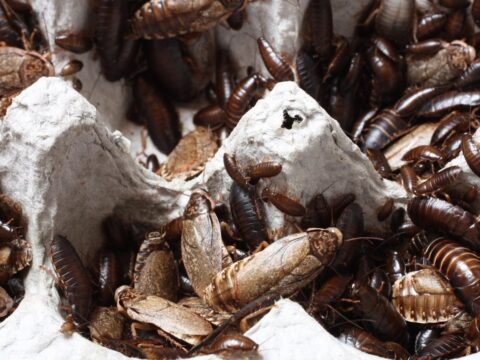
Singapore homes deal mainly with two types: the small German cockroach, which thrives indoors in kitchens and bathrooms and breeds prolifically, and the larger American cockroach, which often enters from drains, sewers and bin areas. German cockroaches in particular can build a hidden population very quickly, tucked into cracks behind appliances, under sinks and inside cabinet hinges.
Seeing roaches in the daytime is a warning sign — they are nocturnal, so daytime activity often means the harbourages are overcrowded. Surface spray kills what you see while eggs and hidden adults carry on, which is why professional cockroach control in Singapore focuses on reaching the harbourage, not just the counter.
When DIY stops being enough
Baits and sprays from the shop can handle the odd roach. Call a professional when:
- You see cockroaches regularly, or in daylight.
- Numbers keep rising despite cleaning and DIY baiting.
- You find egg cases (oothecae), droppings or a musty smell.
- Roaches are coming up through drains, pipes or shared building areas.
- The problem is in a kitchen or F&B premises where hygiene and compliance matter.
Our guide to cockroach infestation signs helps you gauge how serious the problem is before you book.
How professional treatment works
A professional job is targeted rather than a blanket fog:
- Inspection. The technician identifies the species and finds harbourages — behind and under appliances, in cabinet voids, around pipe penetrations and drains.
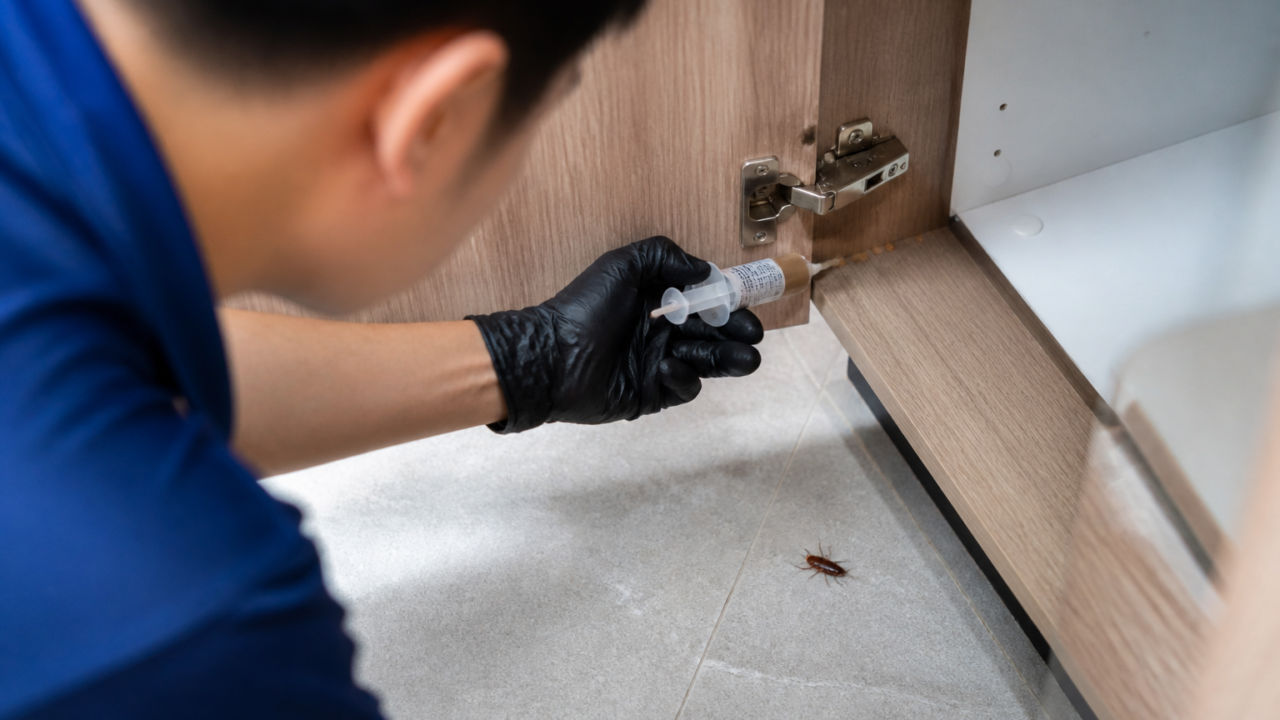
- Gel baiting. Species-appropriate gel baits are placed precisely where roaches travel and hide. Roaches feed, return to the harbourage, and the effect spreads through the population — including via secondary transfer.
- Residual treatment. Where suitable, residual products are applied to cracks, voids and entry points so roaches passing through are affected over time.
- Drain and entry treatment. For American cockroaches coming from drains, technicians treat and advise on sealing these routes.
- Follow-up. A return visit checks numbers have dropped and re-treats any remaining harbourage.
This combination of gel baiting and residual treatment reaches the hidden population that sprays alone miss.
German vs American cockroaches: why the approach differs
It genuinely matters which species you have, because they live and enter differently. German cockroaches are small, indoor breeders that stay close to food and warmth — kitchens, appliances, cabinet voids and bathrooms. They multiply fast and demand thorough, harbourage-focused baiting, often over more than one visit. American cockroaches are the large ones that fly and typically enter from drains, sewers, bin chambers and shared ducts, so treatment leans more on drain treatment, sealing entry points and knocking back the population coming in from outside.
A provider who identifies the species correctly will treat the right way the first time, rather than applying a generic spray that suits neither. If you have both, the plan combines indoor baiting with entry-point and drain work.
What affects the cost
Cockroach jobs vary with the species, spread and property, so an honest company quotes after inspecting. Main factors:
- Species and severity. A light American cockroach issue differs from an entrenched German cockroach population.
- Extent of spread. One kitchen versus multiple rooms or a whole unit.
- Property type and size. HDB flats, condos, landed homes and F&B premises differ.
- One-time vs contract. Recurring-risk sites, especially food premises, often need periodic servicing.
- Follow-up visits. Included return visits factor into the price.
Because these swing the total, we recommend a free assessment rather than a fixed figure that may not fit your home.
What to expect on treatment day
Cockroach treatment is usually low-disruption. Clear access under sinks and around appliances, put away exposed food and utensils, and let the technician place gels and residual treatment where they matter. One key tip: do not spray insecticide over the baited spots or scrub them away, and hold off on your own repellent sprays — both stop roaches feeding on the bait that carries the effect back to the harbourage.
In the days after treatment you may see a short-lived increase in roach activity as baits flush them out of hiding; this is expected and a good sign. Numbers should then fall. Keep surfaces clean and dry, and report any persistent activity so it can be re-treated.
Keeping cockroaches away afterwards
Cockroaches need food, water and shelter, so prevention is mostly hygiene and sealing:
- Wipe down surfaces and clear crumbs and grease nightly.
- Store food and pet food in sealed containers; empty bins regularly.
- Fix leaks and dry out under-sink areas — roaches need moisture.
- Seal cracks around pipes, skirting and cabinets.
- Cover floor traps and drains where American cockroaches enter.
Frequently asked questions
Is a cockroach exterminator the same as cockroach control in Singapore?
Why do I still see cockroaches after treatment?
How much does cockroach treatment cost in Singapore?
Should I spray the roaches before the technician comes?
Does daytime cockroach activity mean a big infestation?
Related guides
- Cockroach control in Singapore
- Cockroach infestation signs
- Exterminator in Singapore: what they do & costs
- Rat exterminator in Singapore
- Pest control in Singapore
*Seeing roaches in daylight? Get a free cockroach assessment from Insect Out and we’ll target the harbourage.*