Ant Exterminator in Singapore: When to Call One & What It Costs
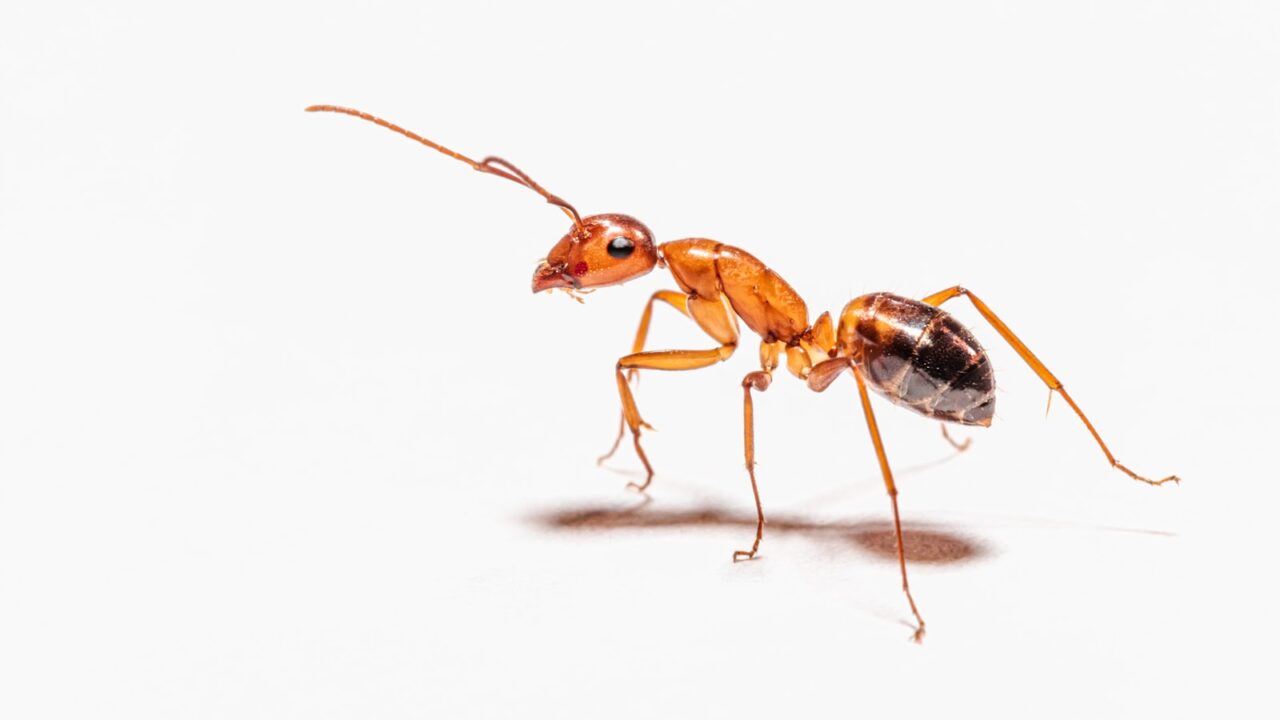
Most ant trails can be handled with supermarket baits, but when the columns keep returning no matter what you try, it may be time for an ant exterminator in Singapore — locally, an ant control specialist. Persistent ants usually mean a large or hidden colony, sometimes several nests at once, that surface sprays simply cannot reach. This guide explains when DIY stops working, how professional ant treatment differs, and what affects the cost.
Why ants are harder than they look
Killing the ants you see on the counter does almost nothing to the colony. For every forager on your worktop, hundreds to thousands remain in a nest you cannot see — in wall voids, under flooring, in the garden, or behind kitchen units. Spraying the trail can even make things worse with some species, causing the colony to split and “bud” into several smaller nests.
Effective control works the opposite way: it uses the ants’ own behaviour against them. That is the principle behind professional ant control in Singapore — treat the colony, not just the trail.
When DIY stops being enough
Retail bait stations are a fine first step, and our guide to the best ant traps and bait stations can help you choose one. Consider calling a professional when:
- Trails keep returning after weeks of baiting.
- You see multiple trails from different directions — a sign of several nests.
- Ants are nesting inside walls, appliances or electrical fittings.
- You are dealing with biting or stinging species that pose a risk to children or pets.
- The problem is in a kitchen, food area or F&B premises where hygiene matters.
If baits are being ignored or the colony seems to be spreading, that is the point where targeted professional treatment pays off.
How professional ant treatment works
A professional does not just spray and leave. The process is deliberate:
- Identification. Different ant species — think of the tiny ghost ants, larger black ants, or biting species — respond to different baits and gels. Correct identification shapes everything.
- Tracing. The technician follows trails to locate nests and entry points, indoors and outdoors.
- Colony baiting. Instead of surface spraying, they place species-appropriate gels and baits that foragers carry back to the nest, reaching the queen and brood.
- Targeted treatment. Where needed, residual products are applied at entry points and voids — carefully, so they do not repel ants away from the bait.
- Follow-up. A return visit checks the trails have gone and re-treats if a secondary nest appears.
This bait-led method is slower to *look* dramatic but far more thorough, because it removes the colony rather than the visible workers.
Common ant problems in Singapore homes
A few situations come up again and again in local flats and houses. Tiny ghost ants and sugar ants swarming the kitchen counter or a spilled drink are the most familiar — drawn indoors by warmth and any trace of sweet or greasy food. Ants nesting in potted plants on the balcony or in a garden bed will keep sending foragers inside as long as the nest sits nearby. In older or damp units, ants sometimes establish inside wall voids and behind tiles, which is where DIY baiting struggles most because you cannot reach the nest.
Species that bite or sting deserve extra care around young children and pets, and are a common reason people move from DIY to a professional. In every case, the fix is the same principle: identify the species, find the nest, and bait the colony rather than chasing the trail on the surface.
What affects the cost
Ant jobs are generally among the more affordable pest treatments, but the price still depends on your situation, so an honest company quotes after assessing. Key factors:
- Number and location of nests. One indoor trail is simpler than multiple nests across a home and garden.
- Species. Some ants are stubborn and need specific baits or repeat treatment.
- Property type and size. An HDB kitchen differs from a landed home with an active garden.
- One-time vs contract. Recurring problems, or F&B sites, may prefer periodic servicing.
- Follow-up visits. Included return visits affect the overall price.
Rather than quote a figure that may not match your home, we suggest a free assessment for an accurate price.
What to expect on treatment day
Ant treatment is low-disruption. The technician places gels and baits along trails and at entry points, treats any accessible nests, and advises you on what to avoid. One important tip: do not clean away or spray the baited areas, and hold off on your own repellent sprays, because both can stop foragers taking the bait back to the colony.
In the days after treatment you may briefly see *more* ants as the bait draws them out — this is expected and a good sign. Numbers should then fall as the colony is affected. Report any trail that persists beyond a couple of weeks so it can be re-treated.
Keeping ants out afterwards
Ants follow food and moisture, so prevention is mostly housekeeping:
- Wipe up spills and crumbs promptly, especially anything sweet or greasy.
- Store food and pet food in sealed containers.
- Fix leaks and dry out damp spots under sinks.
- Seal gaps around pipes, skirting and window frames.
- Keep bins closed and rinse recyclables.
Frequently asked questions
Is an ant exterminator the same as ant control in Singapore?
Why do my ants keep coming back after baiting?
How much does ant treatment cost in Singapore?
Should I spray the ants before the technician arrives?
Will one visit clear the ants?
Related guides
- Ant control in Singapore
- Best ant traps and bait stations
- Exterminator in Singapore: what they do & costs
- Cockroach exterminator in Singapore
- Pest control in Singapore
*Ant trails that won’t quit? Get a free ant assessment from Insect Out and we’ll target the colony, not just the trail.*