Monitor Lizards in Singapore: What to Know & Do
Spotting a large lizard ambling across your estate or near your drain can be startling, but the Malayan water monitor is a common and mostly harmless part of Singapore’s wildlife. If you have a monitor lizard near your home in Singapore, the right response is to stay calm, give it space, and never try to catch or harm it. Here is what to know and do.
What Is a Monitor Lizard?
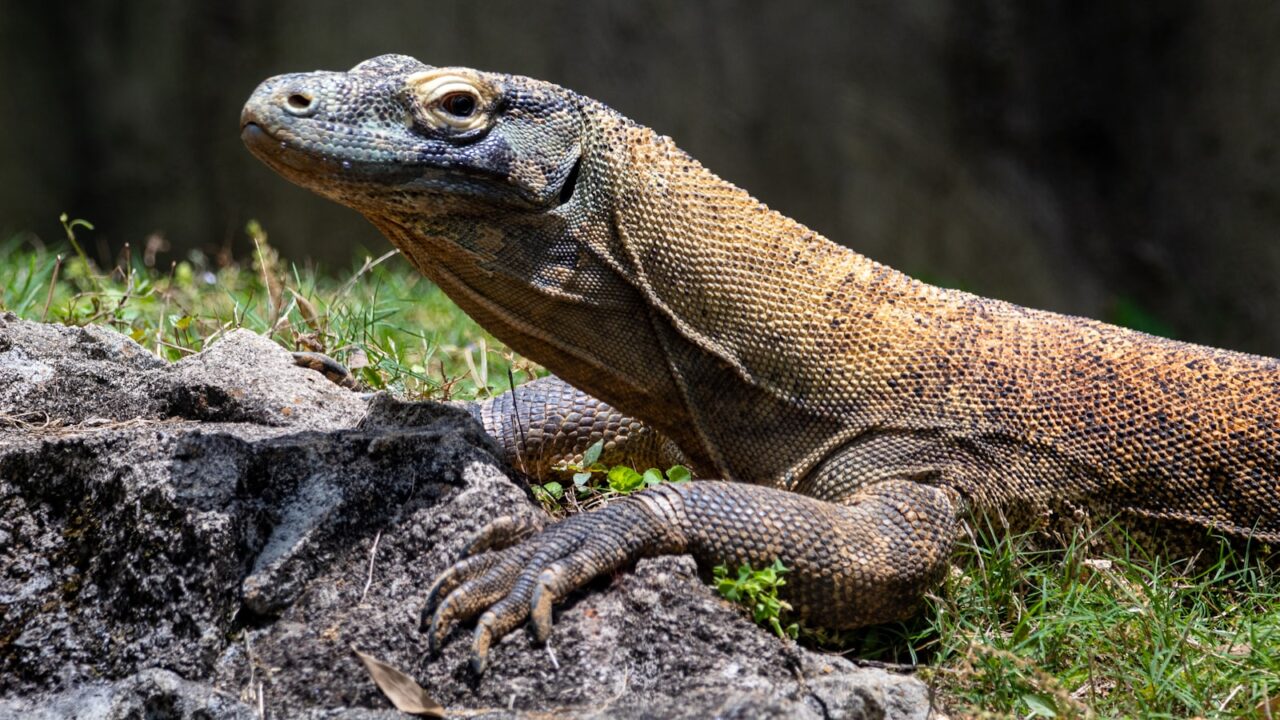
The monitor lizard you see in Singapore is almost always the Malayan water monitor (*Varanus salvator*) — one of the largest lizards in the world. They are dark with yellowish markings and can grow up to two metres, though most are smaller.
They are strong swimmers and live around water: canals, drains, reservoirs, ponds and mangroves. You will spot them most often near these waterways, in parks, and in landed or low-rise neighbourhoods that back onto greenery.
Monitor lizards are protected wildlife in Singapore. It is illegal to harm, kill or capture them, and doing so can carry penalties.
Are Monitor Lizards Dangerous?
Generally, no. Monitor lizards are shy and will almost always flee from people. They are not predators of humans and do not see us as food.
That said, treat them with respect:
- They can deliver a painful bite or a whip from the tail if cornered, provoked or handled.
- Their mouths carry bacteria, so any bite should be cleaned and checked by a doctor.
- They are wild animals — do not approach, feed or try to touch them.
The simple rule is to keep your distance and let the animal move on. A monitor lizard left alone is not a threat.
What to Do If You See One Near Your Home
If a monitor lizard turns up in your garden, void deck or drain:
- Keep calm and keep back. Give it a clear escape route.
- Keep pets and children indoors until it has left.
- Do not corner, chase, hit or feed it. This causes defensive behaviour.
- Wait — most will move off on their own, usually back towards water.
- If it is trapped, injured, or inside your home and won’t leave, call the experts rather than handling it yourself.
For wildlife help in Singapore, contact the ACRES Wildlife Rescue Hotline or NParks. They can relocate a monitor lizard safely and legally if needed.
How to Discourage Monitor Lizards Safely
You cannot remove a monitor lizard yourself, but you can make your property less appealing so they move along. Everything here is about deterrence and exclusion — never harm.
| Measure | Why it helps |
|---|---|
| Remove food sources — secure bins, don’t leave pet food out | They scavenge for food |
| Cover ponds or secure fish/poultry | Monitors hunt fish, eggs and small animals |
| Clear clutter, debris and overgrowth | Removes basking and hiding spots |
| Keep drains and gaps sealed | Reduces routes onto your property |
| Don’t feed them | Fed animals return and lose their natural wariness |
A major draw for monitor lizards is rodents and food waste. Keeping rats under control and bins tightly closed removes one of their main reasons to visit. Monitor lizards also scavenge along open drains and canal edges, so keeping these clear of food scraps near your property reduces the chance they wander in. Our pest control team in Singapore can deal with a rodent problem that may be attracting wildlife to your area.
Remember that occasional sightings are completely normal in a green, water-rich city like Singapore. A monitor lizard passing through your garden is not a sign of an infestation — it is simply nature living alongside the built environment.
Monitor Lizards vs Other Reptile Visitors
It is easy to confuse the wildlife that turns up around Singapore homes, and the right response differs for each. A monitor lizard is large, ground-dwelling and water-loving, and is best left to move on by itself. A snake also travels via drains and hunts rodents, but warrants extra caution — see our guide on snakes in Singapore homes. The small house geckos (*cicak*) on your walls are a different matter entirely and genuinely harmless; if they bother you, our guide on getting rid of lizards at home covers humane deterrence. What links monitor lizards and snakes is diet: both are drawn to areas with plentiful rats, so a rodent problem is often the underlying invitation.
Frequently Asked Questions
Are monitor lizards aggressive?
Can I keep one off my property for good?
A monitor lizard fell into my pool or drain — what now?
Is it true they are venomous?
Will a monitor lizard come into my flat?
When to Get Help
Most monitor lizard encounters need no intervention at all — the animal simply passes through. Call ACRES or NParks if a monitor lizard is injured, stuck (for example in a fence or pool), repeatedly entering your home, or behaving unusually. Leave any capture or relocation to trained responders.
Related Guides
- What to do about snakes in Singapore homes
- Dealing with monkeys in Singapore
- How to get rid of lizards at home
- How to get rid of rats and mice in Singapore
*Wildlife drawn by rodents or food waste? Get a free pest-control quote and remove the attraction.*