Is the Civet Cat Dangerous? (Singapore Guide)
Hearing thumps in the ceiling at night or spotting a long-bodied, cat-like animal on a ledge? You may have a civet. A common question is: is the civet cat dangerous? The short answer is that civets are shy, protected native wildlife and pose little threat to people — but they can become a nuisance in roofs. Here is what you need to know.
What Is a Civet?
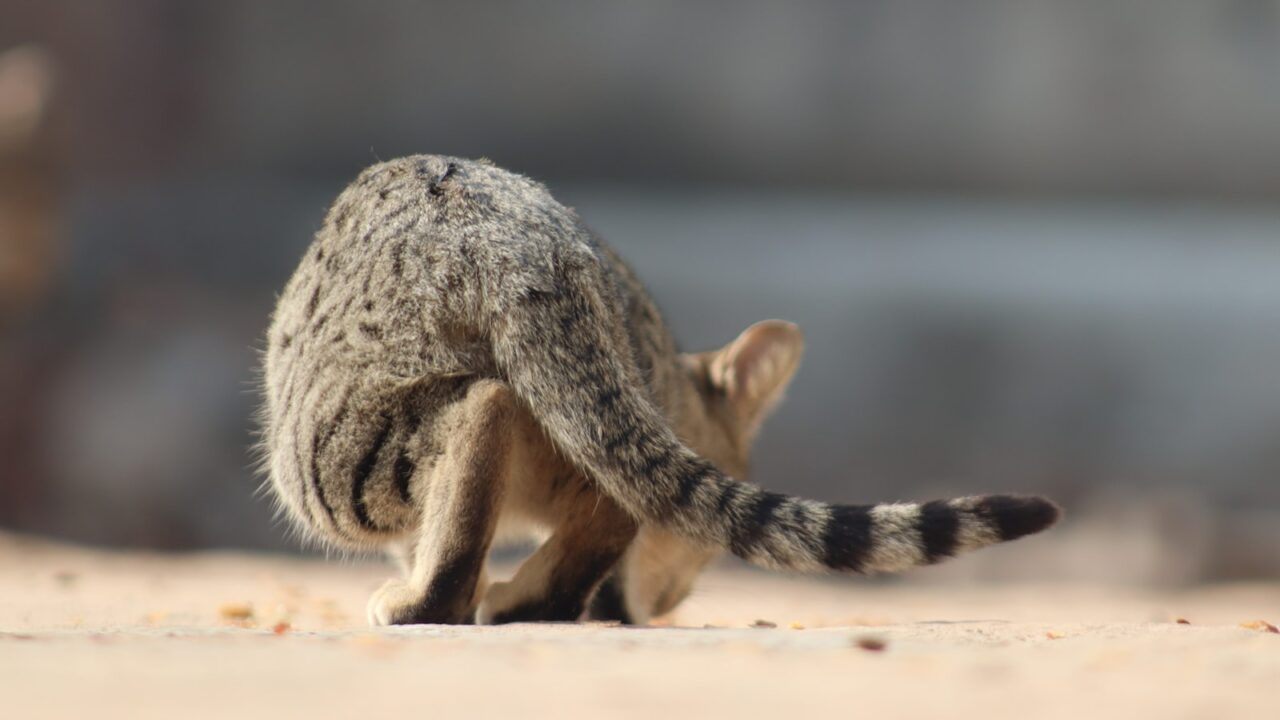
Despite the name “civet cat,” civets are not cats. The species you will see in Singapore is the common palm civet (*Paradoxurus hermaphroditus*), a native nocturnal mammal sometimes called the *musang*.
They are about the size of a cat, with a long body, pointed face and a long tail. They are excellent climbers, active at night, and feed mainly on fruit (they love figs and palm fruit), plus insects and small animals.
Civets are protected wildlife in Singapore. It is illegal to harm, kill or capture them, so any response must be humane and based on deterrence and exclusion.
Is the Civet Cat Dangerous?
For the vast majority of residents, no — civets are not dangerous. They are timid and avoid people, and there is no record of them attacking humans unprovoked.
The genuine considerations are:
- They are wild animals. A cornered or handled civet may bite or scratch to defend itself, so never try to grab one. Any bite or scratch should be seen by a doctor.
- Don’t approach or feed them. Feeding makes them bolder and reliant on homes.
- Nuisance, not danger. The real issues are usually noise in the ceiling and droppings, rather than any threat to your safety.
So the honest answer to “is the civet cat dangerous” is: not to people who leave them alone. They are far more nuisance than hazard, and in fact help control insects and rodents as part of the urban ecosystem.
Why Civets Move Into Roofs
Civets are drawn to homes near greenery, especially landed houses and lower-floor units bordering parks or fruiting trees. They use roofs and ceiling voids as safe, dry daytime resting spots.
Common attractions and access points:
- Fruiting trees near the house (a major food draw)
- Gaps into roof spaces, eaves and ceilings
- Overhanging branches and cables acting as bridges onto the roof
- Quiet, undisturbed cavities to rest and raise young
How to Deal With Civets Humanely
Because civets are protected, the approach is to make your home unappealing and inaccessible — not to trap or harm them.
- Don’t handle, chase or harm the civet. Give it space.
- Reduce food sources — harvest ripe fruit, secure bins and don’t leave food out.
- Trim overhanging branches so they can’t reach the roof.
- Locate entry gaps by watching at dusk when civets leave to forage.
- Wait until the civet has left (and no young remain) before sealing — never seal an animal inside.
- Seal all gaps into roof voids and eaves with sturdy mesh or board.
- Clean droppings wearing gloves and a mask, and ventilate the area.
Timing is important: sealing during breeding season can trap dependent young, which is both inhumane and illegal. If in doubt, get help before closing any gaps.
Is It a Civet, a Rat, or Something Else in the Ceiling?
Night-time noises overhead send many Singapore homeowners straight to the worst conclusion, but identifying the visitor changes the response entirely. A civet is large enough that its movements sound like heavy, deliberate thumps and dragging, usually around dusk and dawn when it leaves and returns to forage. Rats, by contrast, produce lighter, faster scratching and scurrying, often with gnawing sounds and a musty smell, and they are not protected — so they are handled very differently, including professional baiting where suitable. If the activity sounds small and quick rather than heavy, our guides on rats in the ceiling and getting rid of rats and mice in Singapore are the better starting point. Daytime scampering with branch and cable use, meanwhile, more likely points to squirrels. Getting the identification right first saves you from the wrong — and potentially unlawful — course of action.
Frequently Asked Questions
Do civets carry disease?
Will a civet attack my pet?
How do I get a civet out of my roof?
Why is a civet in an urban estate at all?
Who to Call & How to Prevent Returns
For a civet that is stuck, injured, or living in your roof and you cannot safely exclude it, contact NParks or the ACRES Wildlife Rescue Hotline for humane wildlife assistance.
To prevent civets and other wildlife returning:
| Step | Why it helps |
|---|---|
| Seal roof, eave and ceiling gaps | Removes the roosting space |
| Trim branches away from the roofline | Cuts off the access route |
| Secure bins and clear fallen fruit | Removes the food draw |
| Control rodents and insects | Reduces a secondary food source |
Keeping rodents and insects in check removes part of a civet’s food supply and reduces the wider draw to your home. Our pest control team in Singapore can help with rodent issues and advise on humane wildlife exclusion.
Related Guides
- Getting rid of bats in your home
- Getting rid of squirrels
- Rats in the ceiling: what to do
- How to get rid of rats and mice in Singapore
*Civets resting in your roof? Get a free pest-control quote for humane exclusion advice.*