How to Get Rid of Thrips on Plants (Singapore)
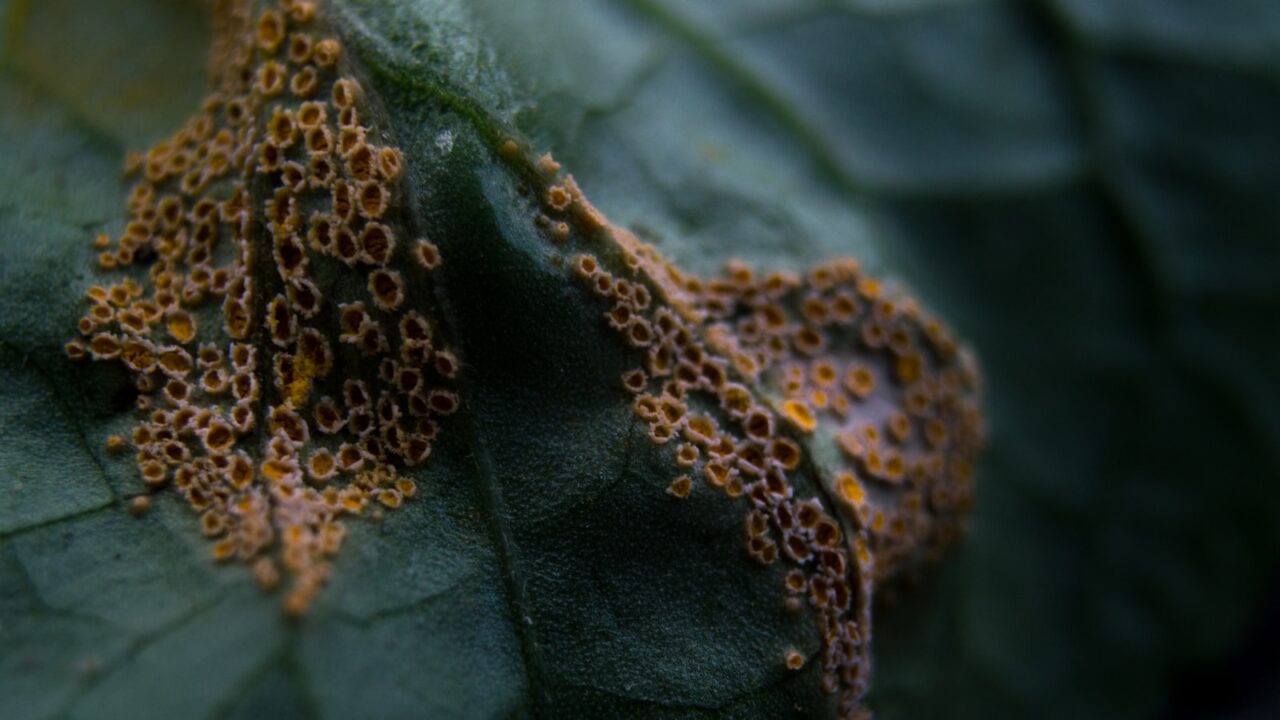
Silvery streaks on leaves, deformed buds, and tiny black specks that turn out to be slim, fast-moving insects — that’s the calling card of thrips. They feed on a wide range of plants, scar new growth, and can spread plant viruses. If you’ve spotted thrips on plants in your Singapore garden or balcony, here’s how to confirm them and bring them under control.
What thrips are
Thrips are tiny, slender insects — usually under 2mm — that range from pale yellow to dark brown or black. They rasp open plant cells and suck out the contents, which damages leaves, flowers and fruit. They breed quickly in Singapore’s warm climate, and part of their life cycle happens in the soil, which is why they can be stubborn to clear.
Both adults and their wingless young feed on plants, often hiding in flower buds, leaf folds and new shoots.
Signs of thrips on plants
Thrips damage is distinctive once you know it:
- Silvery or bronze streaking on leaves where cells have been drained
- Tiny black dots of frass (droppings) on leaf surfaces
- Deformed, distorted new growth and buds that fail to open properly
- Discoloured, streaky flowers
- Slim, fast insects that scatter when you open a bud or shake a leaf
To confirm, tap a flower or shoot over a sheet of white paper and watch for thin, darting specks.
How to get rid of thrips on plants
Thrips need persistence — their soil-dwelling stage means a single spray won’t finish them. Use an organic-first, repeated approach.
- Remove and bag damaged growth. Snip off badly affected buds, flowers and leaves and bin them — don’t compost them on the balcony.
- Blast with water. A firm spray dislodges adults and young, especially from leaf undersides and buds. Repeat every few days.
- Insecticidal soap. Spray thoroughly over all surfaces; soap kills on contact, so coverage into buds and leaf folds matters.
- Neem oil. Diluted neem (with a drop of mild soap as emulsifier), applied in the cooler evening, disrupts feeding and breeding over several weeks — one of the most reliable controls for thrips on plants.
- Blue sticky traps. Thrips are drawn to blue; traps catch adults and help you monitor whether numbers are falling.
- Encourage predators. Lacewings, predatory mites and minute pirate bugs feed on thrips, so avoid broad-spectrum sprays that wipe them out.
Repeat your chosen treatment every 5–7 days for three to four weeks to catch newly emerged thrips and break the cycle.
Treatment at a glance
| Method | Targets | Frequency |
|---|---|---|
| Pruning affected parts | Hotspots + eggs | As needed |
| Water blast | Adults + nymphs | Every 2–3 days |
| Soap spray | Contact kill | Every 5 days |
| Neem oil | Feeding + breeding | Every 5–7 days |
| Blue sticky traps | Adults + monitoring | Replace when full |
Stop thrips coming back
- Inspect new plants carefully before bringing them home — nurseries are a common source.
- Quarantine new arrivals for a week or two near, but not touching, your other plants.
- Clear weeds and plant debris where thrips shelter and lay eggs.
- Avoid heavy nitrogen feeding, which pushes the soft new growth thrips prefer.
- Check regularly, especially flowers and new shoots, to catch outbreaks early.
In tight HDB and condo balcony gardens where plants sit close together, early detection and consistent neem treatment usually keep thrips manageable without stronger chemicals.
When chemicals or a pro help
If thrips persist after several weeks of organic treatment, or the infestation has spread widely, a targeted insecticide labelled for thrips may be justified — read the label, respect harvest intervals on edibles, and rotate products if you reapply, since thrips can develop resistance.
To tell thrips apart from other sap-suckers, see our overview of common garden pests in Singapore. For persistent or large-scale infestations that DIY can’t resolve, professional pest control in Singapore can assess and treat the problem.
Common mistakes that let thrips linger
Thrips are stubborn, and a few habits make them harder to clear:
- Treating leaves but not the soil stage. Part of the thrips life cycle happens in the soil, so foliage-only spraying lets a new wave emerge. Persistence over several weeks is what breaks the cycle.
- Spraying without reaching the buds. Thrips hide deep in flower buds and leaf folds, exactly where contact sprays struggle to penetrate. Open and aim into those tight spaces.
- Reapplying the same product forever. Thrips can develop resistance, so rotate between methods if you need to treat repeatedly.
- Composting infested clippings on the balcony. That just re-releases them. Bag and bin damaged buds and leaves.
- Wiping out the good bugs. Lacewings, predatory mites and pirate bugs prey on thrips; broad-spectrum sprays remove your free help.
The Singapore balcony angle
Warm weather year-round means thrips never get a seasonal break here, so early detection matters more than firepower. In a tight HDB or condo balcony garden where pots sit shoulder to shoulder, one infested new plant can seed the whole collection within days — quarantine anything new for a week or two before it joins the others. A consistent neem routine, blue sticky traps for monitoring, and a quick check of flowers and new shoots each week usually keep thrips manageable without stronger chemicals. Because the same sap-suckers tend to travel together, it helps to run a single routine across the balcony rather than chasing each pest separately — our guide to balcony garden pest control in Singapore pulls it together.
Frequently asked questions
Do thrips bite people?
Why do my thrips keep coming back?
Are thrips the same as spider mites or whiteflies?
Can I eat produce from a plant I’ve treated for thrips?
Related guides
- Common garden pests in Singapore
- How to get rid of whiteflies on plants
- How to get rid of spider mites on plants
- How to get rid of aphids on plants
- How to get rid of mealybugs
- Balcony garden pest control in Singapore
*Thrips scarring your plants? Get a free pest-control quote and protect your garden.*