Wild Boar in Singapore: What to Do If You Encounter One
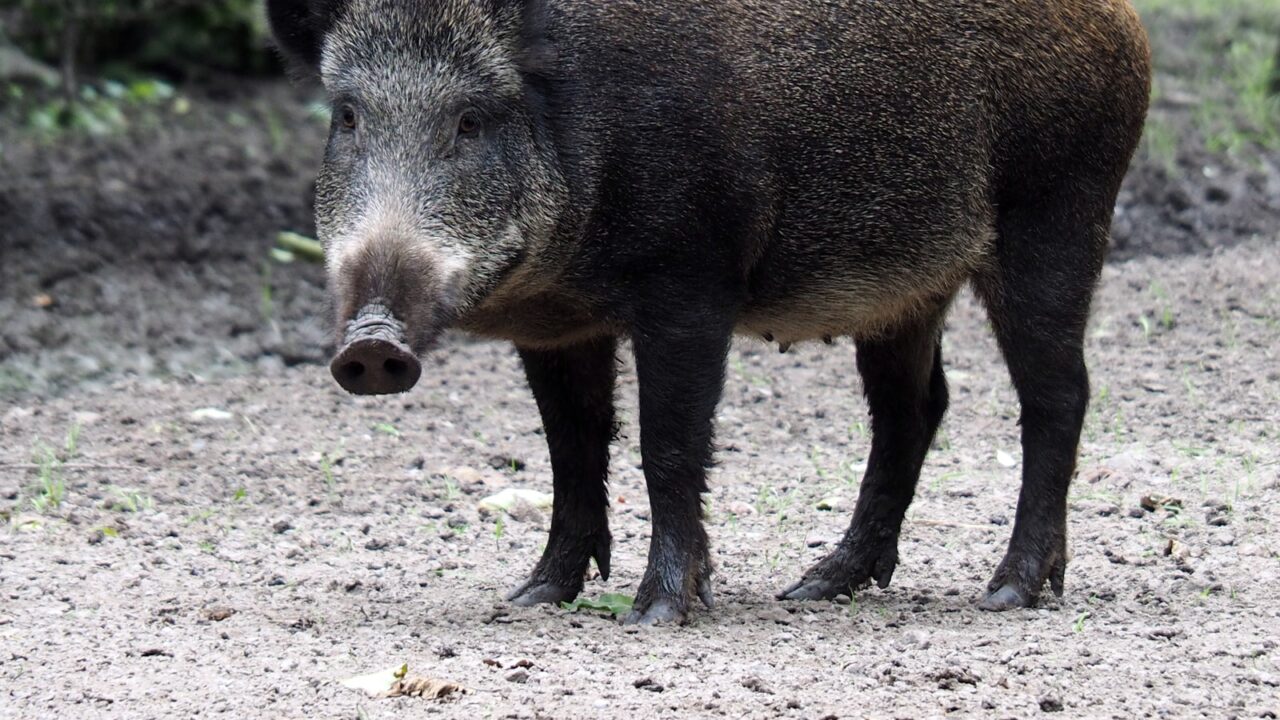
A wild boar in Singapore can be a startling sight, especially when one wanders out of a forest edge into a park connector, carpark or the fringe of an HDB estate. These are large, powerful wild animals — not pests you should ever try to chase, trap or feed. This guide explains how to stay safe around wild boar, what behaviour to avoid, and who to contact.
Where wild boar are found
Wild boar (also called wild pigs) are native to Singapore and have rebounded in number over the past two decades. They are most common near nature reserves and green corridors, including areas around:
- Bukit Timah and the Central Catchment
- Pulau Ubin
- Lower Peirce, Thomson and Windsor areas
- Park connectors and forest-fringe estates such as Punggol, Yishun and the western catchment
They are mostly active at dawn and dusk, foraging for roots, fallen fruit and food scraps. Sightings near homes usually happen when boar follow green corridors or are drawn by accessible food.
Are wild boar dangerous?
Most wild boar will avoid people and move away if left alone. The risk rises in specific situations:
- A sow (mother) with piglets will defend her young.
- A boar that feels cornered or surprised at close range may charge.
- Boar that have been fed by humans lose their natural wariness and approach people.
Wild boar can weigh well over 100kg and move fast. A charge or bite can cause serious injury, so the goal is always to give them space and avoid triggering a defensive reaction.
What to do if you encounter a wild boar
If you see a wild boar in Singapore at close range, stay calm and follow these steps:
- Stop and stay calm. Do not scream or make sudden movements.
- Keep your distance — at least several metres. Never approach for a photo.
- Back away slowly the way you came, keeping the boar in view without staring it down.
- Give it a clear escape route. Do not block its path or get between a boar and its piglets.
- Move children and pets behind you and leave the area calmly.
- If the boar acts aggressively, put a solid barrier (a tree, car, railing) between you and it.
Never run unless the animal is actively charging — sudden running can trigger a chase.
What NOT to do
Wild boar are protected wildlife, and several common reactions make things worse:
- Do not feed them. Feeding wildlife is an offence and is the single biggest reason boar approach humans.
- Do not corner, chase or throw things at the animal.
- Do not try to trap, catch or relocate it yourself.
- Do not leave food waste, fallen fruit or pet food accessible near forest-fringe homes.
Who to contact
For wildlife concerns in Singapore, the right authorities are NParks and ACRES — not a pest-control company, because boar are protected wild animals, not household pests.
- NParks Animal Response Centre: call 1800-476-1600 for sightings, injured animals or safety concerns.
- ACRES Wildlife Rescue Hotline: 9783-7782 for distressed or injured wildlife.
If a boar poses an immediate danger to people, call the police as well. Report aggressive or repeat sightings so the authorities can assess the area.
Reducing encounters around your home
If you live near a nature reserve or green corridor, a few habits lower the chance of attracting wild boar:
- Secure rubbish bins and clear food scraps promptly.
- Avoid composting open food waste in unsecured bins.
- Pick up fallen fruit from garden trees.
- Keep pet food indoors.
While wild boar themselves are a NParks matter, the same forest-fringe homes often deal with insects, rodents and other pests drawn by food and greenery. For those household issues, professional pest control in Singapore can help you manage the things that *are* pests — from cockroaches and ants to rodents.
Wild boar are part of Singapore’s wildlife, and most encounters end safely when people keep their distance and resist the urge to feed or interact. If you also share your neighbourhood with monitor lizards and other large wildlife, the same calm, hands-off approach applies.
Wild boar and road safety
Some of the riskiest encounters happen on roads near forested areas rather than on foot. Wild boar can dart across carriageways at dawn or dusk, and a collision is dangerous for both driver and animal. If you drive near Mandai, the Central Catchment, Old Upper Thomson or the western forest fringe, a few habits help:
- Slow down at dawn and dusk where wildlife-crossing signs appear.
- Watch the verges — a single boar crossing is often followed by others, including piglets.
- Brake rather than swerve sharply if one appears; a hard swerve can cause a worse accident.
- Dip your headlights and give the animal time to clear the road before moving off.
What draws boar towards estates
Wild boar are opportunistic foragers, and the homes most affected sit right on a forest edge or beside a park connector. Beyond the food sources already covered, two things quietly invite them in: soft, freshly turned soil in gardens and planter beds (boar root through it for grubs and shoots) and unfenced ground-level greenery that offers an easy path from the tree line to your door. If you garden near a reserve, expect the occasional visit and avoid leaving fruit, compost or feed where it can be smelled from the forest. None of this makes a boar a “pest” you can treat — it simply lowers how often one wanders close.
Frequently asked questions
Are wild boar protected in Singapore?
Will a wild boar attack unprovoked?
Can a pest-control company remove a wild boar?
What if a boar is in my garden or void deck?
Related guides
- How to deal with monitor lizards
- Dealing with monkeys in Singapore
- Snakes in Singapore homes: what to do
- Pest control in Singapore
*For genuine household pest problems near nature areas, contact Insect Out for a free pest-control quote.*