What Is a Pantry Moth? (And How to Get Rid of Them)
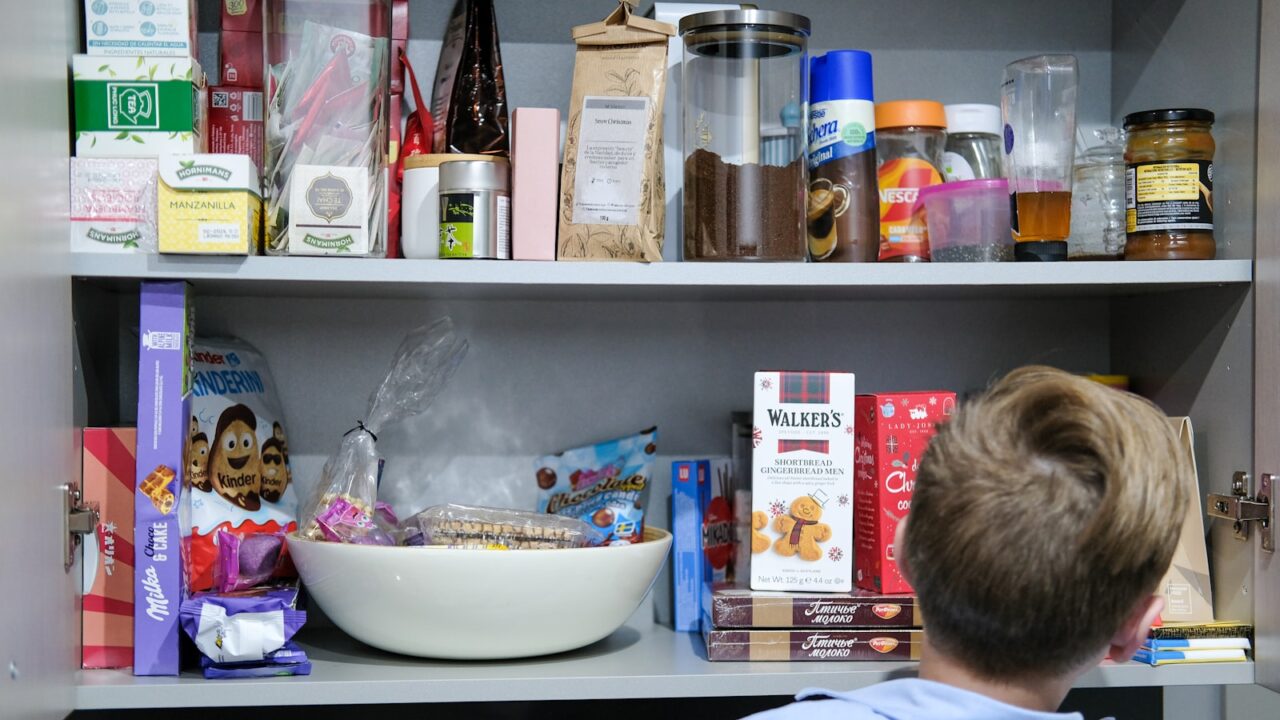
If small brownish moths keep fluttering out of your kitchen cupboard, you are probably dealing with pantry moths. In Singapore’s warm, humid climate they breed quickly inside flour, rice, cereal and other dry goods. So what is a pantry moth, exactly, and how do you get rid of an infestation without throwing out your whole pantry? Here is a clear, practical guide for HDB and condo kitchens.
What Is a Pantry Moth?
A pantry moth is a small moth whose larvae feed on stored dry food. The most common species in Singapore is the Indian meal moth (*Plodia interpunctella*). The adult is about 8–10mm long with a distinctive two-tone wing — pale grey near the body and coppery-brown towards the tip.
The damage is not done by the adult moth, which does not really feed. It is the caterpillar-like larvae that eat through grains, leaving behind silken webbing, clumped food and tiny droppings.
A full life cycle (egg to adult) can run in just a few weeks in our heat, which is why an outbreak seems to appear overnight.
How They Get Into Your Kitchen
Pantry moths almost always arrive inside the food you buy. Eggs or larvae hitchhike in packaging from the supplier, warehouse or shop, then hatch in your cupboard.
Common entry points include:
- Bags of rice, flour, oats and cereal
- Nuts, dried fruit, spices and birdseed
- Pet food and dry pasta
- Chocolate and biscuits
Because they come in with the groceries, even a spotless kitchen can get them. They are a food-storage problem, not a hygiene failing.
Signs You Have Pantry Moths
Look for these tell-tale signs:
- Small moths flying near cupboards, often at dusk or when you switch on the kitchen light
- Silky webbing inside food packets or in cupboard corners
- Clumped, sticky-looking grains or flour
- Tiny cream-coloured larvae crawling along shelves, walls or even the ceiling
- A musty smell in long-stored dry goods
How to Get Rid of Pantry Moths
Clearing an outbreak takes a thorough one-off effort. Work through these steps in order.
- Empty the cupboard completely. Take out every item, not just the obvious one.
- Inspect each package. Throw out anything with webbing, larvae or clumping. Seal infested food in a bag before binning it, and take the rubbish out immediately.
- Vacuum the empty shelves, paying attention to corners, cracks and the underside of shelves where larvae pupate. Empty the vacuum afterwards.
- Wipe down all surfaces with warm soapy water, then dry thoroughly. Moisture invites trouble.
- Check the ceiling and wall edges — larvae often crawl up high to pupate.
- Re-store survivors in airtight containers. Anything you keep should be sealed so any missed eggs cannot spread.
You can place a few moth pheromone traps to catch remaining adult males and monitor whether the problem is fading. These are a monitoring aid, not a cure on their own.
How to Prevent Pantry Moths Coming Back
Prevention is mostly about storage and stock control.
| Habit | Why it helps |
|---|---|
| Decant dry goods into airtight glass or hard plastic containers | Seals out moths and stops any stray eggs spreading |
| Buy smaller quantities you will use quickly | Less time for an infestation to build |
| Freeze new grains/flour for 3–4 days | Kills any eggs that came in with the packaging |
| Wipe shelves regularly | Removes spilled food that feeds larvae |
| Rotate stock — use older items first | Prevents forgotten packets becoming breeding sites |
Insect screens on kitchen windows also help reduce other flying insects coming indoors, though pantry moths themselves usually arrive in food rather than through the window.
Pantry Moths vs Clothes Moths
It is worth knowing that the moth in your cupboard is not the same one chewing holes in your jumpers. Pantry moths (Indian meal moths) target dry food and are drawn to the kitchen, while clothes moths feed on natural fibres like wool and silk in your wardrobe. They look different, too — pantry moths have that two-tone copper-and-grey wing, whereas clothes moths are plain golden-buff and tend to scuttle rather than fly to light. If the moths are coming from your bedroom or storage rather than the kitchen, read our guide on getting rid of moths in your wardrobe instead, as the treatment is different. Getting the identification right saves you from clearing out the wrong cupboard.
Why Pantry Moths Thrive in Singapore Kitchens
Our climate is the real reason a few stray eggs turn into a full outbreak so fast. Steady warmth of around 30°C and high humidity speed up the moth’s life cycle, so eggs that might sit dormant in a cooler country hatch and mature quickly here. HDB and condo kitchens add their own risk factors: bulk-buying rice and flour, deep cupboards that are rarely emptied, and packets pushed to the back and forgotten. The fix is largely behavioural — buy less, store airtight, and keep stock moving. Pantry moths often travel with the same shipments as beetles and weevils, so if you are also seeing small crawling insects in your grains, our guides on grain and flour beetles and pantry pests in general cover those cousins. A genuinely pest-proofed kitchen is the long-term answer.
Frequently Asked Questions
Are pantry moths harmful to eat?
Do pantry moths spread to other rooms?
Will they go away on their own?
Do pheromone traps get rid of them?
When to Call a Professional
A single cupboard outbreak is usually a DIY job. But if moths keep returning after a thorough clear-out, or you are seeing them across multiple rooms, the source may be hidden — a forgotten store, a shared rubbish chute area, or larvae pupating deep in cabinetry.
In that case, a professional inspection can locate the source and treat it. Our pest control in Singapore team can assess persistent stored-product pest problems in HDB flats and condos.
Related Guides
- How to get rid of pantry pests
- Getting rid of weevils in rice
- Grain and flour beetles in your pantry
- How to pest-proof your kitchen
- Getting rid of moths in your wardrobe
*Pantry moths back for a second round? Get a free pest-control quote and clear the source for good.*