Cockroach Allergy & Asthma: What to Know (Singapore)
Cockroaches aren’t just unpleasant to see — they’re a recognised indoor allergen, and a cockroach allergy can trigger or worsen asthma, especially in children. In humid Singapore homes where cockroaches are common, understanding this link helps you protect your family’s breathing. This guide explains how cockroach allergy works, the signs to watch for, and how to reduce exposure.
What Is a Cockroach Allergy?
A cockroach allergy is a reaction to proteins found in cockroach saliva, droppings, shed skins and body parts. These particles become part of household dust and can be breathed in. For sensitive people, exposure can cause allergic symptoms and, importantly, act as a trigger for asthma attacks.
This is well documented in allergy and respiratory medicine: cockroach allergens are among the common indoor triggers in warm, humid climates — which describes Singapore exactly.
Signs and Symptoms
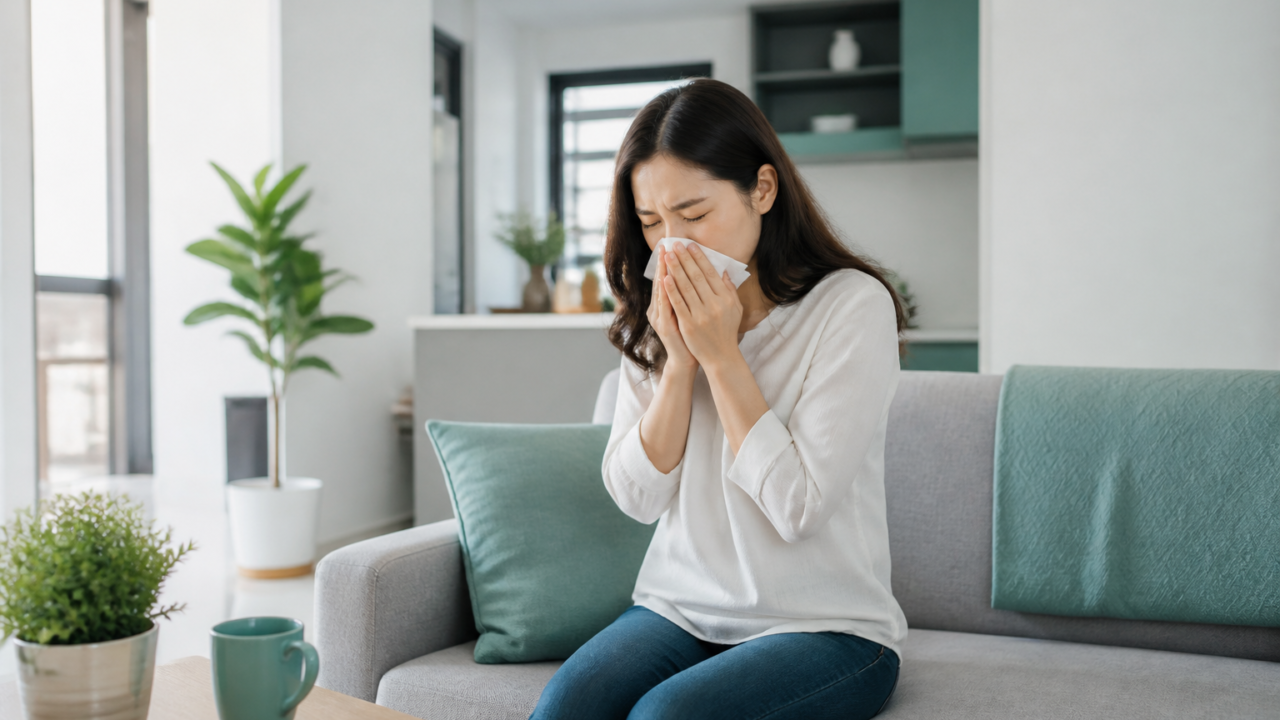
A cockroach allergy can look similar to other indoor allergies. Common symptoms include:
- Sneezing, runny or blocked nose
- Itchy, watery or red eyes
- Coughing and post-nasal drip
- Skin rashes in some people
- In people with asthma: wheezing, chest tightness, shortness of breath and more frequent attacks
Symptoms that persist indoors, especially in a home where cockroaches have been seen, are worth discussing with a doctor.
Who Is Most at Risk
Anyone can develop a cockroach allergy, but the risk is higher for:
- Children, who may develop asthma linked to early allergen exposure
- People who already have asthma or other allergies
- Households with a long-standing or heavy cockroach presence
Reducing exposure is especially important in homes with asthmatic children.
How to Reduce Cockroach Allergen at Home
The most effective step is to remove the cockroaches and clean up the allergens they leave behind.
- Eliminate the cockroaches. Allergen levels stay high while roaches remain. Use baits and targeted treatment, and address the infestation source.
- Clean thoroughly. Vacuum (ideally with a HEPA filter), wipe surfaces, and clean inside cabinets where droppings collect.
- Wash fabrics. Curtains, cushion covers and bedding can hold allergens.
- Cut off food and water. Store food sealed, fix leaks, and clear crumbs and dishes promptly.
- Seal entry points — gaps around pipes, under doors, and along skirting.
- Control humidity where possible, as roaches favour damp areas.
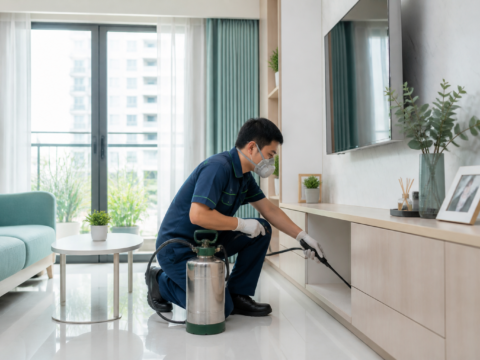
For a stubborn infestation, professional cockroach control in Singapore clears the source far more reliably than spot-spraying, which often just scatters them.
Singapore-Specific Pointers
In HDB flats and condos, cockroaches frequently travel between units through shared pipes, rubbish chutes and gaps. That means:
- A neighbour’s infestation can affect you — coordinate where possible.
- Keep rubbish chute hatches closed and dispose of waste in sealed bags.
- Treat kitchen and bathroom voids, common entry routes in flats.
If roaches keep returning despite cleaning, the source may be outside your unit, and a professional inspection helps trace it. Our guide on keeping pests out of your HDB rubbish chute covers one common route.
See a Doctor If…
Speak to a doctor if you or your child have persistent allergy symptoms indoors, worsening asthma, frequent night-time coughing or wheezing, or breathing difficulty. Seek urgent medical care for any severe breathing problem or asthma attack. A doctor can confirm whether a cockroach allergy is involved and advise on treatment.
Why Spraying Alone Often Isn’t Enough
Many people reach for a can of insecticide when they see a roach, but this rarely solves an allergy problem. Spot-spraying kills the roaches you see while leaving the hidden population — and the existing allergens in dust — untouched. It can even scatter roaches into new areas. For allergy and asthma sufferers, the goal is to lower the overall allergen load, which means removing the colony at its source and then cleaning thoroughly.
That combination — proper treatment plus a deep clean of droppings, shed skins and dust — is what actually reduces symptoms over time.
Reducing Triggers Alongside Cockroach Control
Cockroach allergen rarely acts alone. If someone in your home has asthma, it helps to reduce other common indoor triggers at the same time:
- Lower humidity with aircon or a dehumidifier, which also discourages roaches.
- Wash bedding regularly and use a HEPA-filter vacuum.
- Address dust mites, another major indoor trigger in humid Singapore.
- Keep the kitchen clean and food sealed, removing what roaches feed on.
Tackling several triggers together tends to give the biggest improvement in symptoms.
Clearing cockroaches isn’t only about comfort — for allergy and asthma sufferers, it’s part of a healthier home.
Keeping Cockroaches Out Long-Term
Removing the colony is only half the job; the other half is making sure roaches can’t simply walk back in. Cockroaches travel through gaps under doors, around pipes and through unscreened windows and vents. Sealing those routes and fitting window insect screens keeps re-invasion down, which in turn keeps allergen levels from climbing again. Pair that with good kitchen habits — sealed food, prompt clearing of crumbs and dishes, and fixing damp spots — and you remove both the entry points and the reasons roaches stay. For a fuller routine, see our guides on how to keep cockroaches away and how to prevent cockroaches.
Frequently Asked Questions
Can cockroaches really trigger asthma?
Do I have to see a cockroach to have an allergy problem?
Will an air purifier fix a cockroach allergy?
Is bleach or insecticide spray enough?
Related guides
- Are cockroaches dangerous?
- Why do I have cockroaches?
- How to prevent cockroaches
- Dust mites and allergies
- Types of cockroaches in Singapore
- Window insect screens
*Cockroaches affecting your family’s health? Get a free quote for cockroach control and we’ll help clear them at the source.*