How to Get Rid of Carpet Beetles (Singapore)
Small holes in a favourite shirt, thinning patches in a wool rug, or tiny beetles near a sunny window — these are signs of carpet beetles. They’re easy to overlook, but their larvae quietly feed on natural fibres and can do real damage to clothing, carpets and soft furnishings. In Singapore’s humid homes they can persist year-round, so here’s how to spot, clear and prevent carpet beetles.
What carpet beetles look like
Knowing what you’re dealing with helps you act before damage spreads.
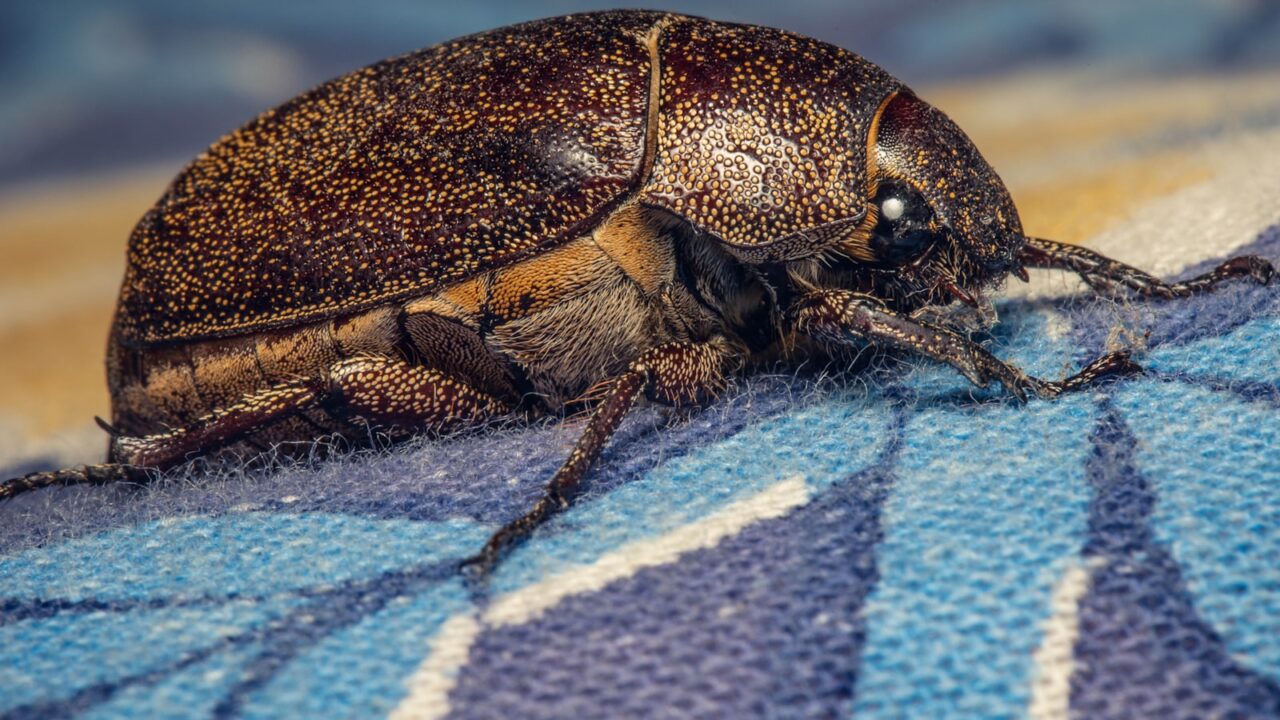
- Adult carpet beetles are tiny, rounded and often mottled brown, black or patterned. They’re harmless to fabrics themselves and are often seen near windows, drawn to light.
- The larvae do the damage. They’re small, elongated and bristly or “furry” looking, and they hide in dark, undisturbed spots.
It’s the larvae you need to target. The adults are mainly a sign that eggs may have been laid nearby. Adults fly in from outside, often in the warmer, brighter part of the day, lay their eggs on natural fibres, and then the next generation of larvae quietly feeds out of sight — which is why an infestation can build for weeks before you notice the damage.
Signs you have carpet beetles
Look for these clues:
- Irregular holes in clothing, especially wool, silk, leather or other natural fibres.
- Bare or thinning patches on carpets and rugs.
- Shed larval skins — tiny, bristly cast-offs in drawers, wardrobes or along skirting.
- Adult beetles on windowsills or near light.
Carpet beetles favour natural fibres, so synthetic-only items are usually spared. Check stored woollens and natural-fibre rugs first.
Carpet beetles vs clothes moths
Because both leave holes in natural fabrics, carpet beetles are easily confused with clothes moths — and the difference changes where you look. Carpet beetle damage tends to be scattered small holes, often with bristly shed larval skins nearby and no webbing. Clothes-moth damage usually comes with fine silken threads or web-like casings, and you may see small moths flying out of a wardrobe when disturbed.
If you’re finding webbing rather than bristly skins, our guide on moths in the wardrobe and how to get rid of them is the better fit. The clearing steps overlap heavily — hot washing, freezing, sealed storage and thorough vacuuming work against both — but correct identification helps you focus on the right hiding spots.
Where they hide
Larvae avoid light and disturbance, so they gather in quiet spots:
- Under and behind heavy furniture
- In wardrobes and storage boxes with natural-fibre items
- Along skirting boards and carpet edges
- In rarely cleaned corners and under rugs
- In air-con vents and lint where shed fibres collect
Finding the hiding spots is key — clearing only what you can see leaves the larvae feeding.
How to get rid of carpet beetles
A thorough clean-out is the core of the job:
- Vacuum intensively — carpets, rugs, skirting, under furniture, wardrobe floors and along edges. Empty the vacuum outside afterwards.
- Wash affected fabrics on the hottest safe setting; dry-clean delicate items.
- Freeze items that can’t be washed (sealed in a bag for several days) to kill larvae and eggs.
- Clean wardrobes and drawers before returning items.
- Steam clean carpets and upholstery if possible — heat kills all life stages.
- Discard heavily damaged items, sealed in a bag.
Repeat vacuuming over the following weeks to catch any larvae you missed, since eggs and larvae can be tucked deep in fibres.
Preventing carpet beetles
Once you’ve cleared them, keep them from returning:
| Prevention step | Why it helps |
|---|---|
| Vacuum regularly, including edges and corners | Removes eggs, larvae and shed fibres |
| Store woollens and natural fabrics sealed | Denies larvae a food source |
| Reduce humidity with good airflow or aircon | Less favourable conditions |
| Check second-hand fabrics before bringing them in | Avoids introducing larvae |
| Keep windows screened | Stops adults flying in to lay eggs |
Fitting window insect screens helps keep adult beetles from flying in to lay eggs — a quiet, ongoing layer of prevention. Cleaning the screens themselves now and then matters too, since shed fibres and lint collect in the mesh; our guide on how to clean insect screens covers the quick routine.
When to call a professional
A small, early carpet beetle problem usually responds well to thorough cleaning and storage habits. But a widespread or recurring infestation — damage across multiple rooms, or beetles that keep returning despite deep cleaning — points to larvae hidden somewhere you haven’t reached.
If carpet beetles persist after a determined clean-out, professional pest control in Singapore can locate the harbourage and treat it directly. For another common fabric and clutter pest, our guide on how to get rid of silverfish is worth a read, and if the damage is in wooden furniture rather than fabric, see wood-boring beetles and woodworm.
Frequently asked questions
Do carpet beetles bite?
Where do carpet beetles come from?
Will carpet beetles go away on their own?
Do they only attack carpets?
Related guides
- Moths in the wardrobe: how to get rid
- How to get rid of silverfish
- How to get rid of dust mites
- Wood-boring beetles and woodworm
- How to clean insect screens
The bottom line
Carpet beetles do their damage as larvae, hidden in quiet, undisturbed spots. Beat them with thorough vacuuming, hot washing, sealed storage of natural fibres, and humidity control — then keep up regular cleaning to prevent a return. Bring in a professional for any infestation that won’t clear.
*Carpet beetles damaging your fabrics despite cleaning? Contact Insect Out for a free assessment and targeted treatment.*