How to Get Rid of Earwigs in Your Home (Singapore)
Those slim, brown insects with the menacing little pincers at the rear are earwigs — and despite the old myth, they don’t crawl into ears. They’re mostly harmless, but finding them around sinks, drains and damp corners is unpleasant, and Singapore’s humidity gives them plenty of places to thrive. Here’s how to get rid of earwigs and keep them from coming back.
What earwigs are (and aren’t)
Earwigs are small, elongated insects, usually reddish-brown, with a distinctive pair of pincers (called cerci) at the tail end. The pincers look alarming but are mainly used for defence and handling food; they can give a tiny nip if handled but aren’t dangerous.
Importantly, earwigs don’t infest homes the way cockroaches or ants do. They’re moisture-loving outdoor insects that wander indoors looking for damp shelter — which is the key to how to get rid of earwigs effectively.
Why earwigs come indoors
Earwigs need moisture to survive, and Singapore’s humid climate suits them perfectly. They head indoors when it’s wet outside, or when they find cool, damp hiding spots inside, such as:
- Around sinks, drains and bathrooms
- Under potted plants on balconies
- In damp corners, under mats and along skirting
- Near leaks or condensation
Spot the pattern: earwigs follow moisture. Dry out their hiding places and most of the problem disappears.
How to get rid of earwigs
Tackle the ones inside, then remove what draws them:
- Vacuum or sweep up any earwigs you see and dispose of them outside.
- Wipe down damp areas around sinks and drains where they gather.
- Set simple traps — a slightly damp rolled-up newspaper or a small container with a little oil left in a corner overnight lures them, ready to discard in the morning.
- Remove damp clutter, mats and cardboard where they shelter.
- Move potted plants away from doorways, as they often hide in the soil and saucers.
You rarely need heavy chemicals — earwigs are wanderers, and removing moisture and shelter does most of the work. If you keep finding them in the same spot, check directly above and around it for a leak, a damp wall or a tray of standing water, because there’s almost always a moisture source nearby that’s drawing them in night after night.
Reduce moisture and shelter
Because earwigs are moisture-driven, prevention is mostly about drying things out:
| Action | Why it helps |
|---|---|
| Fix leaks and drips promptly | Removes the moisture they seek |
| Use aircon or fans for airflow | Lowers indoor humidity |
| Empty plant saucers of standing water | Cuts a favourite damp hiding spot |
| Clear damp cardboard and clutter | Removes shelter |
| Keep bathrooms and kitchens dry | Makes the home less inviting |
A drier home is far less appealing to earwigs — and to many other Singapore pests too.
Earwigs are part of a bigger damp-pest picture
If earwigs are turning up, they’re rarely alone. The same cool, humid conditions that draw them in also attract a whole group of moisture-loving pests, and seeing one often means the others aren’t far behind. It’s worth a quick look around for:
- Silverfish, which feed on paper and starchy materials in damp cupboards — see how to get rid of silverfish.
- Millipedes, which march indoors in numbers after heavy rain — our guide on how to get rid of millipedes covers them.
- House centipedes, fast-moving night hunters that follow the same damp harbourage; see how to get rid of house centipedes.
- Springtails, tiny jumping insects that swarm in over-watered plant soil — how to get rid of springtails explains them.
The encouraging part is that the fix is shared: lower the humidity, dry out the hiding spots and seal the entry points, and you discourage the whole group at once rather than chasing them one species at a time.
Seal them out
Stop earwigs getting in to begin with:
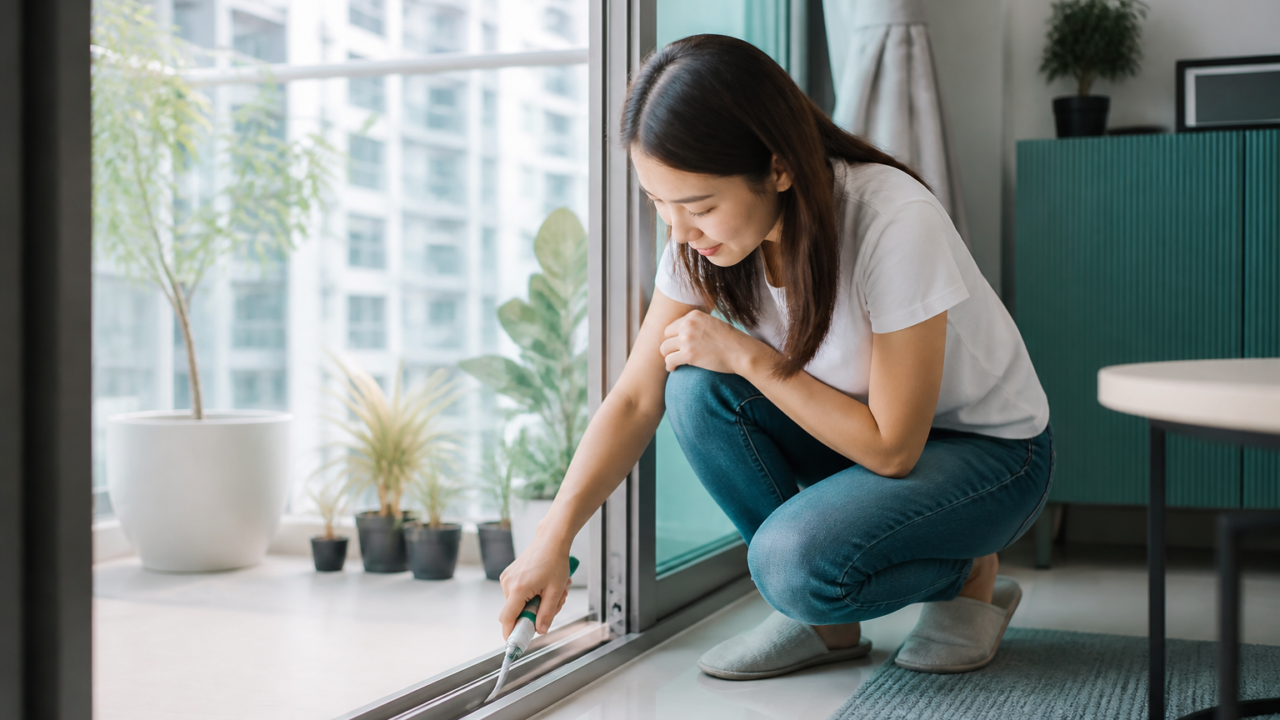
- Seal gaps around doors, windows, pipes and skirting.
- Fit door sweeps on doors with gaps at the bottom.
- Install window insect screens so you can keep windows open for ventilation — which lowers humidity — without letting earwigs and other insects crawl in.
Screening is a quiet, long-term barrier that pays off against several wandering pests at once, and is one of the simplest steps in our broader guide on how to keep insects out of the house.
When to call a professional
Earwigs are usually a minor, manageable problem, and the steps above handle most cases. But if you’re regularly seeing large numbers indoors, it often signals a bigger moisture issue or other pests sheltering in the same damp conditions.
If earwigs keep appearing despite drying out and sealing up, or you’re noticing other pests alongside them, professional pest control in Singapore can identify the underlying conditions and treat the affected areas.
Frequently asked questions
Do earwigs really go in your ears?
Are earwig pincers dangerous?
Why do I suddenly have earwigs after rain?
Do earwigs damage my home or plants?
Related guides
- How to get rid of silverfish
- How to get rid of millipedes
- How to get rid of house centipedes
- How to get rid of springtails
- How to keep insects out of the house
The bottom line
The key to how to get rid of earwigs is moisture control. They’re harmless wanderers drawn indoors by damp, so dry out hiding spots, remove clutter, seal entry points and screen your windows. Do that and earwigs have little reason to stay.
*Earwigs and other damp-loving pests won’t quit? Contact Insect Out for a free assessment and advice.*