Powderpost Beetles in Furniture: What to Do (Singapore)
If you keep finding a fine, flour-like dust under a wooden table, cabinet or floorboard, a powderpost beetle may be the culprit. These small wood-boring beetles attack certain hardwoods and bamboo, and Singapore’s humidity makes infestations easier to sustain. This guide covers how to identify a powderpost beetle, why it targets your furniture, and what to do about it.
What is a powderpost beetle?
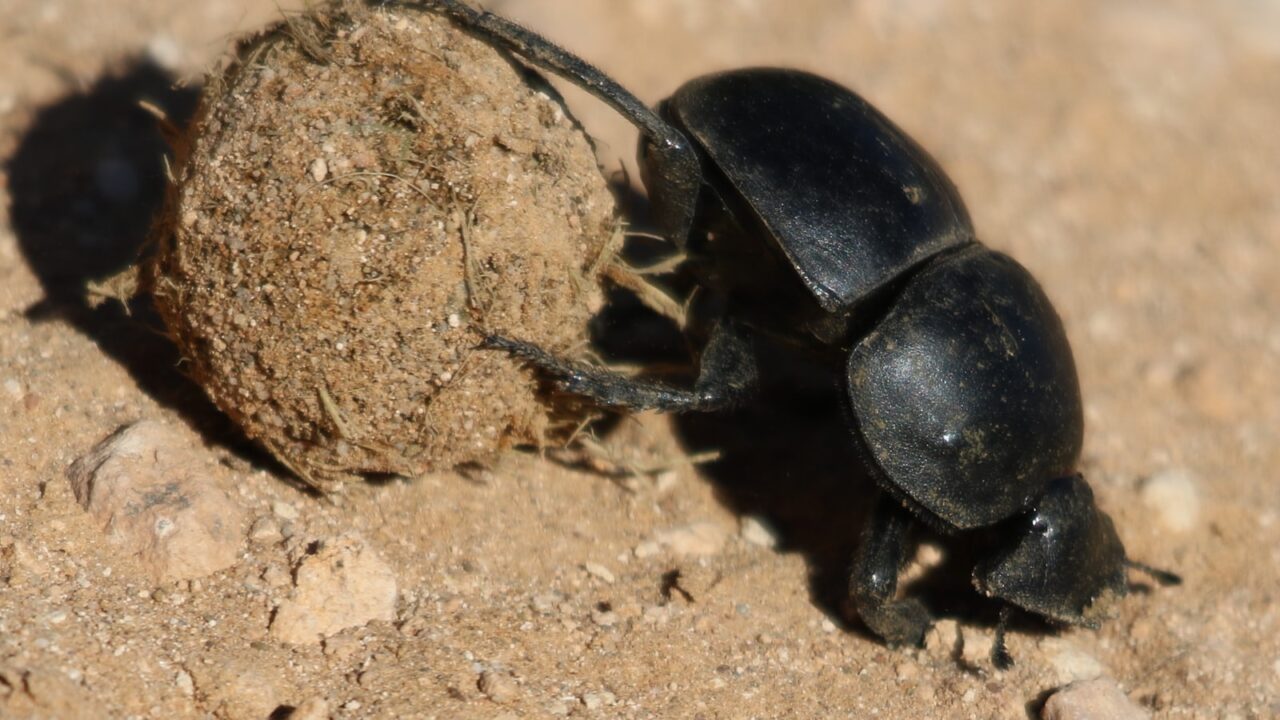
Powderpost beetles are small wood-boring beetles, usually only a few millimetres long, that get their name from the talc-fine powder their larvae produce. The grubs tunnel through the wood, and emerging adults leave tiny exit holes.
They typically attack hardwoods with open pores and bamboo, which means furniture, parquet flooring, rattan items, picture frames and bamboo decor are all at risk. Softwoods are usually less affected.
How to identify a powderpost beetle infestation
Key signs include:
- Very fine, soft powder (almost like flour or talc) on or under furniture — finer than the coarser frass of many other borers.
- Small round exit holes, roughly 1–2mm across.
- Fresh, pale powder that reappears after you clean it away — a sign the infestation is active.
- Occasionally, small reddish-brown to black beetles near affected wood or windows.
The talc-like texture of the powder is the most distinctive clue. If the dust is coarser and you see different hole shapes, you may be dealing with another type of wood borer — compare with our guide to wood-boring beetles and woodworm.
Powderpost beetle vs termites
Both damage timber, but the signs differ:
| Feature | Powderpost beetle | Termites |
|---|---|---|
| Powder/frass | Fine, flour-like | Mud, soil or pellets |
| Exit holes | Yes, tiny and round | No |
| Mud tubes | No | Yes (subterranean) |
| Preferred material | Hardwoods, bamboo | Many timbers, paper, cardboard |
If you find mud tubes or no exit holes at all, it’s more likely termites — see professional termite control in Singapore for that pest.
Why Singapore furniture is vulnerable
A few local factors increase the risk:
- Humidity keeps timber moisture high, which suits the larvae.
- Bamboo and rattan decor are popular and naturally susceptible.
- Imported, antique or second-hand pieces can carry beetles into the home.
Keeping rooms ventilated and timber drier — for example with air-conditioning or a dehumidifier — makes furniture less hospitable.
DIY treatment and its limits
For a single affected item, you can try:
- Isolate the piece to stop beetles spreading to other furniture.
- Vacuum the powder, then re-check in a few days for fresh dust.
- Apply a wood borer / powderpost treatment fluid per the product label, working it into holes and surfaces.
- Lower the room’s humidity to discourage re-infestation.
- For small removable items, freezing can kill larvae inside.
DIY won’t reach larvae buried deep in thick timber, and surface treatments can miss an established colony inside the wood.
When to call a professional
Bring in a professional if:
- Powder keeps reappearing after DIY treatment.
- Several pieces, parquet flooring or built-in joinery are affected.
- You’re unsure whether it’s beetles or termites.
A technician can confirm the species and apply targeted treatment so the infestation doesn’t quietly spread. For anything beyond a single item, professional pest control in Singapore is the reliable choice.
How to prevent powderpost beetles
Once you’ve cleared an infestation, a few habits keep beetles from returning:
- Inspect before you buy. Check second-hand, antique, bamboo and rattan items for tiny holes and powder before bringing them home.
- Seal exposed timber. Varnish, paint or a sealing finish closes the open pores that female beetles lay eggs in.
- Control humidity. Air-conditioning, good ventilation or a dehumidifier keeps timber drier and far less attractive.
- Store wood and bamboo off damp floors and away from outside walls.
- Re-check treated items for a few months to catch any survivors early.
These steps matter most for bamboo and open-pored hardwood pieces, which are the powderpost beetle’s favourite targets in Singapore homes. A sealed, dry piece in an air-conditioned room is far safer than bare timber stored in a humid corner, so where you keep an item matters as much as the item itself.
Which materials powderpost beetles prefer
Not all timber is equally at risk, and knowing the difference helps you decide what to watch. Powderpost beetles favour open-pored hardwoods — oak, ash, walnut, rubberwood and many tropical hardwoods used in furniture — because the wide pores give females a place to lay eggs. Bamboo and rattan are especially vulnerable, as both are starch-rich and thin-walled, which is why woven baskets, blinds, bamboo furniture and decorative items so often show fine holes. Softwoods like pine and well-sealed or painted surfaces are far less appealing. If you collect rattan or bamboo decor, treat every new piece as suspect until you’ve checked it, and store it somewhere dry and ventilated rather than a humid balcony or store room.
A simple check before you buy second-hand
Antique fairs, thrift stores and online resale are common ways powderpost beetles enter a home. Before bringing a wooden or bamboo piece indoors, run through a quick inspection: look for clusters of tiny round holes, tap the item over a sheet of paper and watch for fresh, flour-fine powder, and feel for any soft, crumbly patches. If you find fresh powder, the infestation is likely active — keep the item isolated and treat or freeze it before it joins the rest of your furniture, or pass on the purchase entirely.
Frequently asked questions
How do I know if a powderpost beetle infestation is active?
Are powderpost beetles harmful to people?
Can I save an infested piece of furniture?
Will air-conditioning help?
Related guides
- Wood-boring beetles and woodworm
- Drywood termites in Singapore
- Anti-termite treatment explained
- Termite inspection: what to expect
- Pest control in Singapore
*Finding flour-like powder under your furniture? Ask Insect Out for a free assessment.*