Drywood Termites in Singapore: Signs & Treatment
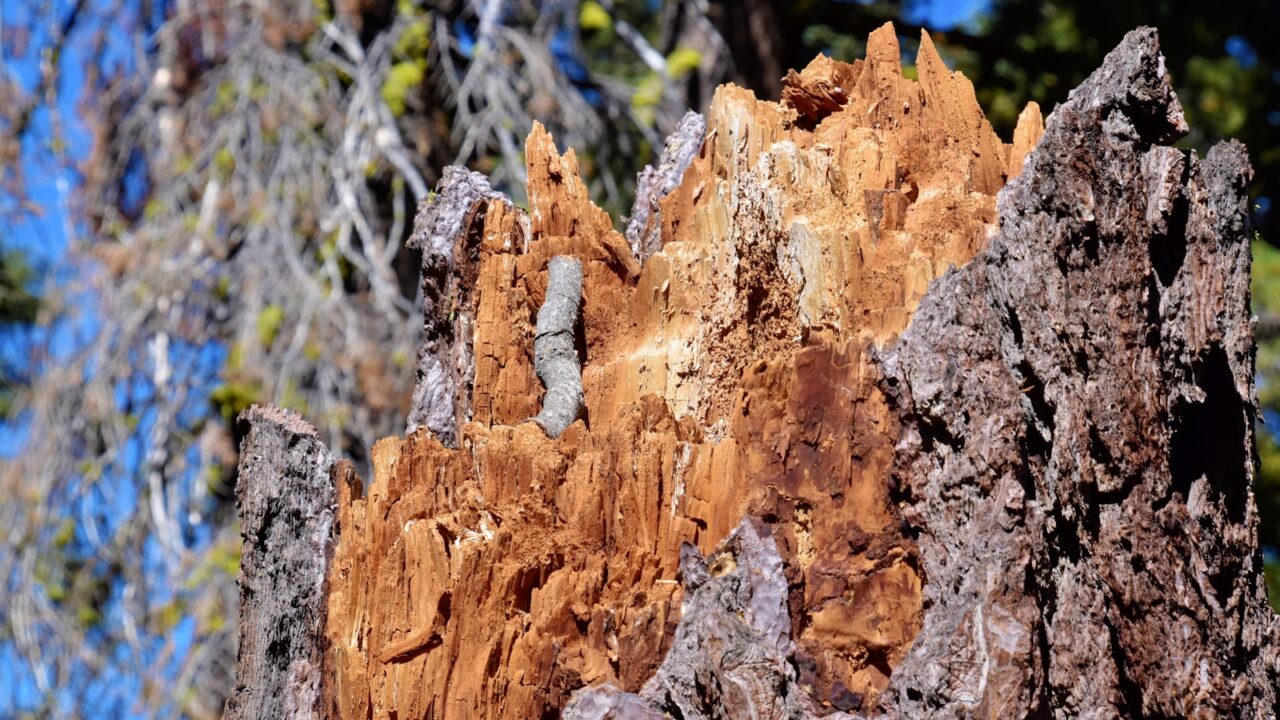
Most people picture termites coming up from the ground, but not all do. A drywood termite in Singapore can live entirely inside a piece of furniture, a door frame or a timber beam without ever touching soil. That makes them easy to miss until the damage is done. Here’s how to spot and treat them.
How drywood termites differ from subterranean termites
The two groups behave very differently, which is why correct identification matters:
| Feature | Drywood termites | Subterranean termites |
|---|---|---|
| Needs soil contact | No | Yes |
| Lives in | Dry timber, furniture, beams | Underground, enters via mud tubes |
| Colony size | Smaller (hundreds to thousands) | Very large (often hundreds of thousands) |
| Tell-tale sign | Frass (wood pellets) | Mud tubes |
| Spread | Localised | Can be widespread |
Because a drywood termite in Singapore doesn’t build mud tubes, the signs are subtler and the infestation is often confined to specific items.
Signs of a drywood termite problem
Look for these clues, particularly in older wooden furniture, parquet, door frames and timber fittings:
- Frass: Small, dry, oval pellets that look like coarse sawdust or coffee grounds, often in little piles below infested wood.
- Tiny “kick-out” holes: Pin-sized holes in the timber through which termites push out frass.
- Hollow or papery sound when you tap the wood.
- Discarded wings near windows if a colony has swarmed.
- Blistered or sagging timber surfaces.
Frass is the clearest sign — if you keep finding little piles of pellets you’ve swept away before, drywood termites are likely active.
Why they thrive in Singapore homes
Singapore’s consistent warmth suits drywood termites year-round. They’re also commonly introduced through infested furniture — including second-hand or imported wooden items — rather than migrating from the garden. Once inside, they can quietly spread to other timber in the home.
This is why inspecting second-hand wooden furniture before bringing it in is a sensible habit.
How drywood termites are treated
Treatment depends on how far the infestation has spread:
- Localised treatment: For a single infested item or a small area, direct injection of termiticide into the galleries can clear the colony.
- Fumigation: For widespread infestations across structural timber, professional fumigation may be recommended to penetrate all affected wood.
- Heat treatment: In some cases, controlled heat is used to treat infested items.
- Disposal: Sometimes replacing a badly damaged, isolated item is the most practical option.
Because colonies hide deep inside timber, surface sprays don’t reach them — proper treatment requires professional assessment. Our termite control service in Singapore can identify whether you’re dealing with drywood or subterranean termites and recommend the right approach.
What you can do yourself
You can’t reliably clear an established colony on your own, but you can reduce risk:
- Inspect second-hand and antique wooden furniture before bringing it home
- Keep timber items dry and well-ventilated
- Seal cracks and finishes on bare wood, as exposed timber is more vulnerable
- Act quickly on the first sign of frass rather than waiting
For a broader overview of termite removal, see our guide on how to get rid of termites.
When to call a professional
If frass keeps reappearing, you find multiple infested items, or structural timber is involved, get a professional inspection. A drywood termite problem that’s allowed to spread can affect fixed joinery and structural wood that’s expensive to replace.
How a drywood infestation spreads through a home
Because a single drywood colony stays small and localised, many people assume one treated cabinet is the end of it. In practice, a mature colony periodically releases winged swarmers (alates) that fly a short distance, shed their wings, pair up and bore into fresh timber nearby — a skirting board, a wardrobe, a door frame, parquet. That’s how an infestation that began in one imported bookshelf can, over months, show up in joinery across the room. Finding flying termites or small piles of wings indoors near a wooden item is therefore worth taking seriously, even if the wood looks sound. Catching it at the first frass pile keeps treatment to a single item rather than a whole-room job.
Could it be wood borers instead?
Drywood termites aren’t the only thing that bores into timber and leaves powder behind. Powderpost beetles and other wood-boring beetles also tunnel through furniture and timber, pushing out a fine, flour-like dust through small round exit holes. The treatments differ, so it’s worth telling them apart: termite frass is made of hard, six-sided pellets, whereas beetle frass is a soft, talc-like powder. If the dust feels floury rather than gritty, you may be dealing with beetles rather than termites — see our guides on powderpost beetles in furniture and wood-boring beetles and woodworm. When you’re unsure, a professional inspection settles the question quickly, since the correct treatment depends entirely on which one you have.
Frequently asked questions
Are drywood termites the same as the ones that come up from the ground?
Can I just throw out the infested furniture?
How do I tell frass from ordinary sawdust?
Does unfinished wood attract them?
Related guides
- How to get rid of termites
- Subterranean vs drywood termites
- Signs of termites in your home
- Termite treatment cost in Singapore
- Powderpost beetles in furniture
*Found frass or papery timber? Book a free termite inspection and we’ll confirm the species and treat it.*