Are Ants Harmful? When Ants Become a Problem
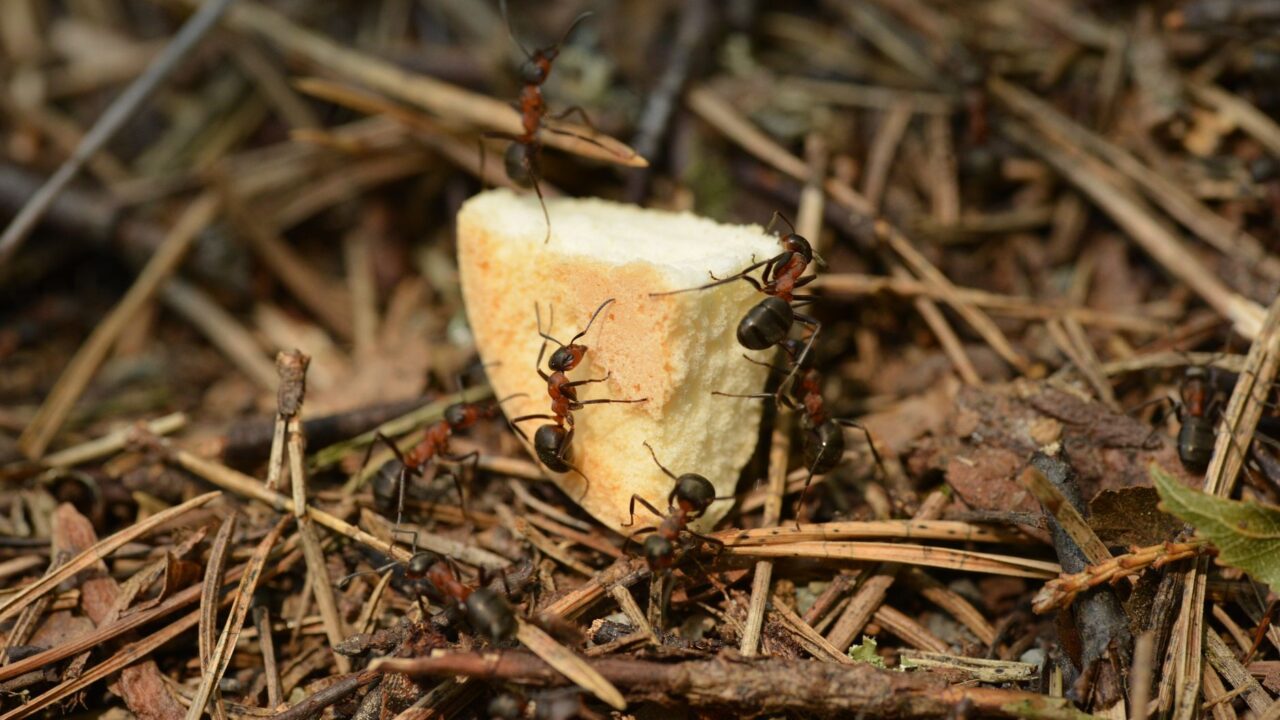
Ants are so common in Singapore homes that it’s easy to ignore them — but sometimes they’re more than a nuisance. So are ants harmful, or just annoying? The honest answer is: it depends on the species, the numbers and where they end up. Here’s when ants are merely a bother and when they become a genuine problem worth acting on.
Most ants are a nuisance, not a danger
For the majority of small household ants in Singapore, the main issue is annoyance and food contamination, not direct harm. They march across counters, get into food and follow scent trails, but they don’t pose a serious health threat in small numbers. So in everyday terms, are ants harmful? Usually not seriously — but there are real exceptions.
When ants contaminate food
This is the most common real downside. Ants travel across drains, bins, floors and outdoor areas before reaching your food. Along the way they can carry bacteria onto:
- Exposed food and ingredients
- Plates, utensils and prep surfaces
- Pet food
It’s rarely a major health risk for healthy adults, but it’s reason enough to keep ants out of the kitchen — and to discard food they’ve been crawling over.
When ants bite or sting
Some ants do bite or sting, and that’s where “are ants harmful” gets a firmer yes:
- Biting ants can cause painful nips, especially when a nest is disturbed.
- A few species deliver stings that cause welts, itching or, in sensitive people, stronger reactions.
If anyone in the home reacts badly to bites or stings, treat a biting-ant problem as one to clear promptly. For severe reactions, seek medical advice.
When ants damage wiring and structures
Ants can cause practical, costly problems beyond the kitchen:
- Electrical points and appliances: ants sometimes nest in sockets, switches, routers and appliances, where they can cause short circuits or faults.
- Wall voids and structures: large or persistent colonies nesting in walls can be hard to remove and a recurring nuisance.
If you find ants consistently around electrical points or nesting inside the structure, that’s a clear sign the problem has moved beyond cosmetic.
When ants become a problem worth acting on
As a rule, step up your response when you see:
- Persistent trails that return despite cleaning and baiting
- Ants in multiple rooms or evidence of several colonies
- Nesting in walls, sockets or appliances
- Biting or stinging ants, especially with anyone sensitive at home
- Repeated food contamination in the kitchen
At that point, ants are no longer just background noise. Start with baiting and sanitation — our guide on how to get rid of ants in Singapore covers the steps.
When to call a professional
DIY baiting and good habits handle most ant problems. But it’s worth calling in help when ants are nesting in walls or electrical points, when biting ants are involved, or when trails keep returning no matter what you try.
A professional can identify the species, locate the nest and treat the colony at the source — safer and more reliable than poking around sockets or wall voids yourself. For a persistent, biting or structural ant problem, professional ant control in Singapore is the dependable solution.
Are ants harmful to pets?
For most pets, ordinary household ants are a minor issue rather than a real danger — a pet might be bothered by ants in its food bowl, or nipped if it disturbs a nest of biting ants. The bigger practical concern is ants swarming pet food, which is unhygienic and best avoided by not leaving bowls out and storing pet food sealed.
Take more care with biting or stinging ants, which can cause discomfort to a curious cat or dog, and watch for any unusual reaction. As with people, a small number of ants is rarely a problem; a persistent infestation around feeding areas or nesting indoors is the point to act. Keeping pet feeding areas clean removes one of the most common reasons ants become harmful around the home.
Which ants in Singapore are worth worrying about?
Most household ants here are small, sweet-feeding species that are a nuisance more than a hazard. The ones to take more seriously are biting or stinging ants, and any ants nesting in electrical points or wall voids. Identifying the species helps you judge the risk and choose the right response — our guide to the types of ants in Singapore covers the common ones, and ant bites and stings explains what to do if you’re nipped. For ordinary trails, baiting and sanitation are enough; for biting ants or structural nesting, it’s worth escalating.
Frequently asked questions
Are household ants a health risk?
Can ants really damage electrics?
Do I need professional help for ants?
Are ants harmful to pets?
When do ants stop being just a nuisance?
Related guides
- Why are there ants in my house?
- Ant bites and stings
- Tiny ants in the kitchen
- Types of ants in Singapore
- Natural ant repellents: do they work?
*Wondering whether your ant problem has crossed the line? Contact Insect Out for a free assessment and targeted ant control.*