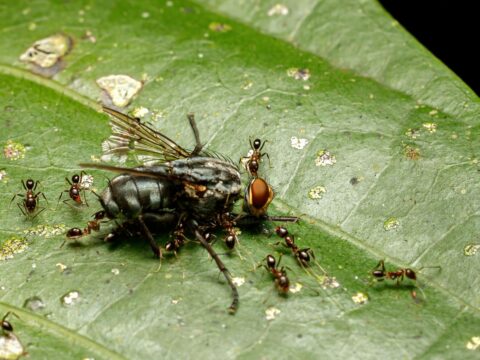
Tiny Ants in the Kitchen? Here’s How to Get Rid of Them
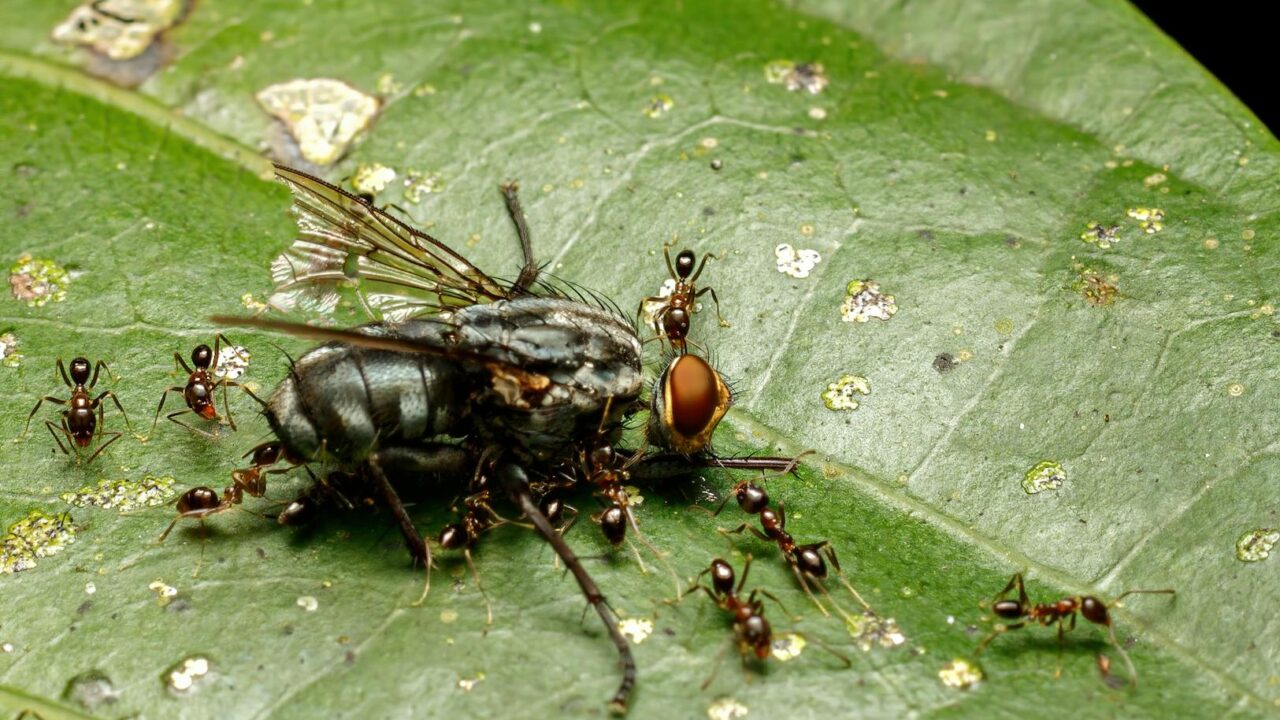
You open a cupboard or wipe the counter and there they are — a trail of tiny ants in the kitchen, seemingly out of nowhere. It’s one of the most common pest annoyances in Singapore homes, and the reassuring news is that those tiny kitchen ants usually trace back to a single nearby colony. Clear it properly and they stop. Here’s how.
Why tiny ants love the kitchen
Kitchens offer everything ants need: food, water and warmth. The tiny ants in kitchen spaces are typically small species drawn to:
- Sugary residues — spills, sticky jars, fruit, sweet drinks
- Grease and crumbs around the stove, toaster and bin
- Pet food left in bowls
- Moisture at the sink and around drains
A few scout ants find a food source, lay a scent trail, and the rest follow in a line. That’s why they appear so suddenly and in such an orderly march.
They’re usually one colony nearby
It can feel like an invasion, but a trail of tiny kitchen ants is almost always foragers from one colony — often nesting in a wall void, behind tiling, under the sink, on the balcony or just outside the unit. Only the foragers come in; the nest, queen and brood stay hidden. That’s the key insight: to truly clear them, you have to reach the colony, not just the ants you see.
How to clear them: bait, don’t just spray
The most effective approach for tiny ants in kitchen areas is baiting, because workers carry it back to feed the colony:
- Don’t spray the trail first. Spraying kills visible ants but scatters the rest and removes the trail leading to the bait.
- Erase competing food. Clean up spills and crumbs so the bait is the most attractive option.
- Place ant bait along the trail and near where ants enter. Use a bait suited to the ants (many small kitchen ants prefer sweet baits).
- Be patient. Activity may increase briefly as ants feed, then decline over days as the colony is affected. Leave the bait in place — don’t clean it away.
- Only then clean trails with soapy water or diluted vinegar once activity drops.
For a fuller routine, see our guide on how to get rid of ants in the kitchen.
Stop them coming back
Once they’re gone, keep the kitchen unattractive:
- Store food, snacks and pet kibble in sealed containers.
- Wipe counters and the stove daily, including hidden grease.
- Don’t leave dishes or pet bowls out overnight.
- Take out rubbish regularly with a tight-lidded bin.
- Seal gaps around windows, doors, pipes and tiling.
- Fix leaks and dry the sink at night.
Consistent habits remove the food and water that drew them in the first place.
When to call a professional
Baiting and good habits clear most tiny kitchen ant problems. But consider professional help if:
- Trails keep returning despite baiting
- Ants appear in several rooms or you spot multiple colonies
- They’re nesting in walls or electrical points
- The species won’t take the bait you’re using
A professional can identify the species, locate the nest and treat it directly — useful when the colony is in an awkward or hidden spot. For a stubborn or spreading problem, professional ant control in Singapore clears the source for good.
Common mistakes that keep the ants coming back
If the tiny ants in your kitchen keep returning, one of these is usually why:
- Spraying instead of baiting. Insecticide spray kills the visible ants and scatters the rest, but the colony survives and rebuilds. Bait is what reaches the nest.
- Cleaning away the bait too soon. Seeing more ants gather at the bait can look alarming, but that’s it working — they’re carrying it home. Leave it in place.
- Using the wrong bait type. Many tiny kitchen ants prefer sweet baits; a protein-based one may be ignored. If activity doesn’t drop, try a different bait.
- Leaving competing food out. If there are easier crumbs and spills nearby, ants will choose those over the bait. Clean thoroughly first.
Avoid these and baiting becomes far more effective, because it finally reaches the colony driving the problem.
Choosing the right bait
If baiting isn’t working, the bait type is often the reason. Many tiny kitchen ants are sweet-feeders and will ignore a protein-based bait, while at other times a colony switches preference. If activity doesn’t drop within a few days, try a different bait, and make sure competing crumbs and spills are cleaned up so the bait is the most attractive option. Our guide to the types of ants in Singapore helps you identify what you’re dealing with, and how to get rid of ants permanently covers the longer-term routine.
Frequently asked questions
Where are the tiny ants in my kitchen coming from?
Why do more ants appear after I put bait down?
Are tiny kitchen ants harmful?
Why shouldn’t I spray the trail straight away?
Related guides
- Why are there ants in my house?
- Natural ant repellents: do they work?
- Are ants harmful?
- How to get rid of ants in the kitchen
- Best ant traps and bait stations
- Types of ants in Singapore
*Can’t shift the tiny ants in your kitchen? Contact Insect Out for a free assessment and targeted ant control.*