Are Pesticides Safe Around Pets? (Singapore)
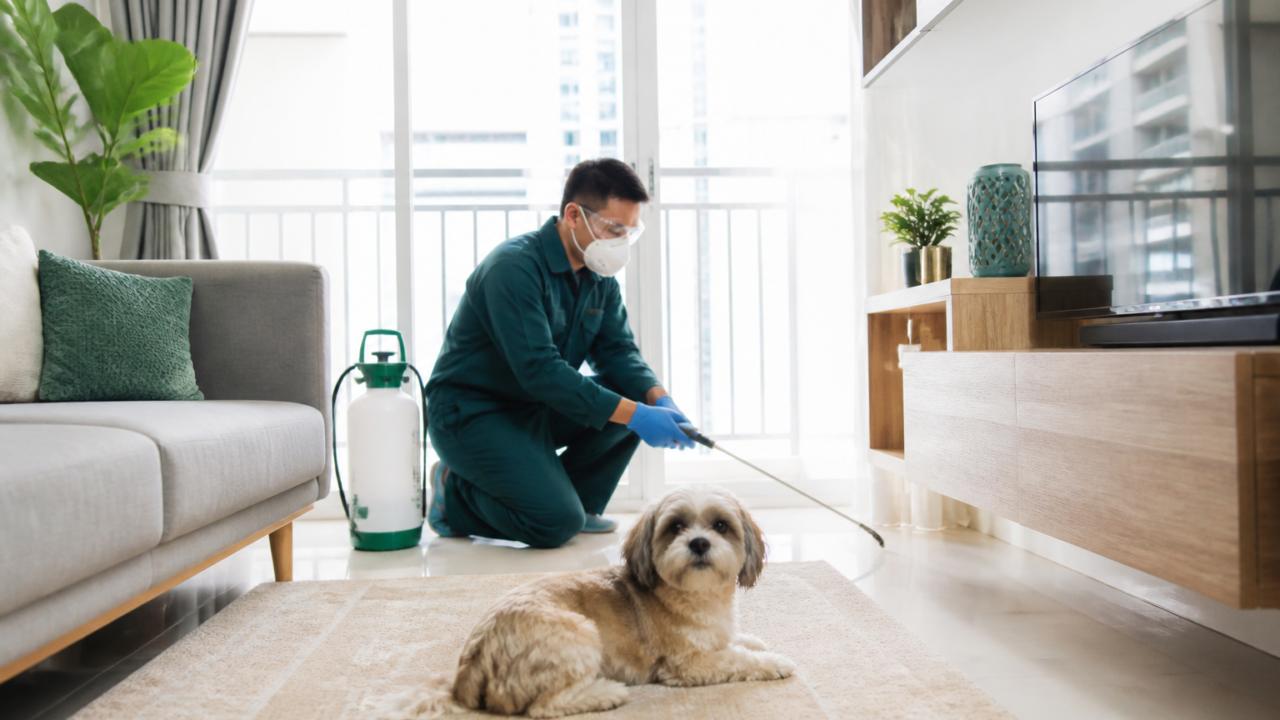
If you have a cat or dog and need pest control at home, it’s natural to ask whether pesticide is safe for pets. The honest answer is: it depends on the product, how it’s applied, and the precautions you take. This guide explains how to keep your pets safe during pest control in Singapore, what to be cautious about, and which safer options exist.
Is Pesticide Safe for Pets? The Short Answer
Most modern pest control products, when applied correctly by a licensed technician, are designed to be low-risk to people and pets once dry. The key risks come from pets contacting wet treatment, ingesting baits or poisoned pests, or exposure to certain product types.
Cats are generally more sensitive than dogs because of how their bodies process certain chemicals, and they groom themselves constantly, so anything on their paws or fur can be swallowed. Small pets, birds and fish are especially vulnerable, as some compounds are highly toxic to them.
So pesticide can be safe around pets — but only with the right product choice and sensible precautions.
What to Be Careful About
Some situations carry more risk for cats and dogs:
- Wet sprays — pets should stay out until surfaces are fully dry.
- Rodent baits (rodenticides) — dangerous if a pet eats the bait or a poisoned rodent. Always use tamper-resistant stations out of pet reach.
- Snail/slug pellets in gardens — some types are very toxic to dogs.
- Aerosol foggers — can leave residue on floors and pet bedding.
- Certain mosquito and tick products safe for dogs can be toxic to cats — never share products between species.
If you ever suspect your pet has ingested a pesticide or a poisoned pest, contact your vet immediately.
How to Keep Pets Safe During Pest Control
Whether you DIY or hire a professional, follow these steps:
- Tell the technician you have pets and which type. A good company will adjust products and methods.
- Remove pets from the treatment area — relocate them to another room or out of the home during and after treatment until surfaces dry.
- Lift food and water bowls, toys and bedding before treatment.
- Cover or move aquariums and bird cages, and switch off air pumps if advised.
- Ventilate the home well afterwards.
- Wipe pet paws if they walk on treated areas soon after.
- Keep baits and stations out of reach entirely.
A reputable provider of pest control in Singapore will walk you through pet-safe timing and re-entry before they start.
Safer Treatment Options for Pet Homes
If you’d rather minimise chemical exposure, ask about these approaches:
| Approach | How it helps pets |
|---|---|
| Gel baits in cracks/crevices | Targeted, placed out of pet reach |
| Tamper-resistant bait stations | Pets can’t access the bait inside |
| Integrated pest management (IPM) | Prevention and exclusion over heavy spraying |
| Physical exclusion (screens, sealing) | No chemicals at all for entry prevention |
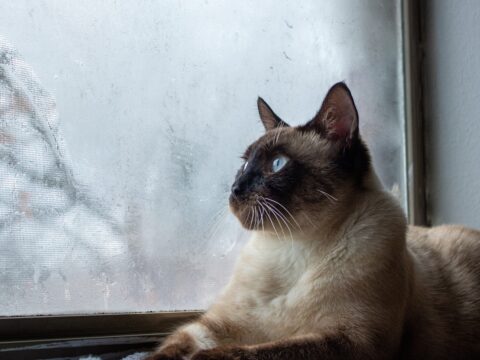
Physical methods are the safest of all. Sealing gaps, decluttering and screening windows reduce the need for chemicals in the first place. If your cat likes lounging at open windows, a sturdy cat-proof window mesh keeps insects out and your cat safely in — no pesticide involved.
What Pet Owners Should Avoid Doing
- Don’t use outdoor or agricultural pesticides indoors.
- Don’t apply dog flea/tick products to cats.
- Don’t let pets back onto treated surfaces while still wet.
- Don’t leave bait or pellets where a curious pet can reach them.
- Don’t assume “natural” means safe — some essential oils are toxic to cats.
See a Vet If…
Contact your veterinarian promptly if your pet shows drooling, vomiting, tremors, weakness, difficulty breathing, or unusual lethargy after any pest treatment or possible exposure. When in doubt, call — it’s always better to check early.
With the right precautions and an honest conversation with your technician, you can manage pests at home while keeping your cat or dog safe.
Why Cats Need Extra Care
It’s worth understanding why cats come up so often in pest-safety advice. Cats groom obsessively, so anything that lands on their paws or coat ends up swallowed. Their livers also process certain compounds differently from dogs and humans, which is why a flea or tick product labelled for dogs can be genuinely dangerous to a cat. Some plant-derived “natural” options, including a number of essential oils, are also toxic to cats. The safe rule is simple: never share an animal product between species, and never assume “natural” means “safe for cats.” When in doubt, your vet is the right person to ask before you apply anything.
Pets and Specific Treatments
| Treatment type | Pet consideration |
|---|---|
| Cockroach gel bait | Low-risk when placed deep in cracks and crevices out of reach; keep pets away until set |
| Rodent bait | Higher risk — use tamper-resistant stations only, and watch for poisoned rodents your pet could catch |
| Mosquito fogging/misting | Keep pets out until dry and the area is ventilated |
| Termite soil treatment | Generally below floors; follow the technician’s re-entry advice |
| Ant bait stations | Keep sealed and out of paw reach |
The pattern is consistent: targeted, contained methods placed out of reach are far easier to manage around pets than broad wet spraying.
Frequently Asked Questions
How long should pets stay away after pest control?
Are mosquito coils safe around pets?
Is professional pest control safe for fish and birds?
What’s the lowest-risk option for a pet home?
Related guides
- Pest control safety for babies and children
- Are mosquito coils safe?
- How to get rid of fleas on cats and dogs
- Ticks on dogs and in the home in Singapore
- Natural insecticides for the home
- Cat-proof window mesh
*Need pet-safe pest control or screens that keep your cat in and insects out? Get a free quote or see our cat-proof window mesh.*