Fleas on Cats & Dogs: Treatment and Home Tips (Singapore)
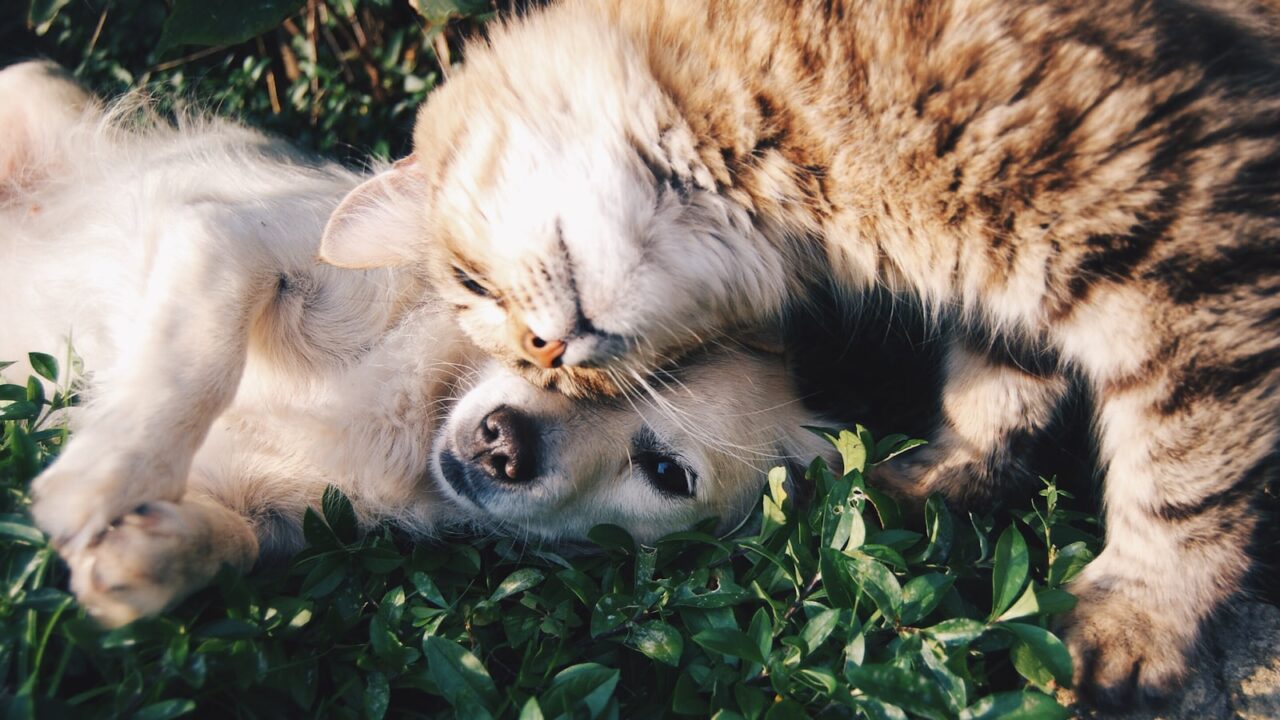
Constant scratching, tiny dark specks in the fur, or fleas hopping across the floor — if you’ve spotted the signs, your pet has company. Fleas on pets are common in Singapore’s warm, humid climate, and they breed fast once they’re settled. The good news is that with the right routine you can treat your cat or dog and clear your home so the fleas don’t keep coming back. Here’s how to do it safely.
How to know it’s fleas
Before treating, confirm the problem:
- Excessive scratching, biting or licking, often around the neck, belly and tail base.
- “Flea dirt” — tiny black specks that turn reddish-brown on a damp tissue (it’s digested blood).
- Live fleas moving through the fur, especially in warm, sheltered spots.
- Hair loss or red, irritated skin from constant scratching.
Some pets are allergic to flea saliva and react badly to even a few bites, so don’t assume a light infestation is harmless.
Step 1: Treat your pet safely
The foundation of getting rid of fleas on pets is a proper, vet-recommended treatment. We don’t give dosing advice here — your vet should — but the principles are simple:
- Ask your vet which product suits your pet’s species, age and weight. Never use a dog product on a cat — some ingredients are toxic to cats.
- Follow the dosing instructions exactly and don’t combine products without advice.
- Treat all pets in the household, not just the one that’s scratching.
- Use a flea comb to physically remove fleas and flea dirt, dropping what you catch into soapy water.
A warm bath with a gentle, pet-safe shampoo can help, but lasting control comes from the vet-recommended treatment, not bathing alone. If you’re using any sprays or treatments in the home alongside this, our guide on whether pesticides are safe around pets is worth reading first.
Step 2: Treat the home at the same time
Here’s the part many people miss: most of a flea population lives in the environment, not on the pet. If you only treat the animal, eggs and larvae in your carpets and bedding will re-infest it.
Tackle both together:
- Wash all bedding — pet and human — on the hottest safe setting.
- Vacuum daily: carpets, rugs, skirting, under furniture and pet resting spots, then empty the vacuum outside.
- Steam clean carpets and upholstery if you can.
For the full home-treatment routine, including dealing with dormant pupae, see our guide on how to get rid of fleas in your home.
Step 3: Break the cycle and stay consistent
Fleas have a stubborn life cycle, with pupae that hatch days or weeks later. Plan for repetition:
- Keep your pet’s flea treatment current.
- Vacuum and wash bedding regularly for several weeks.
- Re-check the pet with a flea comb every few days.
Patience matters — newly hatched fleas can appear even after a good clean, so consistency over a few weeks is what wins.
Watch for flea bites on the family
Fleas don’t only bother pets. Once a population builds, household members often notice small, itchy red bumps clustered around the ankles and lower legs, where fleas reach skin from the floor and furnishings. They’re a useful early warning that the environment needs treating, not just the pet. Our guide on flea bites on humans explains how to recognise and soothe them while you clear the source.
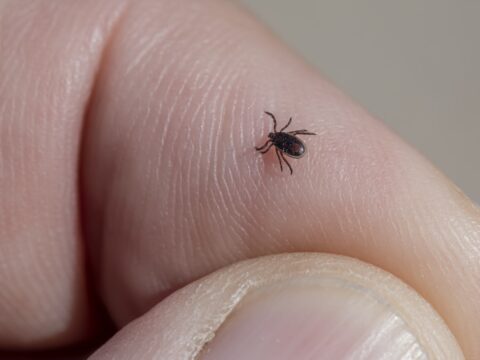
Fleas also travel in the same outdoor company as ticks, especially around grass and where other animals roam. If your dog goes out regularly, it’s worth checking for both — our guide on ticks on dogs and in the home covers safe tick checks and removal.
Keeping cats safely indoors
Fleas often hitch a ride from outdoors — strays, grassy areas, or other animals. For cat owners in HDB flats and condos, keeping cats indoors greatly reduces exposure while still letting them enjoy fresh air at the window.
A secure mesh barrier lets you open windows for ventilation without your cat slipping out or coming into contact with outdoor animals. A purpose-made cat-proof window mesh is far sturdier than standard screening and a sensible part of a flea-prevention routine for indoor-leaning cats. For more on keeping cats safe at home, see our guide on keeping kitty safe.
When to get professional help
DIY works for most light to moderate cases. But if fleas persist after weeks of treating both pet and home, or the infestation has spread through multiple rooms, the environment likely needs stronger treatment than retail products provide.
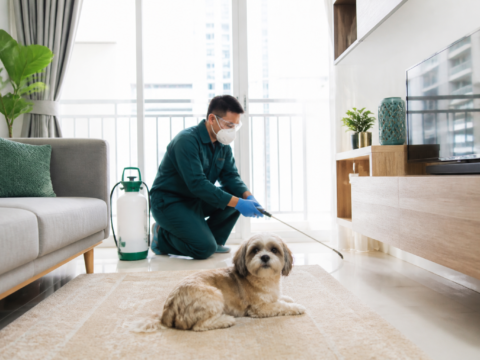
For a heavy or recurring problem, professional pest control in Singapore can treat the home thoroughly while your vet handles the pets — the two together clear fleas far faster than either alone.
Frequently asked questions
How often should I treat my pet for fleas?
Can I use the same flea product on my cat and dog?
Why does my pet still have fleas after treatment?
Is a flea collar enough on its own?
Related guides
- How to get rid of fleas in your home
- Flea bites on humans
- Ticks on dogs and in the home (Singapore)
- Are pesticides safe around pets?
- Cat-proof window mesh
- Keeping kitty safe
The bottom line
Clearing fleas on pets means treating the animal and the home at the same time, then staying consistent for a few weeks to break the cycle. To stop the next infestation, keep pets on year-round flea prevention (Singapore’s climate gives fleas no off-season), check them after outdoor time near grass, limit contact with strays, and vacuum and wash bedding regularly as routine maintenance. Use vet-recommended products, keep up prevention year-round, and call a professional if the home infestation won’t quit.
*Fleas spread through the whole house? Contact Insect Out for a free assessment and a home treatment that works alongside your vet’s care.*