Ticks on Dogs & in the Home: What to Do (Singapore)
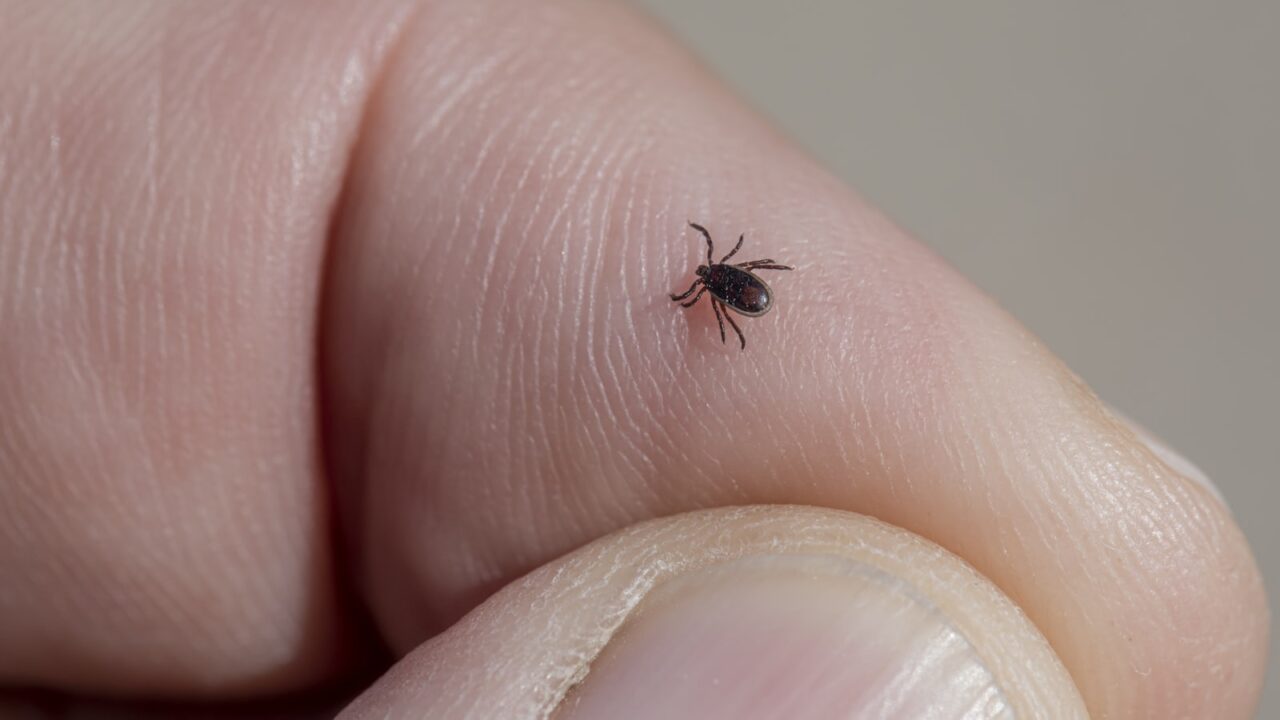
Ticks are more than a nuisance — these blood-feeding parasites attach to dogs, can hide in the home, and may carry diseases. In Singapore’s warm climate they stay active year-round, so dog owners need to know how to get rid of ticks safely on their pet and around the house. This guide covers safe removal, the health risks worth knowing, and prevention.
How to spot ticks on your dog
Ticks attach to the skin and feed, swelling as they fill with blood. Check your dog regularly, especially after walks near grass or bushes.
Run your hands over these common hiding spots:
- Around the ears and neck
- Between the toes and under the legs
- Around the tail base and groin
- Under the collar
A feeding tick feels like a small bump and may be brown, grey or, when engorged, much larger. The earlier you find and remove one, the lower the risk.
How to remove a tick safely
If you find a tick on your dog, remove it carefully — crushing or twisting it can leave mouthparts behind or increase disease risk.
- Use fine-tipped tweezers or a tick-removal tool.
- Grip the tick as close to the skin as possible.
- Pull straight upward with steady, even pressure — don’t jerk or twist.
- Don’t squeeze the body or use heat, oils or alcohol to force it out.
- Clean the bite area and the tweezers afterwards.
- Dispose of the tick by sealing it in tape or a bag.
Watch the bite site for a few days. If your dog seems unwell — lethargy, loss of appetite, fever or lameness — see your vet, as ticks can transmit disease.
The health risks to know
Ticks can carry pathogens that cause illness in dogs, and some tick-borne diseases can affect people too. You don’t need to panic, but you should take ticks seriously.
For dogs, watch for signs such as tiredness, fever, reduced appetite, swollen joints or pale gums after a bite — and consult your vet if any appear. For people, see a doctor if you develop a fever, rash or feel unwell after a tick bite. Our guide on tick bites and what to look for covers the warning signs in more detail. General awareness and prompt removal are your best protection.
Why the brown dog tick is a Singapore problem
One species in particular makes ticks more than a passing garden nuisance here: the brown dog tick. Unlike many ticks, it is well adapted to living indoors, which means a few hitchhikers on your dog can turn into a household problem.
- It can complete its entire life cycle indoors, in the warmth a Singapore home provides all year.
- Females lay large batches of eggs in cracks, skirting gaps and behind furniture, so numbers can climb quickly.
- The hidden stages — eggs, larvae and nymphs — are easy to miss while only the engorged adults are obvious.
This is why treating the dog alone often isn’t enough: by the time you notice ticks on your pet, the home may already be seeded. Tackling both together is the key to actually clearing them.
Clearing ticks from your home
Some tick species can complete their life cycle indoors, hiding in cracks, skirting, bedding and your dog’s resting areas. If you’ve found ticks on your dog, treat the home too.
- Wash all bedding — pet and human — on the hottest safe setting.
- Vacuum thoroughly: carpets, skirting, cracks, under furniture and pet beds, then empty the vacuum outside.
- Declutter to remove hiding spots.
- Inspect your dog’s favourite resting corners closely.
A heavy indoor tick problem can be very stubborn. If ticks keep appearing in the home despite cleaning and treating your dog, professional pest control in Singapore can treat the harbourage areas where ticks hide and breed. In a landed home with a garden, the outdoor environment may need attention too.
Preventing ticks year-round
Because Singapore’s climate keeps ticks active all year, prevention is ongoing:
- Keep your dog on a vet-recommended tick preventive — ask your vet which product suits your pet.
- Check your dog after every walk, especially near grass and bushes.
- Keep grass trimmed if you have a garden or landed home.
- Avoid known tick-heavy areas during walks where possible.
- Treat all pets in the household, not just the one with ticks.
If you’re applying any treatments around the home as well as on your pet, read our note on whether pesticides are safe around pets first. Consistency is key — a single missed dose or skipped check can let a new infestation start.
When DIY isn’t enough
DIY removal and cleaning handle the occasional tick well. But an established indoor infestation is hard to clear with retail products alone, because ticks hide deep in cracks and furnishings and can survive for long periods.
If you’re finding multiple ticks in the home, getting repeat bites, or the problem returns after treatment, it’s time for professional help to break the cycle at the source.
Frequently asked questions
Can ticks live in my house without a pet?
Should I use my fingers to pull a tick off?
Are tick bites dangerous to humans?
How do I know if my home is infested?
Related guides
- Tick bites: what to look for
- How to get rid of fleas on cats and dogs
- How to get rid of fleas in your home
- Are pesticides safe around pets?
- Pest control for landed homes
The bottom line
Knowing how to get rid of ticks means checking and treating your dog, removing ticks correctly, cleaning the home, and keeping up year-round prevention. Stay alert to health signs in both pets and people, and bring in a professional for any infestation that takes hold indoors.
*Ticks taking over the house? Contact Insect Out for a free assessment and treatment that targets where ticks hide.*