How to Clean Insect Screens (Without Damaging Them)
Singapore’s dust, haze and humidity mean insect mesh picks up grime faster than you’d think — and a clogged screen blocks airflow and looks tired. Learning how to clean insect screens properly keeps the mesh clear, the magnets gripping and the panel lasting for years. Here’s the safe way to do it, without tearing the mesh or weakening the adhesive.
How often should you clean them?
For most Singapore homes, a light clean every 1–2 months keeps mesh clear, with a deeper wash every few months. If you live near a main road, a construction site, or face the open with lots of wind-blown dust, clean more often.
Signs it’s time:
- Visible dust film or dark patches on the mesh
- Reduced airflow through the window
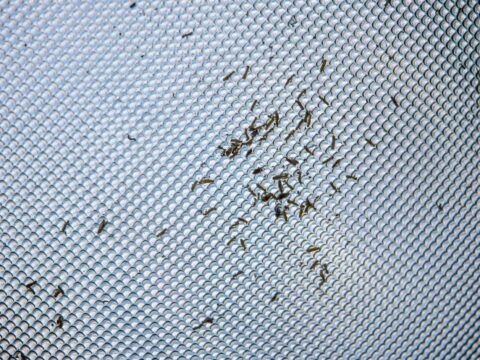
- Spots, pollen or insect debris caught in the weave
The easy in-place clean
For routine upkeep, you don’t even need to remove the screen:
- Vacuum gently using a brush attachment, working from top to bottom on both sides.
- Wipe with a soft, damp microfibre cloth to lift the remaining film.
- Dry-brush stubborn corners with a soft brush.
This takes a couple of minutes per window and prevents the build-up that makes deep cleans necessary.
The deep clean (removing the screen)
Because magnetic screens snap off easily, a proper wash is straightforward:
- Peel the mesh panel off the frame strip — the magnets release cleanly.
- Lay it flat on a towel, in the bathroom or on the service balcony.
- Mix mild soapy water — a little dish soap in lukewarm water is plenty.
- Wash gently with a soft sponge or cloth, in the direction of the weave. Don’t scrub hard or use stiff brushes that can stretch the mesh.
- Rinse with low-pressure water (a shower head is ideal — avoid blasting it).
- Dry fully before refitting, ideally flat in the shade.
Once dry, snap the panel back onto the frame strip. For a refresher on the fit, see how to install a magnetic insect screen.
What to avoid
To protect both the mesh and the adhesive magnetic strips:
- No high-pressure washers — they can tear or distort fine mesh.
- No harsh solvents or bleach — these can degrade the mesh and weaken adhesive.
- No stiff brushes or scouring pads.
- Don’t soak the adhesive frame strip. When wiping the frame portion, use a barely-damp cloth so you don’t loosen the bond.
- Don’t refit while damp — trapped moisture in our humidity invites mould along the seam.
Keeping screens in good shape longer
A little care goes a long way in Singapore’s climate:
- Check the adhesive strip when you refit. If a corner is lifting, clean the frame and press it back firmly, warming it gently if needed.
- Store removed panels flat, not folded, to avoid creasing the mesh.
- Clean before haze season so the mesh starts clear when you most want windows open.
Well-maintained mesh keeps doing its job — letting breeze in while keeping mosquitoes and flies out. To understand the design that makes this possible, see how it works and the screen features.
Dealing with mould, haze grime and greasy kitchen mesh
Singapore throws a few specific challenges at insect mesh, and each needs a slightly different touch:
- Mould or black spotting along the seam usually means the panel was refitted while damp, or sits in a perpetually humid spot. Wash with mild soapy water, rinse, and this time dry it completely in the shade before refitting. Improving airflow to that window helps prevent recurrence.
- Haze and fine dust leave a grey film that bonds over time. A gentle vacuum first, then a damp microfibre wipe, lifts it without grinding particles into the weave.
- Greasy kitchen mesh near the stove or yard collects an oily layer that traps dust. A little dish soap cuts the grease — just rinse well so no residue remains to attract more grime.
For any of these, resist the urge to scrub harder; patience with mild cleaning protects the mesh far better than force.
A quick seasonal cleaning routine
Tying screen cleaning to events you already remember keeps it from slipping:
- Monthly: a two-minute vacuum-and-wipe in place, both sides, top to bottom.
- Every few months: a full removal and gentle wash, dried completely in the shade before refitting.
- Before haze season: a deeper clean so the mesh starts clear when you most want windows open and airflow at its best.
Households near a main road, an MRT line or a construction site should lean toward the more frequent end, since wind-blown dust bonds into a grey film faster there.
When to replace rather than clean
Cleaning restores most screens, but replace the mesh if you notice:
- Tears, holes or fraying that let insects through
- Permanent sagging that won’t pull taut
- Adhesive strips that no longer grip after re-cleaning the frame
A fresh panel is inexpensive compared with the nightly nuisance of mosquitoes finding the gap.
Frequently asked questions
How often should I clean insect screens in Singapore?
Can I put the mesh in the washing machine?
Why does my mesh keep going mouldy along the seam?
Will cleaning weaken the adhesive frame strip?
Related guides
- How to install a magnetic insect screen
- How to repair an insect screen
- Magnetic vs velcro insect screens
- Do insect screens reduce airflow?
- Types of window mesh explained
*Mesh past its best? Shop replacement insect screens at Insect Out.*