Do Insect Screens Reduce Airflow? (The Honest Answer)
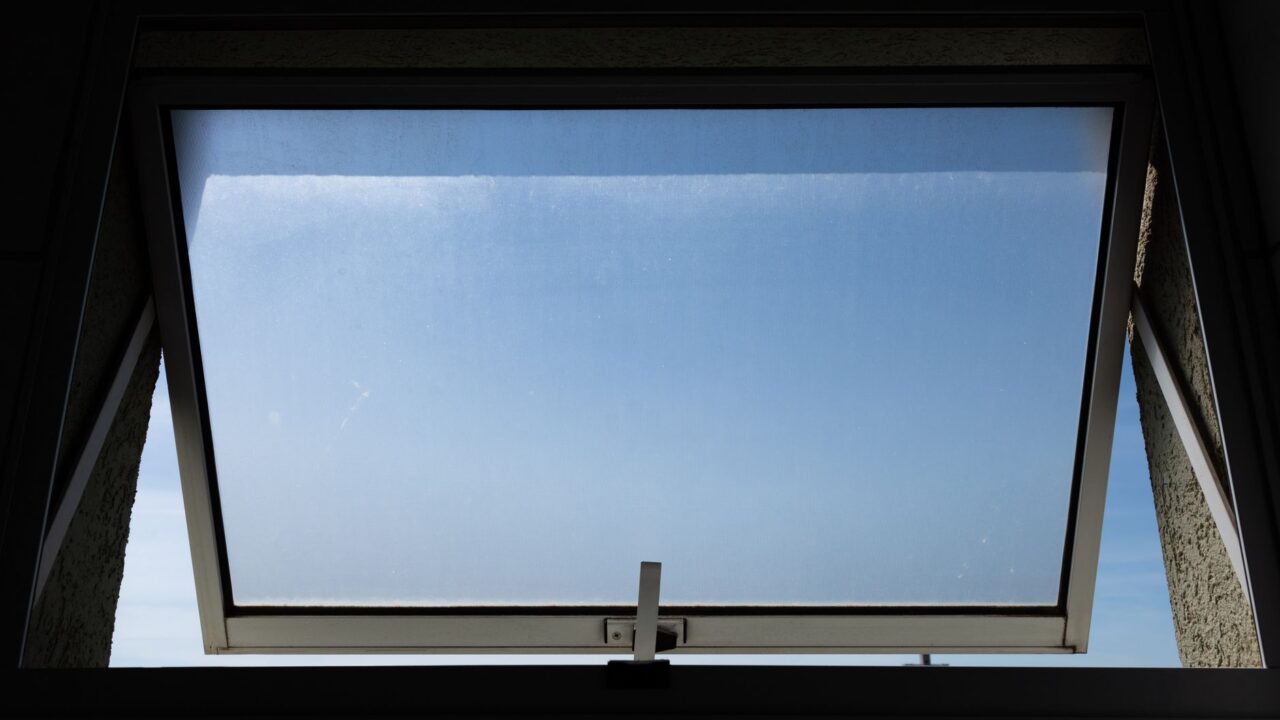
It’s the question almost every Singapore household asks before fitting mesh: will an insect screen reduce airflow and make my naturally ventilated flat stuffier? The honest answer is yes, slightly — but far less than most people fear, and the trade-off is usually well worth it. Here’s how insect screen airflow really works and how to keep your home breezy.
The short answer
A quality, fine insect mesh does reduce airflow a little, because it adds a physical layer across the opening. In practice the reduction is modest, and for most homes the difference is barely noticeable in everyday comfort — especially compared with the alternative of closing windows entirely against mosquitoes.
The key is the mesh: a well-made, open-weave fly screen lets the large majority of the breeze through while still being fine enough to stop mosquitoes.
What actually affects insect screen airflow
Not all mesh is equal. A few factors decide how much breeze gets through:
- Mesh density (holes per inch). Finer mesh stops smaller insects but allows slightly less air. There’s a sweet spot that blocks mosquitoes while staying breathable.
- Yarn thickness. Thinner, well-made fibres leave more open area for air without sacrificing strength.
- Cleanliness. A dusty, clogged screen restricts airflow far more than a clean one. Regular cleaning matters — see how to clean insect screens.
- Open area percentage. This is the proportion of the screen that’s actually open space; higher means more airflow.
For the technical side of how the mesh is built for both protection and breathability, see the screen features.
Why the trade-off is worth it in Singapore
In our climate, natural ventilation is precious — many HDB flats and condos rely on cross-breeze to stay comfortable and reduce aircon use. The problem is that open windows invite mosquitoes, especially at dawn and dusk.
A window insect screen lets you keep windows open through the evening and overnight without bites. The small airflow trade-off is usually far outweighed by being able to leave windows open at all — windows you’d otherwise keep shut.
How to keep your home breezy with screens fitted
You can offset most of the airflow loss with a few habits:
- Open more windows. Cross-ventilation (windows on opposite sides) moves more air than one window ever could, screen or not.
- Keep mesh clean. A clear screen flows far better than a clogged one.
- Use a fan to assist. A ceiling or stand fan paired with open, screened windows keeps air moving efficiently.
- Choose the right mesh. Pick a fine but breathable fly screen rather than a heavy privacy or pollen mesh if airflow is your priority.
Do screens make rooms hotter?
Not meaningfully on their own. The mesh itself doesn’t trap heat; any warmth you feel comes from reduced air movement, which you can counter with the tips above. Many households find that being able to keep windows open with screens actually keeps rooms cooler overall, because they’re no longer shutting everything against mosquitoes.
Positioning windows and screens for the best breeze
Where and how you screen matters as much as the mesh itself when it comes to insect screen airflow. A few practical moves help your home breathe:
- Screen the windows you want open at night. Bedrooms and living areas benefit most, since those are the windows you’d otherwise shut against mosquitoes.
- Create a through-path. Air needs an entry and an exit — screening windows on opposite or adjacent walls lets a breeze flow through rather than stall.
- Mind tall HDB block wind. Higher floors often catch stronger, steadier wind, so even a fine mesh still lets plenty through.
- Keep furniture clear of screened windows so nothing blocks the incoming air.
Thinking about the whole room’s airflow, not just one window, is how households keep a screened home feeling as breezy as an open one.
Day vs night: when airflow matters most
In practice, the airflow question matters most overnight, when you want a cool bedroom without aircon and without mosquitoes. This is exactly the scenario screens are built for: a fine mesh lets the night breeze move through while keeping dusk-and-dawn biters out. During the day, when many homes run fans or aircon anyway, the slight reduction is even less noticeable. So the trade-off lands where it helps most — letting you keep windows open through the hours you’d otherwise shut them.
Higher floors in HDB blocks catch steadier wind, so even a fine anti-mosquito mesh still delivers a usable breeze; lower floors with less natural wind benefit most from the cross-ventilation tips above.
Frequently asked questions
How much airflow does an insect screen actually block?
Will a screen make my room hotter or stuffier?
Is a finer anti-mosquito mesh worth the airflow trade-off?
Does a clean screen really flow better, and how often should I clean it?
The bottom line
Yes, insect screens reduce airflow a little — but with a good mesh, clean upkeep and cross-ventilation, the effect is minor and the benefit is large: an open, breezy home that mosquitoes and flies can’t get into. If you’re still weighing it up, our guide on whether insect screens are worth it covers the full picture.
Related guides
- Are insect screens worth it?
- How to clean insect screens
- Types of window mesh explained
- Magnetic vs velcro insect screens
- Window insect screens
*Want airflow and no bugs? Explore breathable window insect screens at Insect Out.*