Types of Window Mesh Explained (Fibreglass, Steel & More)
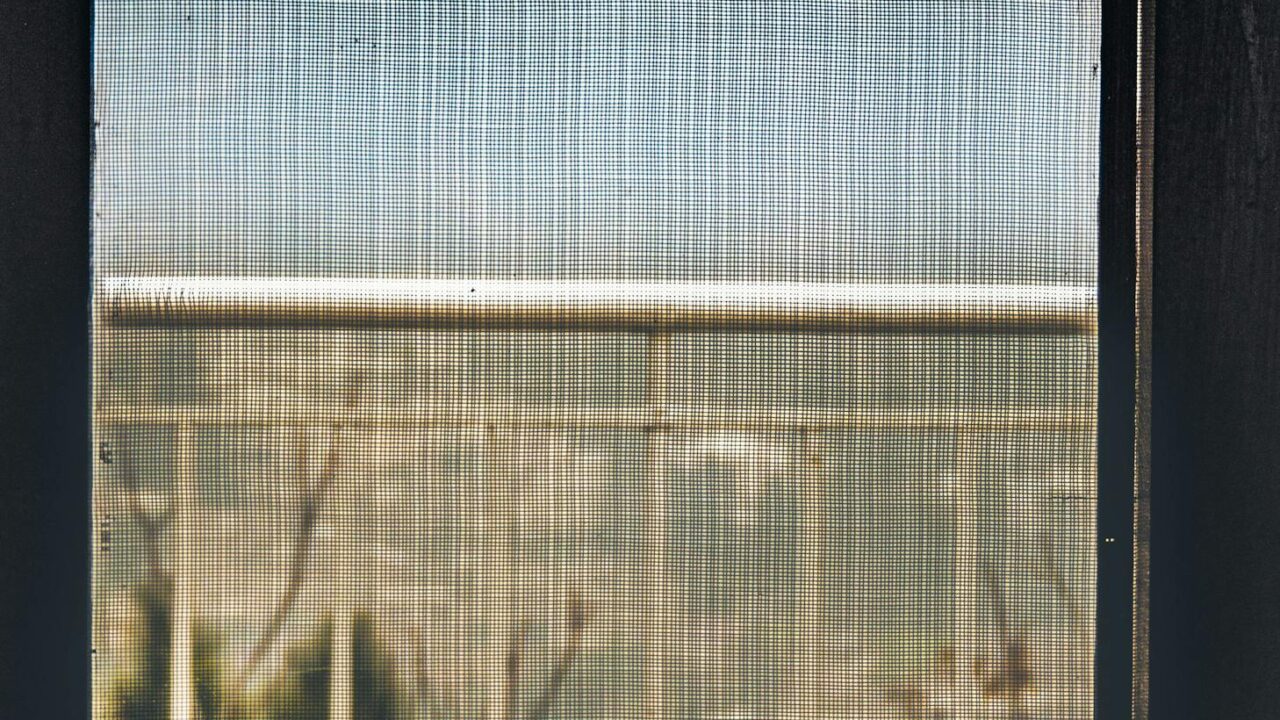
Choosing an insect screen isn’t just about the frame — the mesh itself decides how well it keeps bugs out, how long it lasts in humid weather, and whether it survives a curious cat. If you’re comparing the different types of window mesh available in Singapore, this guide breaks down the common materials, their strengths and where each one fits best in an HDB flat, condo or landed home.
Why the Mesh Material Matters
In Singapore’s climate, mesh has to cope with heat, humidity, salt-laden coastal air and constant insect pressure. The wrong material can sag, corrode or tear within a year. The right one keeps mosquitoes and midges out while letting air and light through.
Two specs matter most:
- Mesh count (strands per inch): Higher counts block smaller insects. Around 18–20 is a good all-round target for mosquitoes and small flies.
- Material: Determines durability, visibility, airflow and pet resistance.
Fibreglass Mesh
Fibreglass is the most widely used insect mesh for good reason. It’s coated in PVC, won’t rust, and flexes rather than creasing, so it bounces back from knocks.
Best for: Most HDB and condo windows where insects are the main concern.
- Affordable and easy to replace
- Doesn’t corrode in humid or coastal areas
- Soft and flexible, good visibility
- Less suitable where pets scratch heavily
Aluminium Mesh
Aluminium mesh is more rigid than fibreglass and holds its shape well. It resists rust better than untreated steel, though it can show minor oxidation over time near the coast.
Best for: Windows where you want a firmer, longer-lasting screen than fibreglass.
- Sturdier and harder to push through
- Holds shape in larger window spans
- Can dent or crease if hit hard
- Slightly reduced visibility versus fibreglass
Stainless Steel Mesh
Stainless steel is the heavy-duty option. It’s strong, resists corrosion well, and stands up to pets, knocks and attempted entry far better than the alternatives.
Best for: Homes with cats or dogs, security-conscious owners, or anyone wanting maximum longevity.
- Very durable and tear-resistant
- Excellent against pets and rough handling
- Higher cost than fibreglass or aluminium
- Heavier, so frames need to suit the weight
Pet-Resistant Mesh
If you have a cat that loves the window ledge, standard fibreglass won’t last. Pet-resistant mesh uses thicker, tightly woven strands (often a vinyl-coated polyester or fine stainless weave) engineered to withstand claws.
Best for: Cat and dog owners who want screens that survive daily contact. Our features page explains the build options, and our window insect screens can be specified with stronger mesh where pets are a factor.
Quick Comparison of Window Mesh Types
| Mesh type | Durability | Pet-resistant | Visibility | Relative cost |
|---|---|---|---|---|
| Fibreglass | Good | No | Excellent | $ |
| Aluminium | Better | Partly | Good | $$ |
| Stainless steel | Best | Yes | Good | $$$ |
| Pet-resistant | Best | Yes | Good | $$$ |
Mesh Count and Visibility
Beyond material, the mesh count — how many strands per inch — decides what gets blocked and how clearly you can see through it.
- Standard insect mesh (~18 strands per inch): Stops mosquitoes and most flies. Good airflow and visibility.
- Fine mesh (20+ strands per inch): Blocks smaller midges and sandflies — useful near coasts and waterways.
- Very fine “no-see-um” mesh: Stops the tiniest biting midges but reduces airflow slightly.
In Singapore, a standard count handles most homes, but if you live near East Coast, Pasir Ris or a canal where tiny midges are common, a finer weave is worth the small trade-off in airflow.
How to Choose for Your Home
Match the mesh to your situation rather than just the price:
- No pets, standard windows: Fibreglass gives the best value.
- Larger spans or firmer feel: Aluminium.
- Cats, dogs or high-traffic openings: Stainless steel or pet-resistant mesh.
- Coastal condos (East Coast, Sentosa area): Favour corrosion-resistant options.
All of these mesh types can be fitted to magnetic, no-drill frames, which suits HDB and rented units. Explore the full insect screen range to see which configuration fits your openings, and if you’re weighing screens against other options, our post on invisible grilles vs insect screens is a useful companion read.
If you’re unsure which mesh suits your windows or have unusual openings, it’s worth getting a recommendation rather than guessing — the right material the first time saves replacing it later.
Matching Mesh to the Opening
Mesh choice isn’t only about pests — it should suit where the screen lives. A window you lift off weekly to clean has different demands from a balcony door the dog leans against.
- Windows: Standard fibreglass on a magnetic frame handles most flats. See window insect screens.
- Sliding doors and balconies: Larger spans benefit from a firmer mesh that won’t billow in the wind; pair it with sliding door insect screens or balcony insect screens.
- Pet households: Step up to a tougher weave at cat and dog height. Our cat-proof window mesh is built for exactly this.
Caring for Your Mesh So It Lasts
In Singapore’s humidity, a little upkeep adds years to any mesh. Dust and kitchen grease clog the weave and trap moisture against the strands, so a gentle monthly clean keeps airflow and visibility high. Lift magnetic panels off, rinse with mild soapy water, and let them dry before refitting — never scrub fibreglass hard, as creasing it permanently dulls visibility. Our guide on how to clean insect screens walks through it, and small snags can be patched using how to repair an insect screen rather than replacing the whole panel.
Frequently Asked Questions
Which mesh is best for mosquitoes?
Does finer mesh block airflow?
Is stainless steel worth the extra cost?
Related Guides
- Invisible grille vs insect screen
- Cat-proof window mesh
- How to clean insect screens
- Do insect screens reduce airflow?
- How to measure windows for insect screens
*Not sure which mesh is right for you? Compare options on our window insect screens page or ask us for advice via the contact page.*