How to Measure Your Windows for Insect Screens
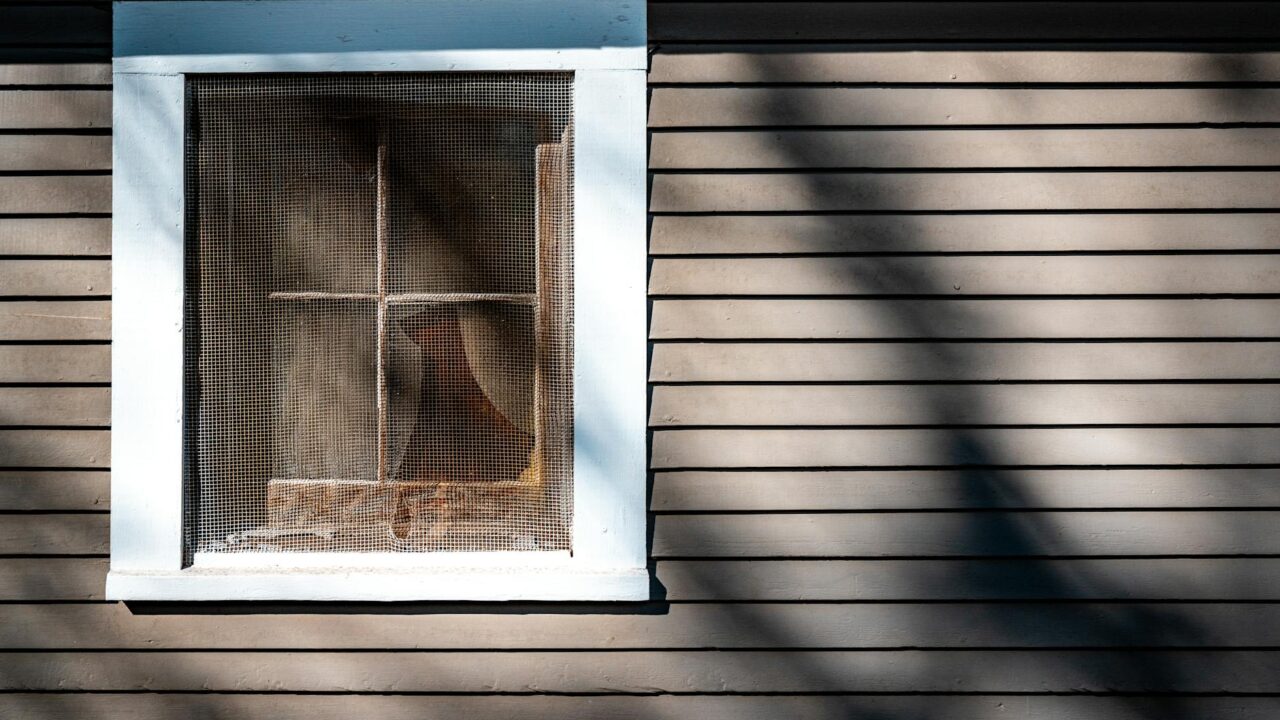
Getting the measurements right is the difference between a screen that snaps on perfectly and one that sags or gaps. Knowing how to measure a window for insect screen takes only a few minutes, and this guide covers the three window types found in most Singapore HDB flats and condos — casement, sliding and top-hung.
What you’ll measure (and why it matters)
For a magnetic, no-drill insect screen, you’re measuring the frame area where the adhesive strip will sit and the mesh will cover the opening. You want the mesh to overlap the frame slightly on all sides so there are no gaps for mosquitoes to slip through.
Always measure twice and write down both numbers. Singapore window frames vary between blocks and developments, so don’t assume two windows in the same flat are identical.
You’ll need just a few things:
- A steel measuring tape (more accurate than cloth)
- A pen and paper or your phone notes
- A second person for tall or wide windows (optional but helpful)
Record every measurement in centimetres to keep things consistent with most local sizing.
How to measure casement windows
Casement windows swing open on hinges and are the most common type screened with magnetic kits.
- Measure the width of the window frame opening, edge to edge, at the top, middle and bottom. Use the largest figure.
- Measure the height the same way — left, middle and right.
- Note the flat frame surface available around the opening, since the adhesive strip needs a clean, flat area to grip.
If the frame is narrow, mention it when ordering so the strip placement can be planned.
How to measure sliding and top-hung windows
Sliding windows (and sliding doors) run on tracks rather than hinges:
- Measure the full width and height of the opening you want to cover.
- Note that one panel usually stays fixed — you’re screening the part that slides open.
- For sliding doors specifically, see the dedicated sliding door insect screens, which suit that track layout better than a flat panel.
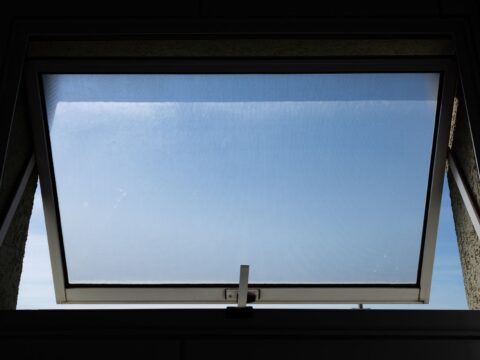
Top-hung windows open outward from the top:
- Measure the width and height of the frame opening as with casements.
- Check there’s enough flat frame above and below for the magnetic strip.
Quick reference table
| Window type | Measure | Watch out for |
|---|---|---|
| Casement | Width & height at 3 points each | Take the largest reading; need flat frame for adhesive |
| Sliding | Full opening width & height | Only the sliding panel needs covering |
| Top-hung | Width & height of opening | Enough flat frame top and bottom |
Common measuring mistakes to avoid
- Measuring the glass, not the frame. You’re screening the opening, so measure the frame area.
- Measuring at one point only. Frames aren’t always perfectly square — check top, middle and bottom.
- Forgetting overlap. The mesh should overlap onto the frame, not just fill the glass area.
- Ignoring obstructions. Window latches, handles and grilles can affect placement — note them down.
If you’re unsure, our What’s My Size tool walks you through it step by step and helps match your readings to the right kit.
Measuring with grilles, latches and obstructions
Many Singapore windows have invisible-grilles, child-safety grilles or chunky latches, and these affect where the screen sits. A few pointers:
- Window grilles: if grilles sit on the inside, you usually screen the frame in front of or around them. Note the depth available so the mesh isn’t pushed against the grille.
- Latches and handles: measure their position and projection. You may route the magnetic strip around them or trim the mesh to clear them while keeping a full seal.
- Recessed frames: if the frame is set back into a reveal, decide whether you’re screening the inner opening or the outer face, and measure the surface you’ll actually stick to.
- Aircon ledges or sills: account for any ledge that interrupts the flat frame surface.
When in doubt, sketch the window, mark the measurements and note obstructions — it makes choosing the right kit far easier.
Measuring doors, balconies and gates
Windows aren’t the only openings worth screening, and each needs a slightly different measure:
- Sliding doors: measure the full height and the width of the moving panel, and note the track depth. The dedicated sliding door insect screens suit this layout.
- Balconies: measure the clear opening height and width, and note where you’d want an access split to walk through. See balcony insect screens for the options.
- Gates and main doors: measure the frame opening and check the flat surface available for fixing. Our gate insect screens page explains what suits HDB gates.
For all of these, the principle is the same as windows — measure the opening at several points, take the largest reading, and allow overlap onto a flat fixing surface.
Ready to order
Once you have accurate width and height for each window, you can choose a kit with confidence — and when it arrives, our how to install a magnetic insect screen guide gets it up in minutes.
Frequently asked questions
Should I measure the frame or the glass?
My two windows look identical — can I use one measurement?
Do I need to add overlap to my numbers?
What about aircon ledges or vents?
Related guides
- How to install a magnetic insect screen
- What’s My Size tool
- Sliding door insect screens
- Balcony insect screens
- Types of window mesh explained
*Measured up? Shop insect screen kits sized for Singapore windows at Insect Out.*