Centipede Bite: What to Do (Singapore)

A centipede bite is painful and alarming, but in Singapore it is rarely dangerous. The large reddish-brown centipedes that turn up in HDB flats, condos and landed homes during the wet season can deliver a sharp, stinging bite if handled or trapped against the skin. This guide covers what to do after a centipede bite, when it needs a doctor, and how to keep centipedes out of your home.
What a centipede bite feels like
A centipede bite is usually felt immediately — a sharp, burning pain, like a strong sting. Common signs include:
- Two small puncture marks at the bite site
- Redness, swelling and pain around the area
- A throbbing or stinging sensation that can last hours
For most healthy adults, the pain is the worst part and it eases within a day or two. Larger centipedes can give a more painful bite, but serious complications are uncommon in Singapore.
A centipede bite is usually a one-off event rather than a sign of multiple bites, since centipedes are solitary hunters. If you are getting repeated bites or finding several centipedes, that points to a damp, insect-rich environment drawing them in — which is the real problem to solve.
First aid for a centipede bite
If you are bitten, simple first aid is usually enough:
- Wash the bite with soap and water to keep it clean.
- Apply a warm compress — many people find warmth eases centipede bite pain (a cool compress can also help with swelling, so use whichever feels better).
- Take an over-the-counter pain reliever if needed.
- Avoid scratching, which can lead to infection in our humid climate.
- Keep the area clean while it heals.
The pain and swelling should steadily improve.
When to see a doctor
Most centipede bites do not need medical care, but some situations do.
See a doctor if you notice:
- Severe or spreading swelling, especially near the face or throat
- Signs of an allergic reaction — widespread rash, dizziness, difficulty breathing (treat as an emergency)
- Increasing redness, warmth, pus or fever (possible infection)
- A bite in a young child, elderly person, or someone with health conditions
- Pain that is severe or not improving
This is general guidance only. If in doubt, get it checked.
Why centipedes get into Singapore homes
Centipedes love damp, dark, humid spaces — exactly what our climate provides. They come indoors hunting for other insects and for moisture, especially after heavy rain when their outdoor hiding spots flood.
Common entry points and hiding places include:
- Bathroom and kitchen drains
- Gaps under doors and around pipes
- Damp corners, store rooms and bomb shelters
- Behind and under heavy furniture
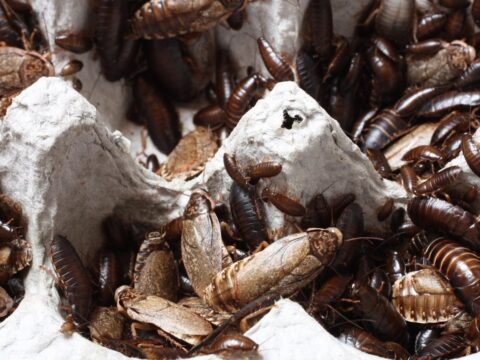
Importantly, a centipede in your home is usually a sign of other insects to eat. Where there are centipedes, there is often a food supply of cockroaches, silverfish or other pests.
How to keep centipedes out
Prevention focuses on moisture, entry points and their food supply:
- Reduce dampness — fix leaks, improve bathroom ventilation, and keep areas dry.
- Seal gaps under doors, around pipes and along skirting.
- Cover floor drains with mesh traps.
- Declutter damp store areas where centipedes hide.
- Control other insects, since removing their prey removes the reason centipedes come in.
For a fuller routine, see our guide on how to get rid of house centipedes. Because centipedes follow their prey, clearing the insects they hunt — through pest control and good hygiene — does more than any single repellent.
When to call a professional
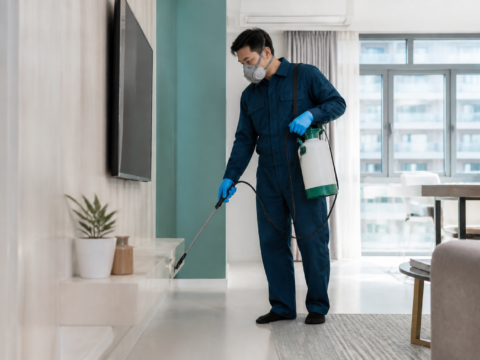
If you keep finding centipedes despite drying out and sealing your home, there is usually an underlying pest problem feeding them. Treating that food source is the real fix. Our pest control team in Singapore can identify and treat the pests drawing centipedes indoors, so you stop finding them — and stop risking a centipede bite.
Telling a centipede bite from other bites
A centipede bite stands apart from the itchy bumps people usually deal with:
- It hurts straight away. Unlike the delayed itch of a mosquito or bed bug bite, a centipede bite delivers a sharp, immediate, burning pain.
- Two puncture marks. Centipedes pinch with a pair of modified front legs, so the bite often shows two close punctures rather than a single dot.
- It is a one-off. Centipedes are solitary hunters, so you get a single bite from an encounter, not the clusters or lines that fleas and bed bugs leave.
- Swelling around the site. A throbbing, swollen area for a day or two is typical; widespread or facial swelling is not, and warrants a doctor.
If you are unsure what bit you, our guide on how to identify bug bites compares the common culprits, while centipedes versus the millipedes you may also find indoors helps with identification — millipedes are harmless and do not bite.
Frequently asked questions
Are centipede bites poisonous?
Why do I keep finding centipedes after rain?
Does finding a centipede mean I have other pests?
Related guides
- How to get rid of house centipedes
- How to get rid of millipedes
- How to identify bug bites
- How to get rid of silverfish
- How to keep insects out of the house
The bottom line
A centipede bite hurts but is rarely serious. Clean it, ease the pain, and watch for the warning signs above. Then tackle the dampness and insect food supply that brought the centipede indoors in the first place.
*Finding centipedes around your home? Get a free assessment from Insect Out and clear the pests behind them.*