Does Vinegar Get Rid of Ants? The Honest Answer
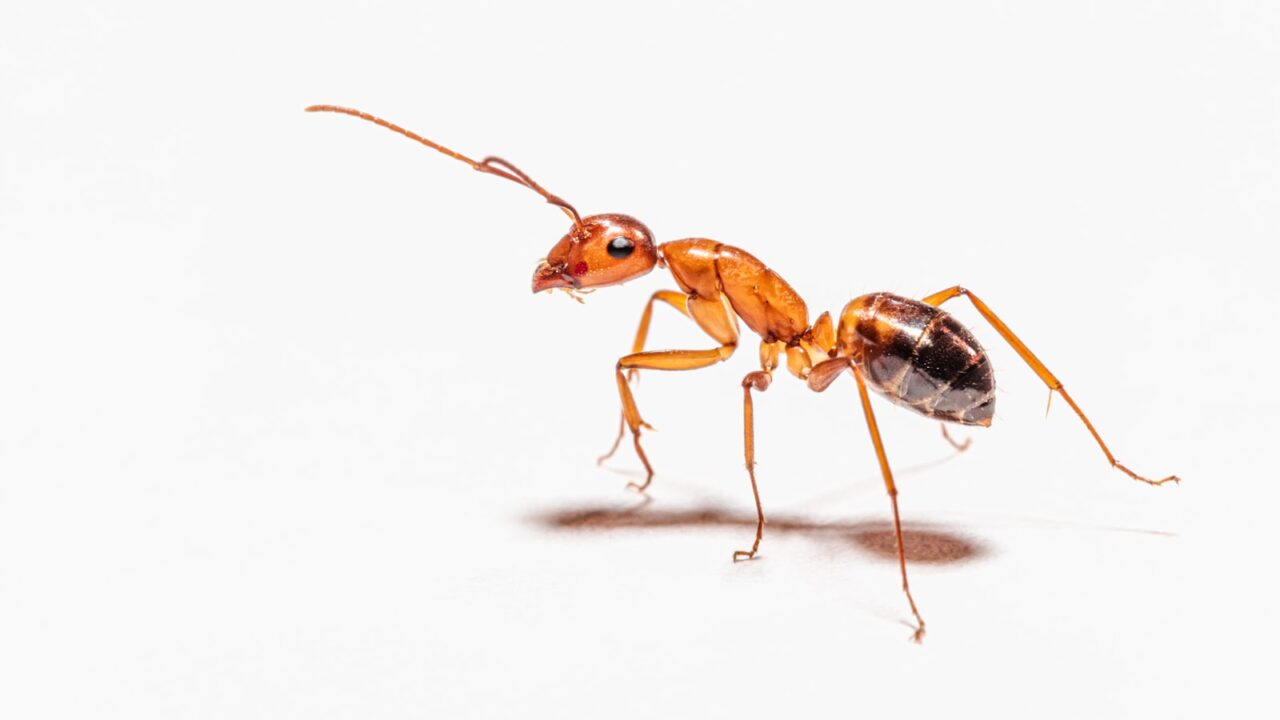
Vinegar is the most-recommended kitchen remedy for ants, so it’s fair to ask: does vinegar get rid of ants, or is it just a myth? The honest answer is that vinegar helps in one specific way — but it won’t eliminate the colony marching across your HDB kitchen counter. Here’s exactly what vinegar does, where it falls short, and what actually clears an ant problem in Singapore.
Does vinegar get rid of ants? The short answer
Vinegar does not get rid of ants in the sense of killing the colony. What it does is disrupt the scent trail ants use to navigate.
When ants find food, they lay down a chemical pheromone trail so others can follow. Wiping that path with a vinegar solution removes the smell, so the marching line breaks up and ants lose their way to the food — temporarily.
So vinegar is a useful *cleaner and trail-breaker*, not an insecticide. The ants outside your home are unaffected, and the queen keeps producing more workers.
What vinegar can and can’t do
It helps to be clear on the limits.
What vinegar can do:
- Erase pheromone trails on counters, skirting and floors.
- Clean up food residue that attracted ants in the first place.
- Send foraging ants searching elsewhere for a while.
What vinegar can’t do:
- Kill the nest or the queen.
- Stop ants entering through wall gaps and window frames.
- Provide any lasting barrier — once it dries, the smell is gone.
In Singapore’s warm climate, ants forage all year and nest in wall voids, planter boxes and behind tiles. Wiping trails alone means you’ll be wiping again tomorrow.
How to use vinegar against ants properly
Used sensibly, vinegar is a fine part of the routine — just not the whole solution.
- Mix equal parts white vinegar and water in a spray bottle.
- Spray and wipe visible ant trails and entry points.
- Clean up crumbs, spills and grease at the same time.
- Wipe down counters and store food in sealed containers.
- Repeat as new trails appear.
This keeps surfaces unattractive and breaks up scouting routes while you tackle the real fix below.
A word on strength: stronger vinegar smells more and lingers a little longer, but it still won’t kill ants beyond the few it directly soaks. And the smell fades within minutes to hours, so any “barrier” effect is short-lived. Don’t expect a vinegar line across a doorway to keep ants out for the day — it won’t.
What actually gets rid of ants
To clear an ant problem, you have to reach the colony — and that means bait, not spray.
Ant bait combines a slow-acting insecticide with something ants love to eat. Workers carry it back and feed it to the colony, including the queen, so the whole nest collapses over days.
- Place bait *along* the trails — don’t wipe those trails away first.
- Resist the urge to spray the ants you see; killing foragers leaves the colony intact.
- Be patient: expect more ants briefly as they swarm the bait, then a sharp drop.
Our guide to homemade ant traps and bait shows how to make a borax-sugar bait that targets the nest. For step-by-step prevention, see how to get rid of ants in Singapore.
Pair baiting with prevention to stop new trails forming:
- Store food — especially sweets and pet kibble — in airtight containers.
- Wipe up spills and crumbs promptly, particularly sugary ones.
- Fix dripping taps; ants seek water as well as food in our climate.
- Seal gaps around windows, pipes and skirting where ants enter.
Vinegar fits neatly into this routine as your everyday surface cleaner — it removes both the trail and the food residue that drew ants in the first place.
When to call a professional
DIY baiting handles most kitchen ant trails. But some situations need more:
- Recurring trails despite consistent baiting.
- Multiple nests or signs of a supercolony.
- Ants nesting inside walls, ceilings or electrical points.
- Biting species like fire ants near children or pets.
These spread quickly between units in HDB blocks and condos, so a neighbour’s nest can be your problem. A licensed technician can identify the species and treat the source directly. Learn more about professional ant control in Singapore if the trails keep coming back.
Other kitchen remedies people try
Vinegar isn’t the only pantry fix that gets recommended. Most work the same way — masking or cleaning rather than killing:
- Lemon juice: like vinegar, its acidity and scent can disrupt trails briefly, but it doesn’t reach the nest.
- Cinnamon, coffee grounds, chalk lines: mild deterrents at best; ants usually find a way around them.
- Peppermint or citrus oils: repel for a short while, then evaporate fast in Singapore’s heat.
If you want a natural approach that actually dents the colony, pair trail-cleaning with bait — see our natural ant repellent guide for what genuinely helps.
Why the ants are there in the first place
Vinegar treats the symptom; understanding the cause prevents repeat visits. Ants forage indoors when they find an easy food or water source, and Singapore’s climate keeps them active all year. The usual draws are sugary spills, unsealed snacks, pet kibble and damp under the sink. Tiny ants trailing along the counter often point to a nest in a wall void or planter nearby — our guides on why there are ants in your house and tiny ants in the kitchen explain the common culprits and how to shut them out.
Frequently asked questions
Does vinegar kill ants on contact?
What’s better than vinegar for ants?
Will vinegar keep ants away permanently?
Related guides
- How to get rid of ants in Singapore
- Homemade ant traps and bait
- Natural ant repellent
- Why are there ants in my house
- Types of ants in Singapore
So, does vinegar get rid of ants? It clears their trails and keeps surfaces clean, but the colony stays put. Pair vinegar with proper baiting — and professional help when needed — for results that last.
*Ants keep returning no matter what you wipe? Get a free quote for professional ant control in Singapore today.*