How to Avoid Bringing Bed Bugs Home From Travel
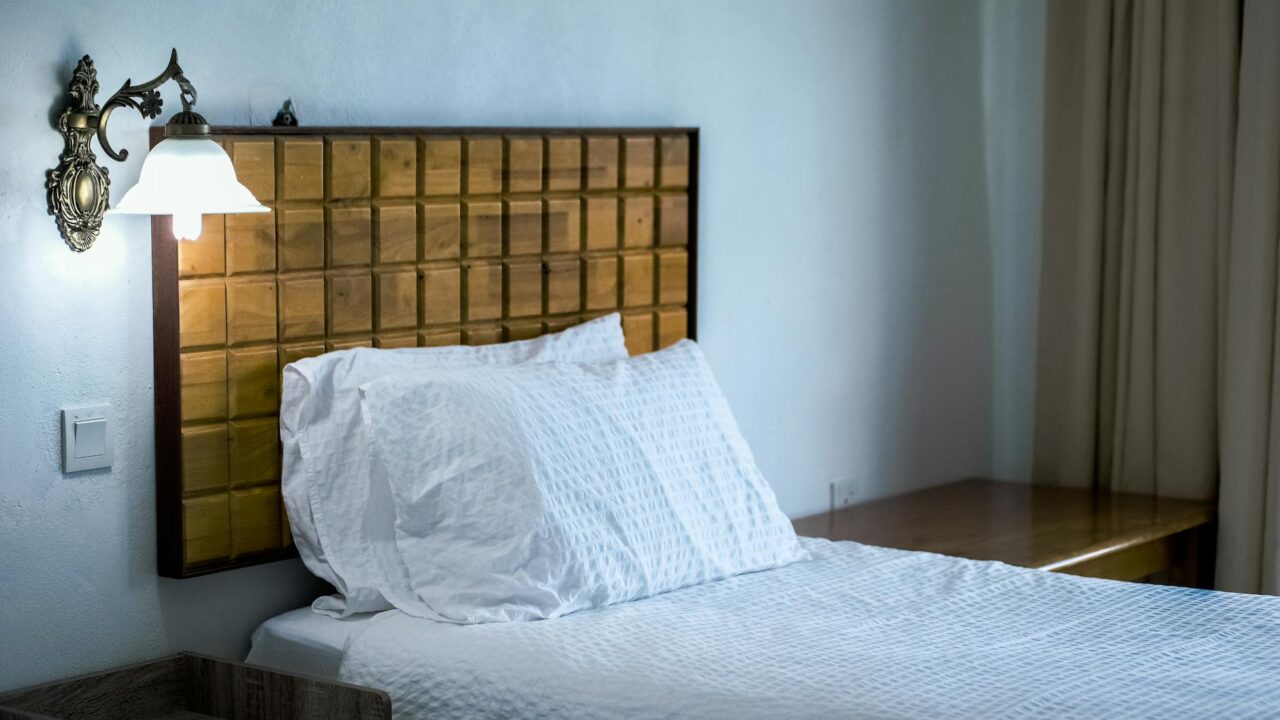
Bed bugs in hotels are one of the most common ways an infestation makes its way into a Singapore home. They don’t care about star ratings — a clean, expensive room can still have them, because they arrive on the belongings of previous guests. The good news is that a few simple habits when you travel will dramatically lower the chance of carrying them back.
Why Bed Bugs Turn Up in Hotels
Hotels see a constant flow of guests and luggage, which makes them prime spots for bed bugs to be dropped off and picked up. A room can look spotless and still harbour bugs in mattress seams, headboards or behind skirting. This isn’t a cleanliness issue — it’s a traffic issue, and even good hotels can be affected.
Because bed bugs are hitchhikers that can’t fly or jump, the risk to you is simple: if they crawl into your luggage, they ride home and start breeding.
How to Check a Hotel Room
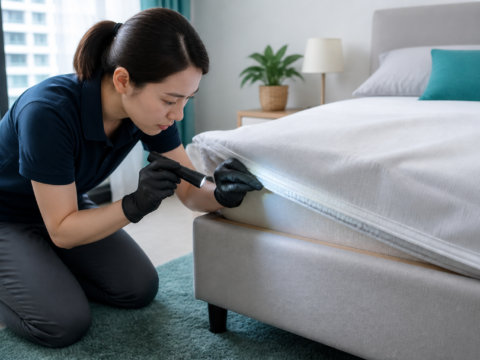
Spend two minutes on arrival, before you unpack. Look for the classic signs of bed bugs in hotels:
- Pull back the sheets and inspect the mattress seams and corners.
- Check the headboard, bed frame joints and the area behind the bed where bugs hide.
- Look for evidence: tiny dark spots (droppings), small blood smears, shed skins, or live bugs (flat, reddish-brown, apple-seed sized).
- Inspect the sofa or any upholstered chair in the room.
If you find signs, ask to change rooms — ideally to one not directly adjacent — or change hotels.
For a step-by-step inspection method you can also use at home, see our guide on how to check for bed bugs.
Protect Your Luggage While You Travel
Even in a clean room, treat your luggage as the thing to protect:
- Keep bags off the bed and floor. Use the luggage rack (check it first) or a hard surface like the bathroom counter or desk.
- Keep your suitcase zipped when you’re not using it.
- Avoid storing clothes in dressers — bugs can hide there. Keep clothing in your closed bag.
- Hang clothes rather than draping them on upholstered furniture.
These habits make it far harder for bed bugs in hotels to climb aboard.
What to Do When You Get Home
The moment you return is when prevention pays off:
- Unpack on a hard floor, not on your bed or carpet, ideally in the bathroom or balcony.
- Hot-wash and tumble-dry travel clothes on the highest safe heat — heat kills bed bugs at all stages.
- Inspect the suitcase seams, pockets and zips, and vacuum it out if you have any concern.
- Store luggage away from the bedroom, such as in a store or bomb shelter, not under the bed.
This routine is your last line of defence against carrying bugs from a hotel into your bedroom. Our guide on where bed bugs come from covers the other common entry routes too.
What If You’ve Brought Them Home?
If, despite precautions, you start finding live bugs, dark spotting on your bedding, or itchy bites in a line a few weeks after a trip, you may have brought bed bugs home. Don’t panic — but don’t wait, either. They breed fast in Singapore’s warm climate, and DIY sprays rarely reach every bug and egg.
Professional bed bug treatment in Singapore inspects all the hiding spots and treats adults and eggs together, clearing the problem before it spreads through the home.
A Quick Pre-Travel and Post-Travel Checklist
Keep this simple routine in mind for every trip:
On arrival at the hotel: – Inspect mattress seams, headboard and bed frame before unpacking. – Keep luggage on a hard surface or rack, not the bed or floor. – Keep your suitcase zipped when not in use.
When you get home: – Unpack on a hard floor, ideally the bathroom or balcony. – Hot-wash and tumble-dry travel clothes on the highest safe heat. – Vacuum and inspect the suitcase, then store it away from the bedroom.
Two minutes of checking at each end is far less hassle than treating an infestation later. Build it into your travel habits and the risk drops sharply.
When to Call a Professional
Call for help if you find live bed bugs or repeated signs after travel. Caught early — within days or weeks of arriving home — an infestation is much smaller, quicker and cheaper to treat than one that’s had months to grow.
What Bed Bug Evidence Looks Like in a Room
Knowing exactly what to look for turns your two-minute hotel check from guesswork into a real inspection. The signs are the same whether you’re in a hotel or at home:
- Live bugs — flat, reddish-brown and about apple-seed sized; younger nymphs are smaller and paler.
- Dark spotting — tiny black or rust-coloured dots (digested blood) along mattress seams, on the box spring and near the headboard.
- Small blood smears — faint reddish marks on sheets where a fed bug was crushed.
- Shed skins — pale, empty casings left behind as nymphs moult, often tucked into seams and joints.
A torch (your phone works) makes these much easier to spot. Run through the early signs of bed bugs before a big trip so the checklist is fresh in your mind. Remember that bed bugs can’t fly or jump — they reach your luggage by crawling, which is exactly why keeping bags off the bed and floor works.
Frequently asked questions
Do only cheap hotels get bed bugs?
Where’s the safest place to put my suitcase?
Should I really wash everything when I get home?
How soon after a trip would bites appear?
Related guides
- Where do bed bugs come from?
- How to check for bed bugs
- Early signs of bed bugs
- How to prevent bed bugs
- How to get rid of bed bugs
*Brought something back from your trip? Get a free assessment and professional bed bug treatment in Singapore.*