Can Bed Bugs Fly or Jump? (How They Really Travel)
It’s a common worry: if bed bugs can’t fly, how do they manage to spread through a home — or jump from a hotel to your house? The short answer to “can bed bugs fly” is no. They also can’t jump. Yet they spread remarkably well, and understanding *how* they actually travel is the key to stopping them.
Can Bed Bugs Fly or Jump?
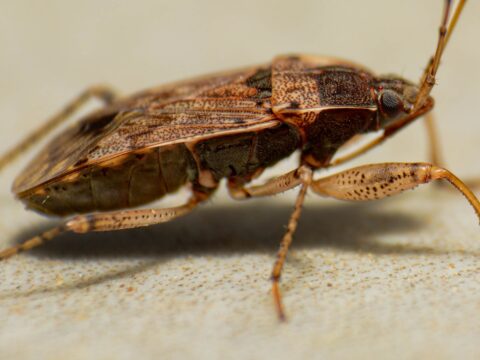
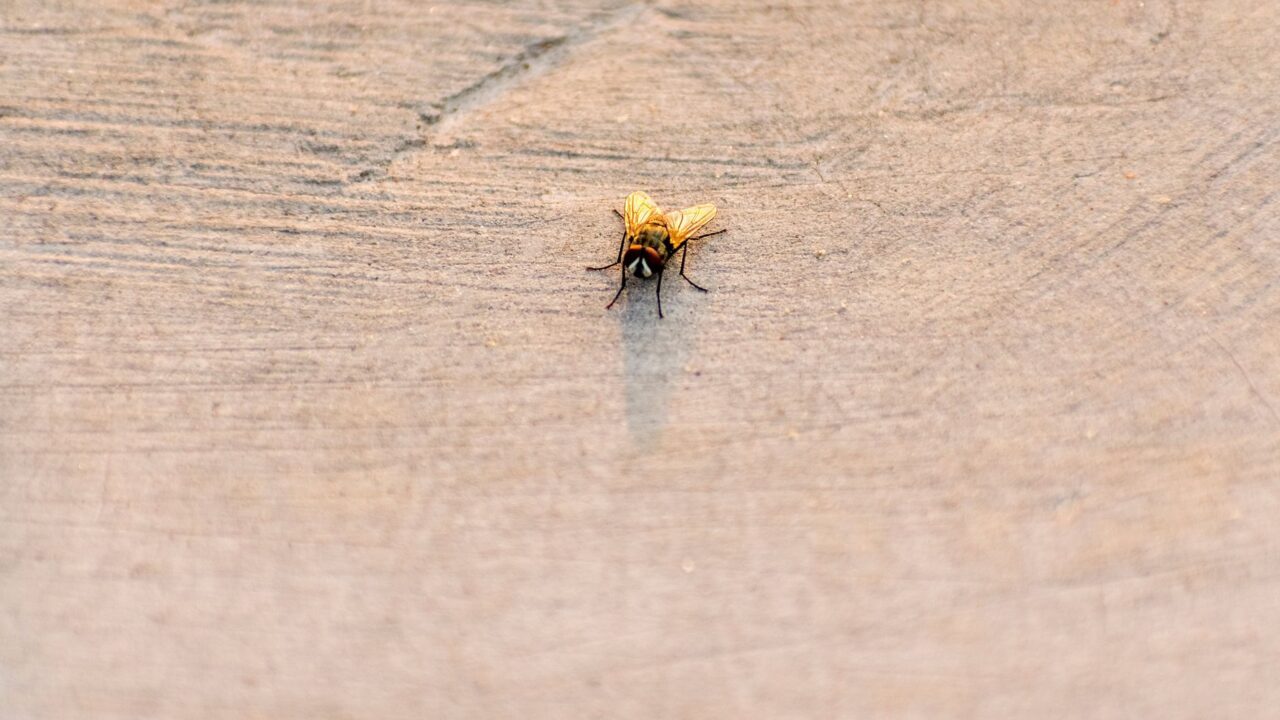
No to both. Bed bugs cannot fly — they have no functional wings, only small wing pads, so flight is impossible. This sets them apart from mosquitoes and flies, which is useful when you’re trying to work out what’s biting you at night. Because they can’t fly, bed bugs can’t suddenly appear from outdoors or drift in through a window the way mosquitoes do. They have to be carried in or crawl in.
They can’t jump either. Unlike fleas, bed bugs aren’t built to leap onto a host. If you see an insect springing away when disturbed, it’s more likely a flea than a bed bug. So bed bugs neither fly nor jump — which raises the obvious question of how they get around so effectively.
How Bed Bugs Actually Travel
Bed bugs are crawlers and, above all, hitchhikers. They move in two main ways:
- Crawling — they walk surprisingly quickly across floors, walls and furniture to reach a sleeping host, then back to their hiding spot.
- Hitchhiking — this is how they cover long distances. They cling to luggage, bags, clothing, bedding and second-hand furniture and get carried from place to place.
So a bed bug doesn’t leap from the hotel bed onto you — it crawls into your suitcase or clothing and rides home. Inside your house, it crawls from the bed to the headboard, skirting and adjoining rooms.
Why They Spread So Fast Without Flying
Despite being grounded, bed bugs spread quickly because:
- People unknowingly move them — luggage after travel, a used sofa, a guest’s bag.
- They breed fast in Singapore’s warm indoor temperatures, so a few hitchhikers become many.
- They hide in seams and crevices, so they travel undetected.
- Moving infested items between rooms gives them a free ride deeper into the home.
In other words, *we* are their transport. That’s why the question isn’t really “can bed bugs fly” but “what did I carry them in on?” Our guide on where bed bugs come from covers the common routes.
How to Stop Them Spreading
Since they travel by crawling and hitchhiking, prevention targets exactly that:
- Contain, don’t relocate. Never drag an infested mattress or bag through the house — you’ll spread bugs along the way.
- Inspect second-hand furniture before bringing it in.
- Be travel-smart. Keep luggage off hotel beds and floors, and unpack onto a hard floor at home, then hot-wash travel clothes.
- Reduce hiding spots. Declutter bedrooms so bugs have fewer crevices to crawl into and harder routes to spread.
- Act early. The fewer bugs there are, the less they spread.
What If They’re Already Spreading?
If bed bugs have moved beyond the bed — into the headboard, skirting or a second room — the infestation is established and DIY sprays usually can’t reach every crawling bug and egg. Because they spread by crawling into so many crevices, treatment must be thorough.
Professional bed bug treatment in Singapore inspects all the harbourage points and treats adults and eggs together, stopping the spread that DIY efforts tend to miss.
What People Confuse With Bed Bugs
Because bed bugs can’t fly or jump, an insect that does either is probably something else. Quick comparisons:
- Fleas — jump impressively and tend to bite around the ankles; common where pets are kept.
- Mosquitoes — fly and buzz; bites are usually single, puffy and on exposed skin.
- Carpet beetles — can fly and are sometimes mistaken for bed bugs, but they don’t bite (their larvae can cause skin irritation in some people).
- Booklice or other tiny crawlers — harmless, but easy to misidentify in a panic.
If the insect you saw flew or sprang away, take a breath — it may not be a bed bug at all. Confirm with the physical signs before assuming the worst.
When to Call a Professional
Call for help if you’re finding bugs or droppings in more than one spot, or bites keep recurring. The fact that bed bugs can’t fly is good news — it means containment and proper treatment really can stop them, as long as you act before they crawl their way through the whole home.
Why “Can’t Fly” Is Actually Good News
The fact that bed bugs can’t fly or jump is genuinely reassuring once you understand what it means for control. Because they can only crawl and hitchhike, you have real leverage over how they spread:
- They can’t ambush you from the air. Unlike mosquitoes, they won’t drift in through an open window — so screening windows, while useful for other pests, isn’t what stops bed bugs.
- Containment actually works. Since they spread by being carried, simply not moving infested items between rooms goes a long way to limiting the problem.
- Interceptors can catch them. Because they have to climb up the bed legs to reach you, devices placed under the legs can intercept and monitor them — a trick that wouldn’t work on a flying pest.
In other words, their grounded biology is a weakness you can exploit. Pair that with knowing where bed bugs come from and you can cut off the routes they rely on.
Frequently asked questions
If they can’t fly, how did they reach my upstairs bedroom?
The insect I saw flew away — was it a bed bug?
Can bed bugs jump onto me from the floor?
Do bed bugs travel between flats?
Related guides
- Where do bed bugs come from?
- Bed bug bites vs mosquito bites
- How to check for bed bugs
- How to prevent bed bugs
- How to get rid of bed bugs
*Bed bugs spreading room to room? Stop them with professional bed bug treatment in Singapore.*