Best Ant Killer in Singapore: Gels, Baits & Sprays
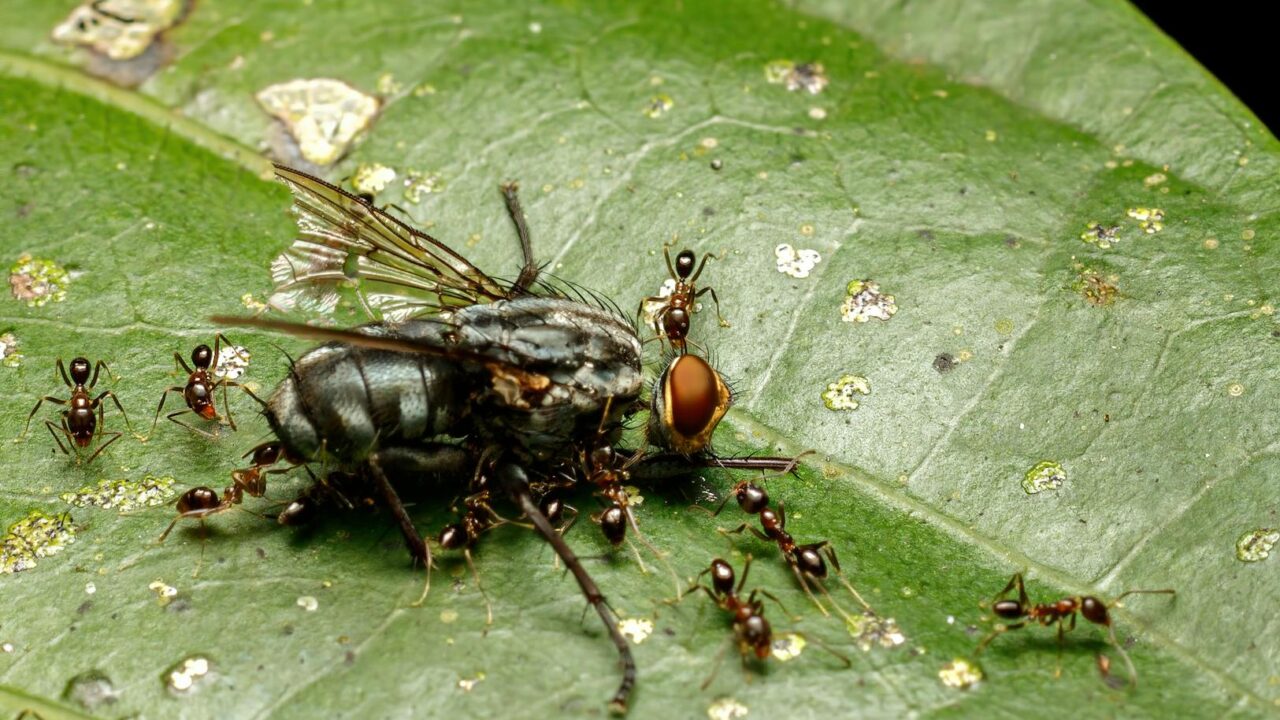
Wiping out a trail of ants feels satisfying, but they’re back the next morning — because the colony is untouched. The best ant killer in Singapore is the one that reaches the nest, not just the ants you see marching across the counter. This guide compares baits, gels and sprays so you can clear ants properly in your HDB flat or condo.
Why killing the trail never works
The ants you see are workers, a tiny fraction of the colony. Behind them sit the queen and brood, hidden in a wall void, under tiles or outdoors. Spray the trail and you kill a few foragers; the queen keeps producing more.
To actually clear ants, you need a slow-acting bait that workers carry back and share with the colony — including the queen. That’s why bait, not spray, is the foundation of the best ant killer approach.
Ant killer types compared
| Type | How it works | Best for | Limitation |
|---|---|---|---|
| Gel/liquid bait | Workers carry it to the nest | Most household ant problems | Takes days to weeks; be patient |
| Bait stations | Enclosed bait | Homes with kids/pets | Slower; needs correct placement |
| Granular bait | Outdoor/perimeter nests | Gardens, planters, corridors | Less suited to indoor counters |
| Contact spray | Kills on contact | The odd visible ant | Doesn’t reach nest; can split colonies |
For kitchens and indoor trails, a sweet or protein-based bait matched to the ants’ current preference is usually the best ant killer in Singapore. Sprays are best reserved for the occasional stray.
How to bait the right way
- Stop cleaning the trail. You need the trail intact so ants find and share the bait.
- Place bait on the trail and near entry points, not where you want ants to avoid.
- Don’t spray near bait — repellent sprays scare ants off it.
- Be patient. It can take days to weeks to reach the queen. A surge in ants at first is normal — they’re feeding.
- Switch bait type if they ignore it; ants shift between sweet and protein preferences.
Identifying the species helps — pharaoh ants, for instance, can “bud” into more colonies if sprayed. See common ants in Singapore homes to match your approach.
Safety with children and pets
- Prefer enclosed bait stations in reachable areas.
- Place gel in cracks and corners out of reach.
- Keep products in original packaging and follow the label.
Remove what attracts them
Even the best ant killer won’t keep ants away if food and water remain easy to reach:
- Wipe up crumbs and spills, especially anything sweet or greasy.
- Store food in sealed containers; clear the dish rack of standing water.
- Take out the bin regularly and rinse recyclables.
- Seal gaps around pipes, windows and skirting where ants enter — a window insect screen helps block one route in.
Our guide on how to get rid of ants permanently covers prevention in full.
Sweet vs protein: matching bait to the ants
One reason the “best ant killer” seems to fail is that the ants simply aren’t interested in the bait on offer. Ants shift what they crave depending on the colony’s needs at the time:
- Sweet (sugar-based) baits appeal when ants are foraging for carbohydrates — common with the tiny “sugar ants” trailing across kitchen counters.
- Protein or grease-based baits appeal when the colony is rearing brood and needs protein.
If a bait is ignored after a day or two, switch to the other type. You can even put out a small dab of each and watch which one the ants flock to, then commit to that. Matching the bait to their current appetite is often the difference between a bait that clears the colony and one that sits untouched.
Natural and homemade ant options
If you’d rather start low-toxicity, a couple of approaches help with small trails:
- Borax sugar bait — a homemade sweet bait that workers carry back, similar in principle to shop gels. See homemade ant traps and bait.
- Disrupting the trail scent — wiping surfaces with a vinegar solution removes the pheromone trail temporarily, though it won’t clear the colony. Our note on does vinegar get rid of ants sets realistic expectations.
- Sealing and drying — many kitchen ants are after water and sweet residue, so fixing both removes the draw.
These pair well with proper baiting rather than replacing it: the bait clears the colony while sanitation stops the next one moving in.
When to call a professional
DIY baiting clears most kitchen ant trails. But call in help if ants keep returning despite correct baiting, you have multiple colonies, or you suspect carpenter ants damaging timber. Professional ant control can identify the species, locate nests and treat them at the source — useful in HDB blocks where colonies span units.
Frequently asked questions
Why do the ants ignore my bait?
Should I keep wiping the trail away?
Why do ants keep coming back to my kitchen?
Are ant baits safe around children and pets?
Related guides
- Types of ants in Singapore
- How to get rid of ants permanently
- Homemade ant traps and bait
- Best ant traps and bait stations
- Tiny ants in the kitchen
*Ants won’t take the hint? Get a free ant control quote from Insect Out.*