Pest Control for Condos & MCST in Singapore
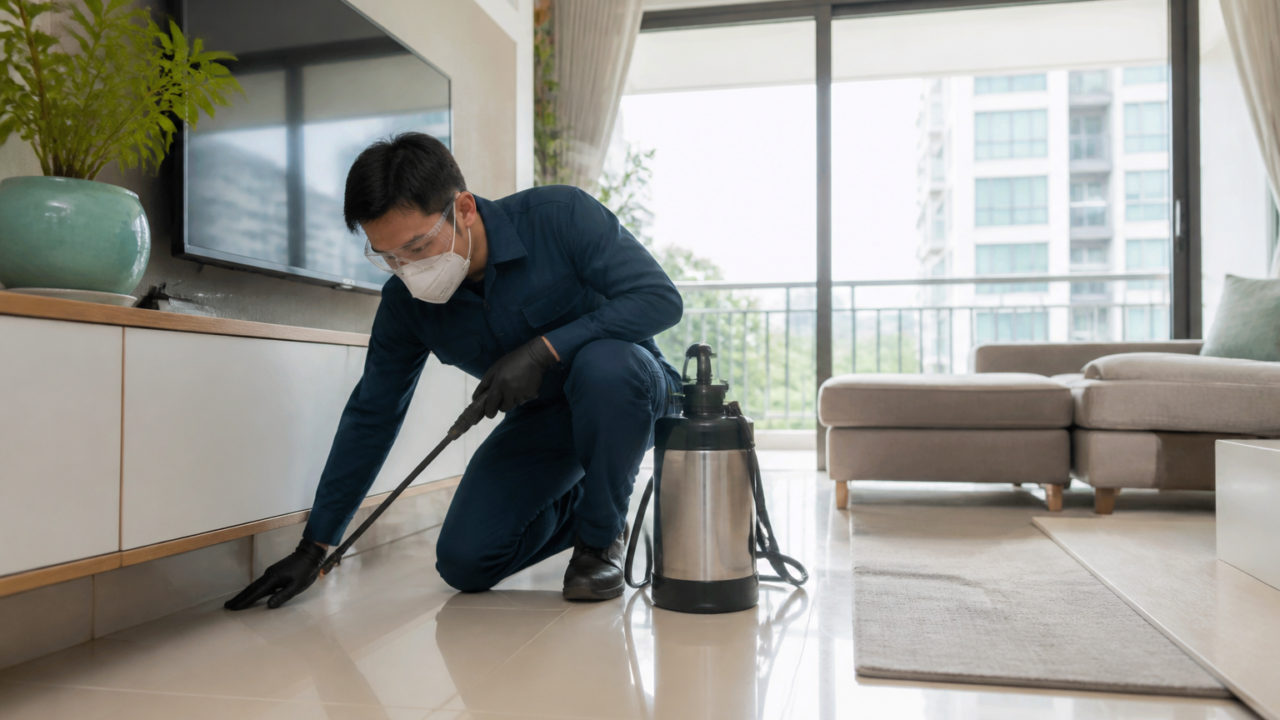
In a condo, a pest problem is rarely just yours. Roaches travel through risers, rodents use common drains, and mosquitoes breed in shared landscaping — which is why condo pest control Singapore wide is split between the MCST’s responsibility for common areas and each resident’s responsibility inside their unit. This guide explains how that division works and what you can do at both levels.
How condo pest control Singapore responsibility is split
Most condominiums are managed by an MCST (Management Corporation Strata Title), usually through a managing agent. In general:
- Common areas — corridors, lift lobbies, basement carparks, refuse rooms, drains, landscaping and shared services are the MCST’s responsibility, typically covered by a building-wide pest control contract.
- Inside your unit — the area within your strata boundary is the owner’s or tenant’s responsibility.
This matters because many pest issues straddle both. A cockroach problem in your kitchen may be fed by a shared riser; a rodent in your ceiling may be travelling through common voids. Effective condo pest control in Singapore usually means coordination between the two.
What the MCST typically handles
A well-run development engages a contractor for scheduled service across shared spaces. Common scope includes:
- Routine treatment of refuse rooms, bin centres and basement carparks.
- Drain and gully treatment for cockroaches and mosquitoes.
- Rodent baiting stations in common areas and perimeters.
- Mosquito source reduction across landscaping and water features.
Residents can ask the managing agent about the schedule, scope and frequency — and raise recurring issues so they get logged and acted on.
Mosquitoes: a shared priority
Landscaped grounds, water features, plant trays and clogged drains make condos prime Aedes breeding sites, and dengue clusters can form quickly in dense developments. MCSTs should run regular source reduction in line with NEA’s Mozzie Wipeout, and residents must do their part on balconies and in plant pots.
Where pressure is high, professional mosquito control adds larviciding and targeted fogging around the grounds. Inside your unit, screening and clearing standing water are the most effective steps you control directly.
What residents can do in their own unit
Even with a strong building contract, your unit needs its own basics:
- Keep the kitchen clean and store food in sealed containers.
- Clear standing water from plant trays, balconies and the aircon tray.
- Seal gaps around pipes and under doors, and fit door sweeps.
- Empty bins regularly and keep the refuse chute area (if any) clean.
- Report common-area issues to the managing agent early.
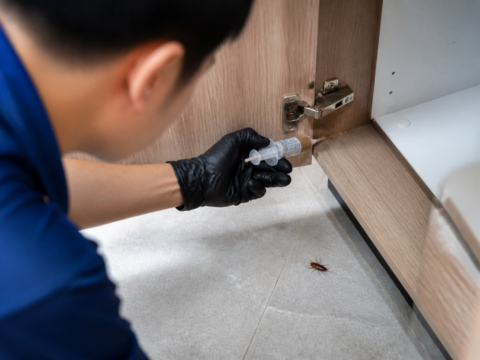
If pests persist despite a clean unit, you may need your own professional pest control treatment, especially for cockroaches or ants concentrated inside your home.
When to escalate
Call for help — or push the MCST to act — when you notice:
| Sign | Likely action |
|---|---|
| Daytime cockroaches | Unit treatment + check shared risers |
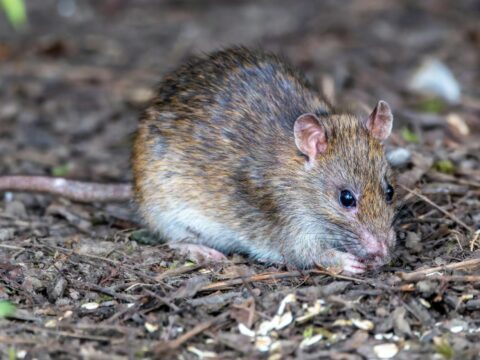
| Rodent noise in ceiling | MCST treatment of common voids |
| Mosquitoes despite a clean balcony | MCST source reduction on grounds |
| Repeat problems building-wide | Review the building contract scope |
Persistent, development-wide problems usually point to a gap in the common-area programme that residents should raise collectively.
Working with your managing agent
Because so much of the work happens in common areas, your managing agent is your main point of contact for anything beyond your front door. To get results:
- Report issues in writing so they are logged and traceable.
- Ask for the scope and schedule of the existing common-area contract.
- Flag patterns — if several units on a stack report the same pest, say so.
- Raise persistent problems at the AGM or through the council if routine reports are not resolving them.
A responsive managing agent will treat recurring complaints as a sign the contract scope or frequency needs reviewing, rather than handling each report in isolation.
High-floor units are not immune
A common assumption is that living high up keeps you safe. It helps with some pests, but it is far from a guarantee. Cockroaches and rodents travel vertically through cable risers, refuse chutes and service ducts, so a unit on a high floor can still inherit a problem that started in the bin centre or a neighbour’s kitchen. Mosquitoes can breed in the aircon condensate tray and roof-level planters regardless of storey. The practical takeaway: keep your own basics tight no matter how high you are, and fit insect mesh on openable windows and the balcony door — screening is one of the few barriers that works the same on the 3rd floor and the 30th.
Renting in a condo: who does what
Tenants often get stuck in the middle. As a general guide, the MCST handles common areas, the owner is responsible for the unit’s condition, and day-to-day tenancy issues fall under your lease. If pests appear inside a unit you rent:
- Check your tenancy agreement — it usually states who handles pest treatment within the unit.
- Report common-area issues (chutes, corridors, basement, landscaping) to the managing agent yourself, as these are not the landlord’s to fix.
- Keep written records of what you reported and when, so responsibility is clear if the problem persists.
For a contained in-unit issue, deciding between a single visit and ongoing cover is the same calculation any home faces — our one-time vs contract pest control guide walks through it.
Frequently asked questions
Is pest control the MCST’s job or mine?
I’m high up — do I still get pests?
The whole stack has the same pest — what now?
Can I just treat my own unit?
Related guides
- Mosquito control in Singapore
- Condo insect screens
- Pest control for landed homes
- Office pest control in Singapore
- Keeping pests out of the rubbish chute
- How to prevent mosquito breeding
Getting condo pest control right
The condos that stay comfortable combine an active MCST contract for shared spaces with residents who keep their own units clean and report issues early. When both halves work, problems get solved at the source instead of bouncing between units.
If your unit needs treatment or your MCST is reviewing its programme, contact us for a free quote and we will scope the right approach.
*Solve shared and in-unit problems with coordinated condo pest control in Singapore — request a free quote.*